Zimbabwe has had laws banning thin plastic packaging and polystyrene containers since 2010, but plastic waste has grown by 50 000 tonnes in that time.
By Macdonald Mudzaki
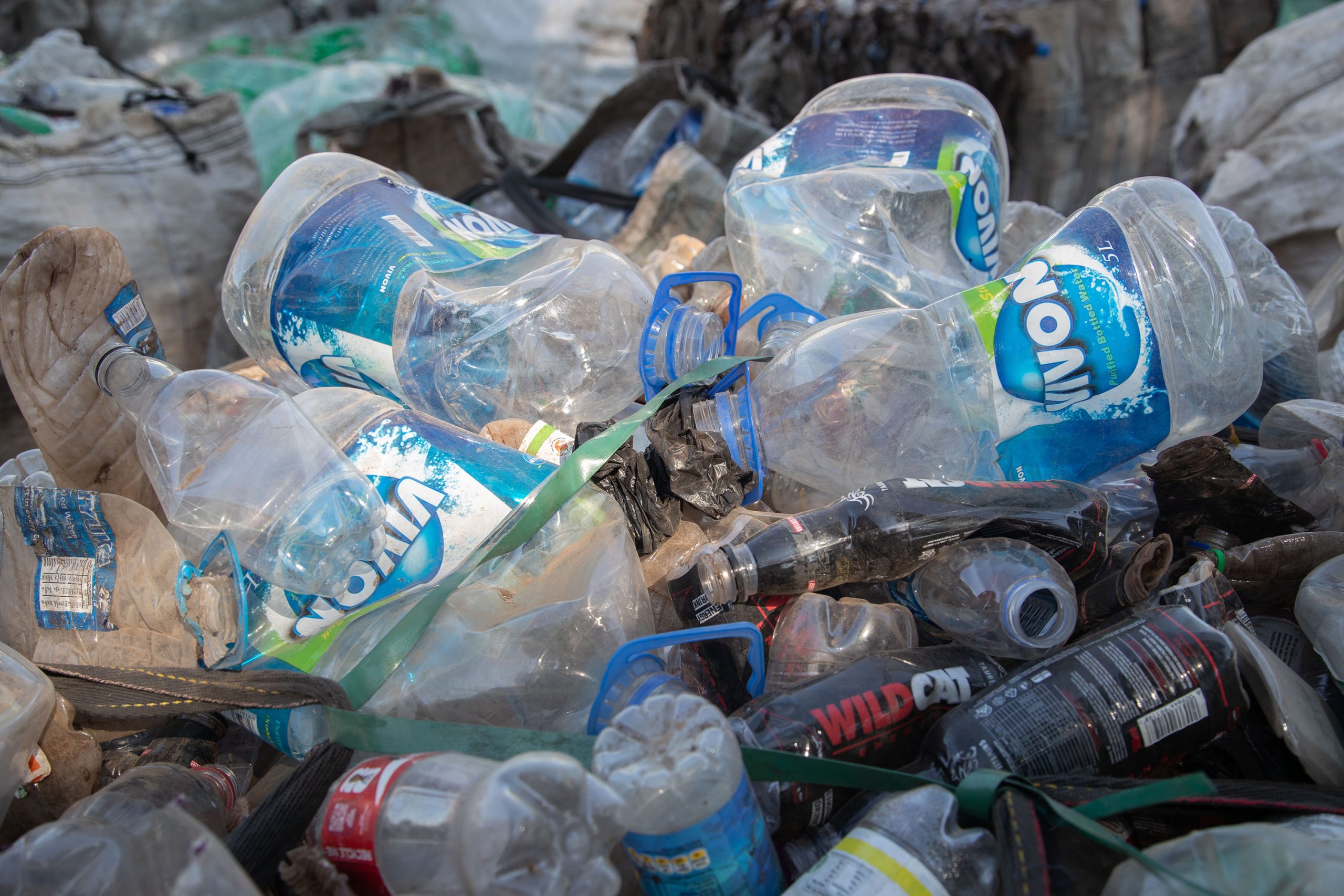
Of the estimated 1.6 billion plastic containers placed on Zimbabwe’s market every year, only 7.1% is formally recovered, according to PetrecoZim, an industry-led post-consumer producer recovery initiative.
This generally puts into greater perspective Zimbabwe’s plastic waste output, which annually stood at 297 000 tonnes in 2010 and 342 000 tonnes today, according to a joint University of Zimbabwe and United Nations study.
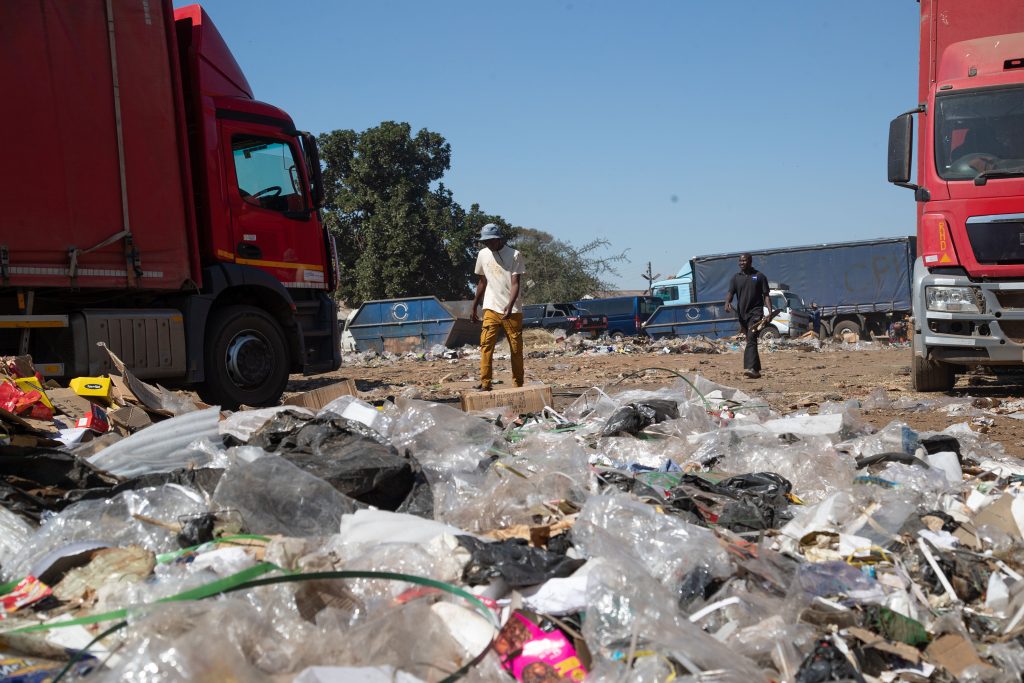
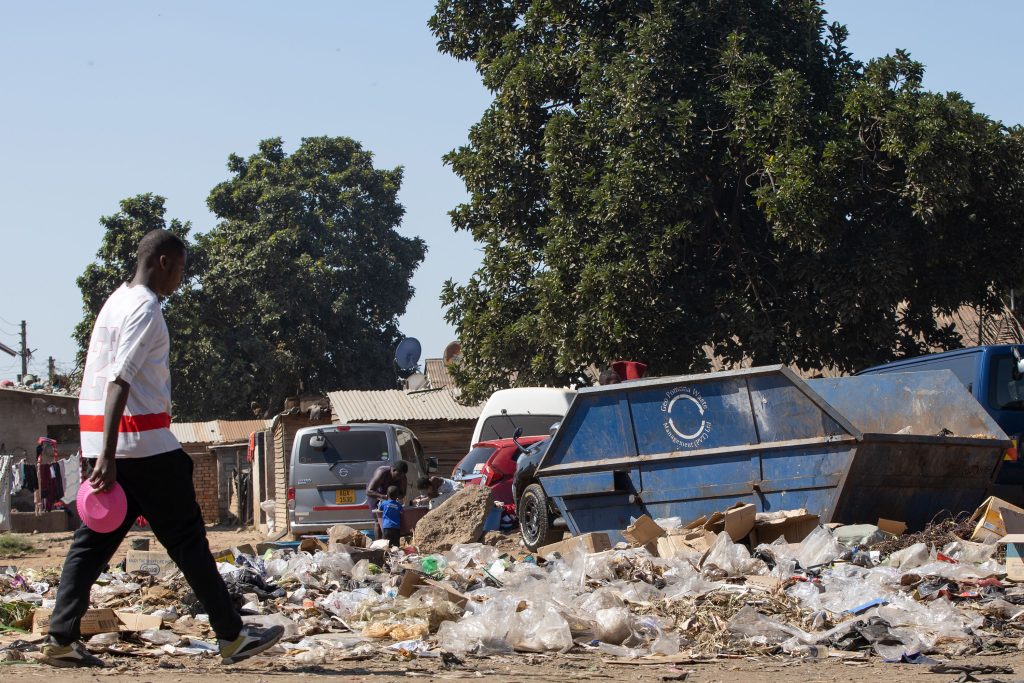
A rapidly urbanising population; swelled by climate-induced migration from rural areas where livelihoods are collapsing; a consumer economy that has embedded plastic into the fabric of daily life, and local authorities too financially strained to sustain basic refuse collection have combined to produce a waste burden that has outpaced every regulatory intervention.

Against that backdrop, the laws were supposed to intervene, but they have not. This investigation found two distinct regulatory failures: the non-enforcement of bans on thin plastics and polystyrene that have been law since 2010, and the absence of any legally binding framework compelling producers to recover the plastic waste they generate. At the centre of both failures sits the Environmental Management Agency (EMA), the country’s environmental regulatory body.
What the Law Says
Zimbabwe’s plastic regulatory framework rests on two statutory instruments, a form of secondary legislation used to bring an Act of Parliament into force or alter existing laws.
Statutory Instrument 98 of 2010 Prohibited the manufacture, importation, and distribution of plastic packaging with a wall thickness of less than 30 micrometres unless it was biodegradable.
Statutory Instrument 84 of 2012 Strengthened the framework. Section 3(1) re-asserted the ban on thin plastics. Section 3(2) prohibited polystyrene packaging outright (the white foam material used in takeaway containers, meat trays, and disposable cups). Section 3(3) required polystyrene users to take responsibility for recycling the material they manufacture and sell.
To understand what that 30-micrometre threshold means in practice: a standard supermarket carrier bag; the thin, crinkly kind that tears easily and goes translucent when held to light; typically measures between 20 and 25 micrometres. A heavier reusable bag or bin liner sits above 30 micrometres. If you can see your hand through a bag when you hold it to the light, it is almost certainly banned.
Most significantly, Section 6 introduced a provision titled Responsibility of Producers, which states that any establishment producing, distributing, importing, transporting, recovering, or generating plastic waste must take all available measures for prevention, reuse, recycling, recovery, and disposal at EMA-registered facilities. Any responsible party who willfully neglects those duties is guilty of an offence liable to a fine, imprisonment for up to one year, or both.
On paper, the regulations are robust. On the ground, they have been dead letters for 15 years.
The Ban That Remains Unenforced
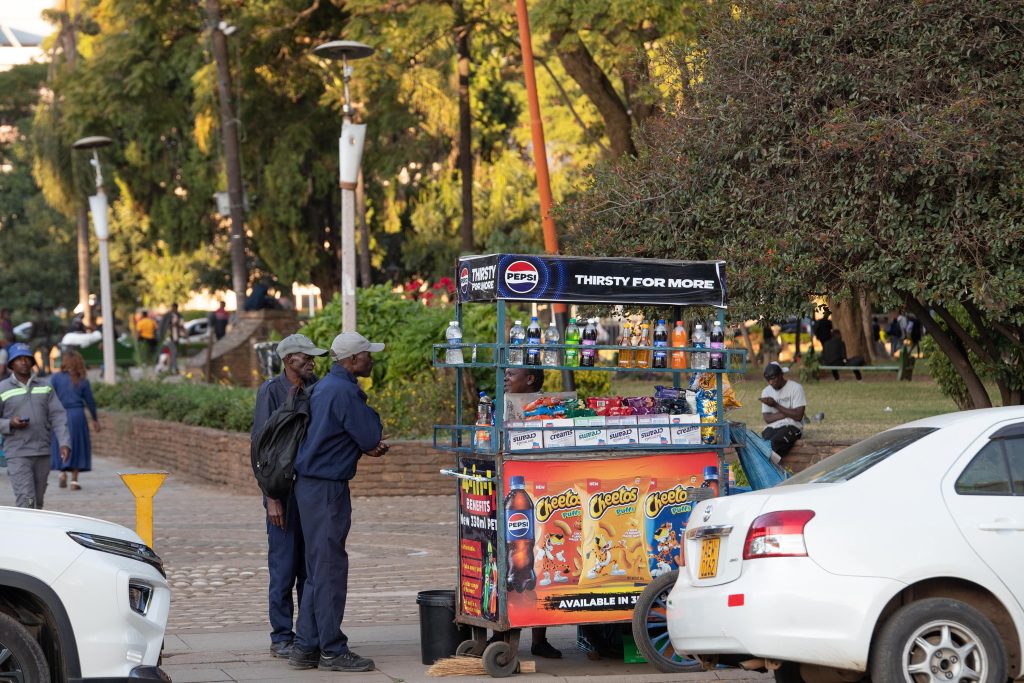
During visits to markets across Zimbabwe, this reporter found thin plastic bags and polystyrene food containers openly and commercially available despite their prohibition under Zimbabwean law.
EMA is the designated enforcement authority. Under Section 37 of the Environmental Management Act, inspectors may enter premises without a warrant, seize prohibited materials, issue compliance orders, and refer offenders for prosecution. Premises may even be closed for up to three weeks for non-compliance.
EMA has powers under Section 37 to seize prohibited products and refer violations for prosecution. Why have there been zero manufacturer prosecutions for producing or distributing plastic packaging banned under SI 84 of 2012 or its predecessor?
This question was posed to EMA’s environmental education and publicity manager, Amkela Sidange, who chose to skirt over it. Sidange spoke instead about Extended Producer Responsibility (EPR), a post-consumer recovery framework entirely separate from the manufacturing ban.
Extended Producer Responsibility is currently a voluntary best practice rather than a statutory requirement, she said.
Pressed specifically on prosecutions for banned thin plastics and polystyrene, she responded: Zero prosecutions or fines have been executed specifically for PET recovery non-compliance, as post-consumer PET recovery targets are not yet codified into mandatory regulations.
The ban on manufacturing and selling thin plastics and polystyrene has been law since 2010. Generally, EMA claims that seizures and fines have been conducted over the past 24 months, but provided no names, dates, locations, quantities, or fine values. The agency also failed to confirm whether any producer has ever filed the waste prevention targets required under Section 6 of SI 84 of 2012, a mandatory legal obligation. Follow-up questions submitted to the agency on June 15, 2026, went unanswered.
The enforcement gap is sharpened by a direct contradiction in EMA’s own public record. In March 2021, EMA Director of Environmental Protection Christopher Mushava told an international meeting convened by the United Nations Environment Programme; attended by the Basel Convention secretariat and the Norwegian Retailers’ Environment Fund, that the plastic ban had achieved a reduction in thin plastic and polystyrene use of more than 95%.
Five years later, EMA confirmed in writing that zero manufacturers had been prosecuted, and markets across Zimbabwe carry the banned products openly. EMA did not reply when asked to reconcile these two figures.
A Recovery System the Law Never Required
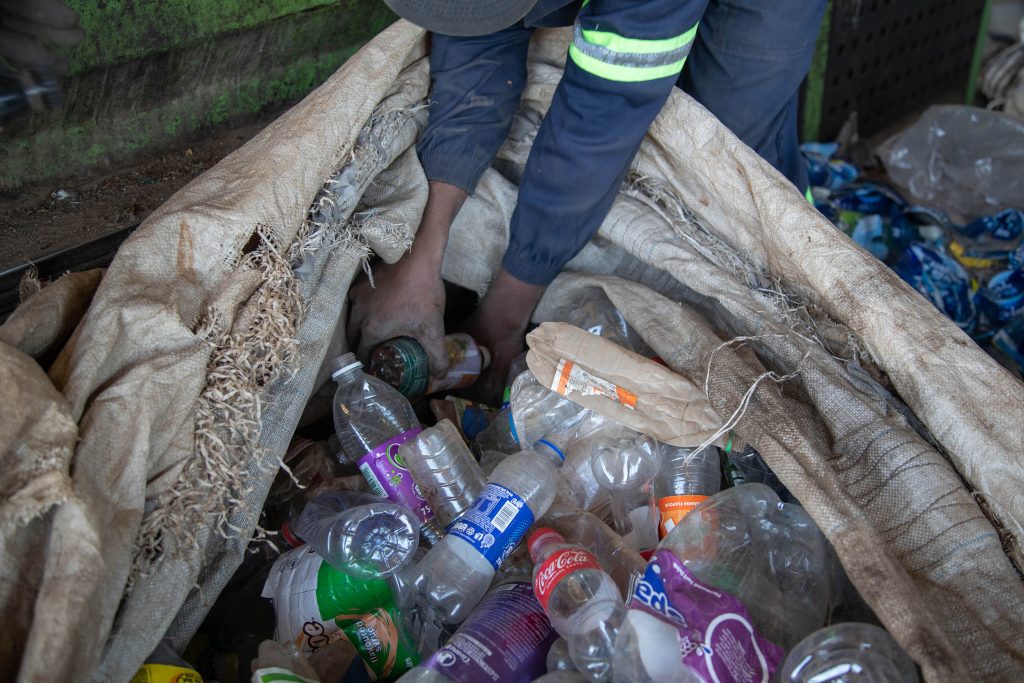
Unlike thin carrier bags and polystyrene, polyethylene terephthalate (PET) plastic is not the target of an outright ban. PET is the clear, rigid material used in water bottles, soft drink bottles, and cooking oil containers. It is one of the most recyclable plastics in commercial use, and it is also one of the most visibly accumulated in Zimbabwe’s waterways, roadsides, and open dumpsites.
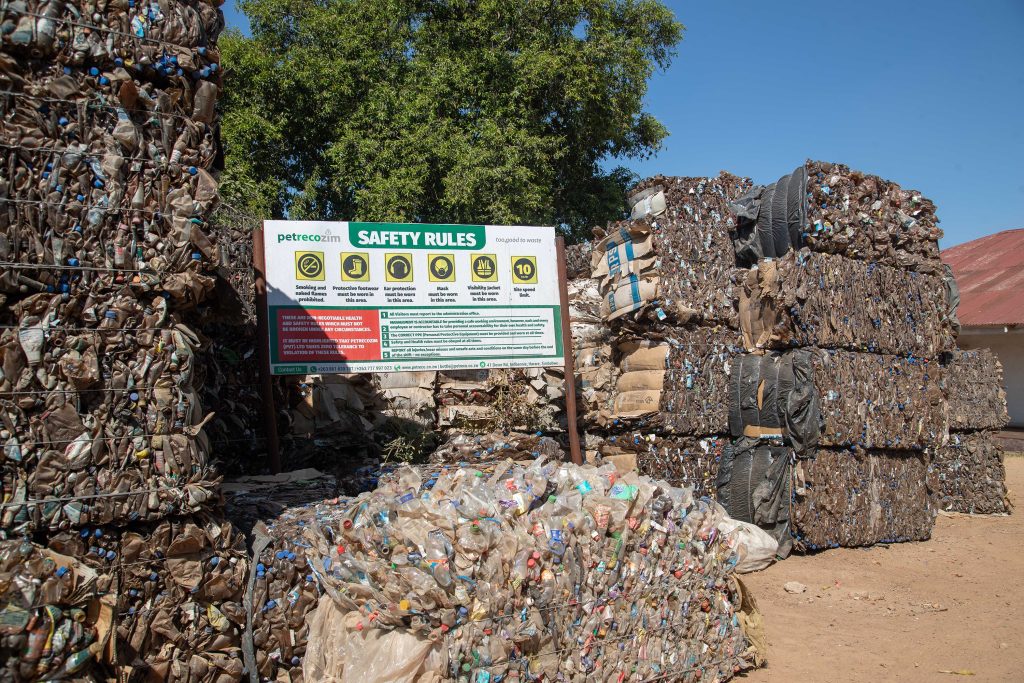
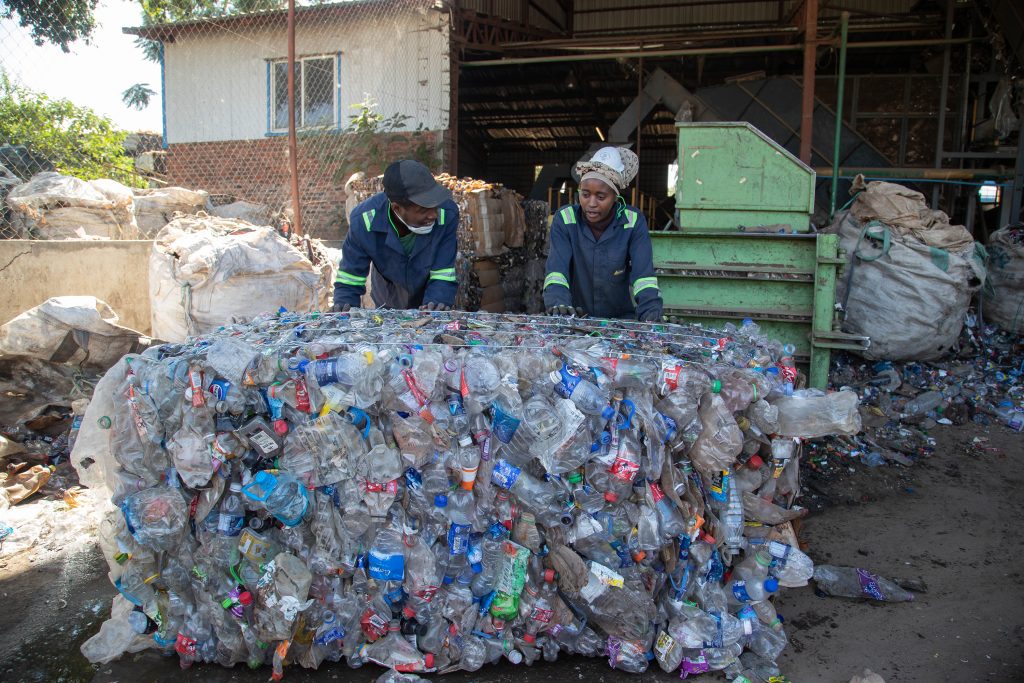
According to PetrecoZim; the industry-led producer responsibility organisation whose members include Delta Beverages, Dairibord Zimbabwe, Varun Beverages, Schweppes Zimbabwe, and Coca-Cola Central Africa; though approximately 5,500 tonnes of PET enter Zimbabwe’s market every quarter, only 393 tonnes (7.1%) are recovered.
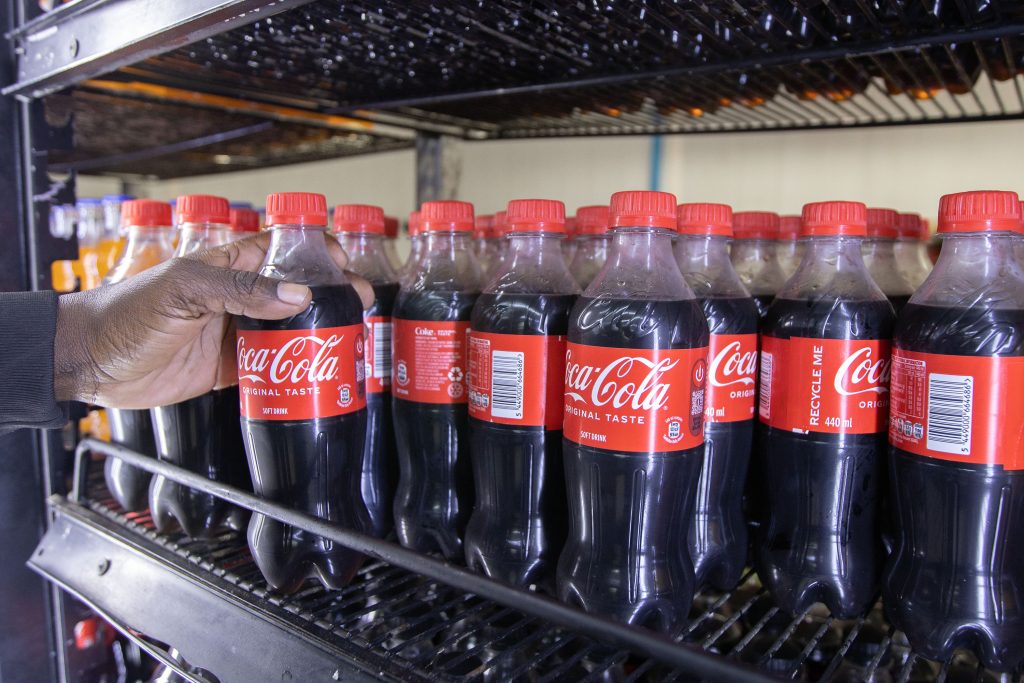
Though both SI 98 of 2010 and SI 84 of 2012 carry the words Plastic Bottles in their formal titles, the body of those instruments tells a different story, with the core prohibition applying strictly to a 30-micrometre thickness threshold for packaging. A standard PET bottle is rigid plastic, typically between 200 and 500 micrometres thick, placing it physically outside the scope of that threshold. Neither instrument contains any provision governing what happens to a bottle after a consumer is done with it.
The title of a statutory instrument signals legislative intent, said Emerge Masiya, an environmental law lecturer at Great Zimbabwe University. But if the operative provisions do not reach PET bottles, the title cannot create an obligation the body of the law does not establish. The bottles are named. They are not regulated.
This explains why the recovery rate is a mere 7.1%: there was never a law requiring anything different.
The Voluntary Trap
PetrecoZim acting general manager Tendai Nyawiri said the voluntary system has reached its structural limits.
Benchmarking with regional peers and international systems, Extended Producer Responsibility (EPR) cannot work if not legislated, Nyawiri said. Members are not obligated to provide reverse logistics. It’s a pro bono service subject to withdrawal and without contractual implications.
EMA’s own written response confirmed the legal position plainly: Operating outside of a voluntary EPR network does not make a company an illegal operator under current Zimbabwean law. A producer placing millions of PET bottles onto the market and recovering none of them has broken no regulation.
On its website, Delta Beverages, Zimbabwe’s leading beverages producer and a founding member of PetrecoZim, illustrates the structural gap most starkly, stating that they have taken deliberate measures to maintain returnable packaging as the core of its offerings. The company adds that its approach is based on four principles: reducing packaging material, increasing recycled content, promoting recovery and reuse, and rethinking packaging models.
Yet Delta’s own data shows that more than 70% of its lager beer volume is in returnable packs; a positive step for glass and can formats. For PET bottles, the picture is different.
This reporter submitted written questions to Delta on the company’s annual PET volume placed on the market, its financial contribution to recovery systems, and whether it had ever filed the waste prevention and recovery targets required under Section 6 of SI 84 of 2012. Delta did not respond by the time of publication.
EMA confirmed it has never audited whether any producer had filed those targets. The provision has been law since 2012.
The Law Says ‘Must’, EMA Says ‘Voluntary’
Section 6 of SI 84 of 2012 uses the word must and attaches criminal penalties for wilful neglect or failure to recover plastic. Yet EMA has consistently characterised producer responsibility as a voluntary best practice throughout this investigation.
Masiya said that characterisation is not legally reconcilable with the statute: The use of must combined with criminal sanctions makes this a mandatory obligation, not a voluntary one, she said. Punitive measures are usually linked to mandatory obligations. EMA’s position that producer responsibility is voluntary best practice is inconsistent with the plain language of Section 6.
She grounded her analysis in the plain meaning rule applied by Zimbabwean courts, whereby courts apply ordinary meaning to words unless they are ambiguous. It is, however, apparent that there is nothing ambiguous about must.
Masiya added that 15 years without a single referral to the National Prosecuting Authority (NPA) raises serious questions under the Administrative Justice Act, which requires authorities to act lawfully, reasonably, and in good faith.
Fifteen years of non-prosecution is not the same as choosing which cases to prioritise, she said. That is a blanket non-enforcement; and that is a completely different thing.
Compounding the confusion, SI 84 of 2012 amended the core thickness prohibition to read not less than 30 micrometres, which, as written, technically permits packaging below the threshold and prohibits packaging above it—the precise opposite of the intended ban. This drafting error has stood uncorrected for 13 years.
Masiya said courts would apply a purposive interpretation and read the provision as originally intended, but the uncorrected error affects the credibility of the agency. If enforcement was really mandatory, why didn’t they fix it? EMA did not respond to questions on this discrepancy.
The Role of Political Will
Against the documented failure of plastic regulation, Zimbabwe’s government has projected environmental urgency in other arenas.
President Emmerson Mnangagwa’s monthly national clean-up campaign, running since 2018, has mobilised citizens to clear plastic waste from streets and rivers on the first Friday of every month. Cabinet approved the Environmental Management Amendment Bill of 2026, introducing tougher environmental penalties. In May 2026, the government demonstrated immense political will by fast-tracking Statutory Instruments 91 and 92 of 2026, which operationalised the polluter-pays principle for river and wetland protection, moving from Cabinet approval to gazetted law within days.
The responsible Ministry drew a distinction in its formal response: plastic packaging waste, it said, does not pose the same immediate, life-threatening risk as alluvial mining pollution, allowing for a more consultative, economically measured policy approach.
That distinction is difficult to sustain against EMA’s own evidence. The same agency told international partners in 2021 that plastic waste kills 5,000 animals annually (including elephants, donkeys, and cattle), blocks stormwater drains causing urban flash flooding, and releases toxic gases (including dioxins and furans) through dumpsite burning.
National clean-up campaigns remove plastic from the environment, but they do not stop it from being produced or compel its recovery. The structural fault—a law that does not effectively require producers to recover what they generate—remains unaddressed.
The Government’s Own Admission
On June 19, 2026, Permanent Secretary in the Ministry of Environment, Climate and Wildlife Simon Masanga signed a formal written response to questions submitted by this reporter.
The Ministry acknowledges, without reservation, that the absence of a gazetted, comprehensive EPR framework creates an enforcement gap within Zimbabwe’s plastic packaging regulatory architecture. Statutory Instrument 98 of 2010 established a foundational, high-level obligation for producers to manage the end-of-life lifecycle of their packaging. However, it lacked the specific, mandatory mechanisms required to make that obligation strictly enforceable in practice.
He said the Ministry accepted the assessment that current enforcement actions were legally constrained by the narrow scope of outdated instruments, rather than an institutional lack of enforcement capacity at EMA.
While the draft regulations have been finalised for some time, their formal gazetting is currently deferred pending the evaluation of critical macroeconomic and policy concerns. Specifically, the Government of Zimbabwe is executing an Ease of Doing Business initiative. Introducing a new regulatory levy on business owners introduces a high risk of cascading costs, as businesses are likely to pass these compliance expenditures onto consumers, thereby impacting inflation.
Masanga also confirmed that standing executive directives currently freeze any pending legislation introducing new levies, taxes, or regulatory fees, and that the draft EPR regulations must still clear the Attorney-General’s Office and the Cabinet Committee on Legislation before the Minister can gazette them.
South Africa gazetted mandatory EPR regulations in 2021, while Kenya and Rwanda have binding producer responsibility frameworks. Zimbabwe, meanwhile, has discussed EPR for more than a decade. The regulations are written, approved in draft, and confirmed by the government to exist, but they are sitting on hold.
A Familiar Pattern
A 2022 Auditor General’s report found that EMA issued 109 wetland enforcement orders between 2014 and 2019 and enforced none of them. The National Environmental Council had not met since 2013. The Auditor General concluded that EMA was not adequately carrying out its statutory environmental protection mandate.
A 2022 peer-reviewed study by University of Johannesburg researchers, drawing in part on interviews with EMA officials, concluded that Zimbabwe’s plastic regulations have not achieved their intended objectives and face a systemic threat from insufficient resources or political will to enforce legislation.
The Ministry pointed to the Environmental Management Amendment Bill and tightened EIA compliance as evidence of reform. Those measures address development approvals and wetlands, but they do not address plastic packaging enforcement.
Fifteen Years, One Question
When asked why violations continue despite EMA’s extensive powers, Sidange denied that enforcement was not curtailed by lack of capacity but the extent of the regulations.
“Our current enforcement is not limited by our capacity, but by the scope of the existing regulations,” said Sidange.
What the agency has not explained is why the solution continues to gather dust while the plastic burden grows, its cities fill with waste, and the question of who bears responsibility for the crisis remains, 15 years on, unanswered.
This report was produced by the Southern Africa Accountability Journalism Project (SAAJP), an initiative of the Henry Nxumalo Foundation, with the financial assistance of the European Union. It can under no circumstances be regarded as reflecting the position of the European Union.