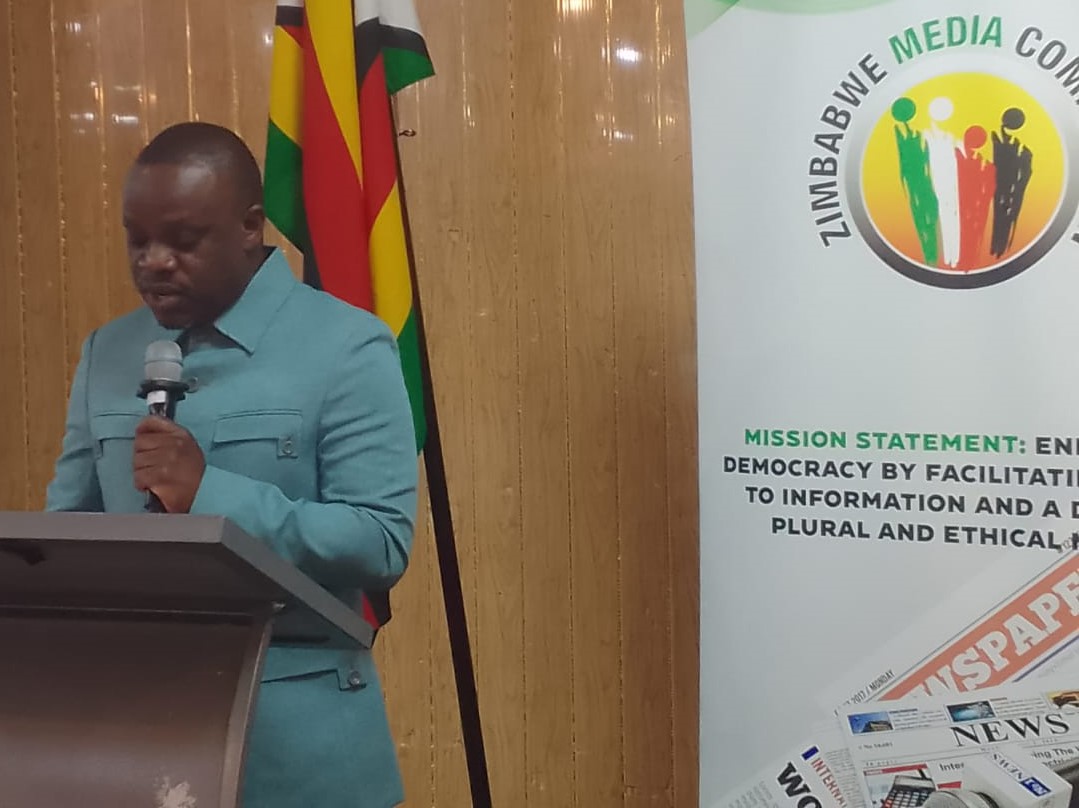
ZMC Executive Secretary Godwin Phiri
By Moses Ziyambi
The draft Climate Change Reporting Manual prepared by the Zimbabwe Media Commission (ZMC) will assist in guiding journalists to authoritatively report on climate change in an era of increased misinformation and disinformation, stakeholders have stated.
This came out at the validation meeting of the reporting manual held in Harare today, July 30, 2026.
The draft manual, which remains subject to improvements incorporating the views and recommendations of gathered stakeholders, comprises eight modules spanning issues such as the fundamentals of climate change, adaptation and mitigation, and distinguishing fact from fiction in climate reporting.
Permanent Secretary in the Ministry of Information, Publicity and Broadcasting Services, Nick Mangwana—in remarks delivered on his behalf by the Ministry’s Director of Media and Information Services, George Chisoko—welcomed the manual as an important tool for articulating climate facts.
“The manual comes at the right time to enhance the ability of journalists to report on climate science. This bridges the gap between journalism and science, enabling journalists to accurately disseminate complex issues in an era defined by misinformation and disinformation,” he said.
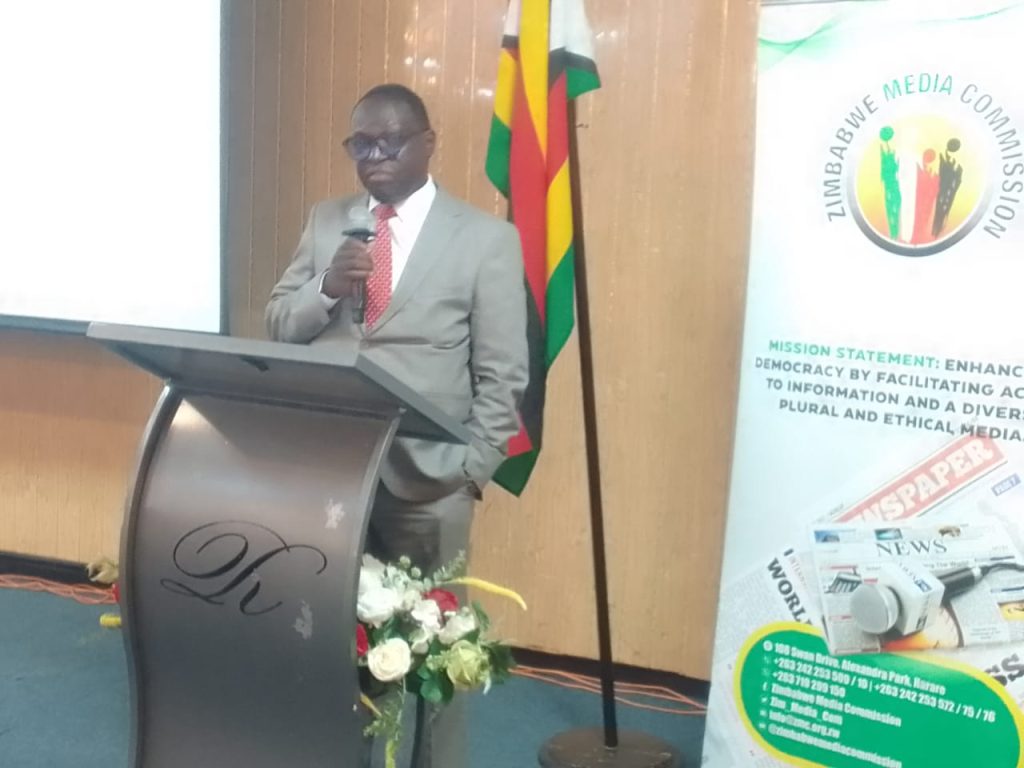
This was echoed by ZMC Executive Secretary Goodwin Phiri, who said the manual was designed to be a practical guide for media practitioners, including reporters, editors, and researchers.
“It is essential that media practitioners are equipped with the knowledge, skills, and ethical guidance necessary to report on climate issues professionally and responsibly. The manual is intended to provide practical guidance on climate terminology, scientific information, ethical reporting, verification of climate-related claims, and inclusive, solution-oriented journalism,” said Phiri.
Acting Deputy Director of Carbon Markets in the Ministry of Environment, Climate and Wildlife, Tirivanhu Muhwati, expressed confidence in the manual’s potential to strengthen the media’s role in disaster risk management as Zimbabwe works to industrialise its econoomy.
“Zimbabwe is industrializing, and we acknowledge that this development adds to our carbon emissions, meaning we need to act. Resultantly, the National Development Strategy 2 (NDS2) regards climate change as a cross-cutting matter with severe consequences for the country’s development,” he said.