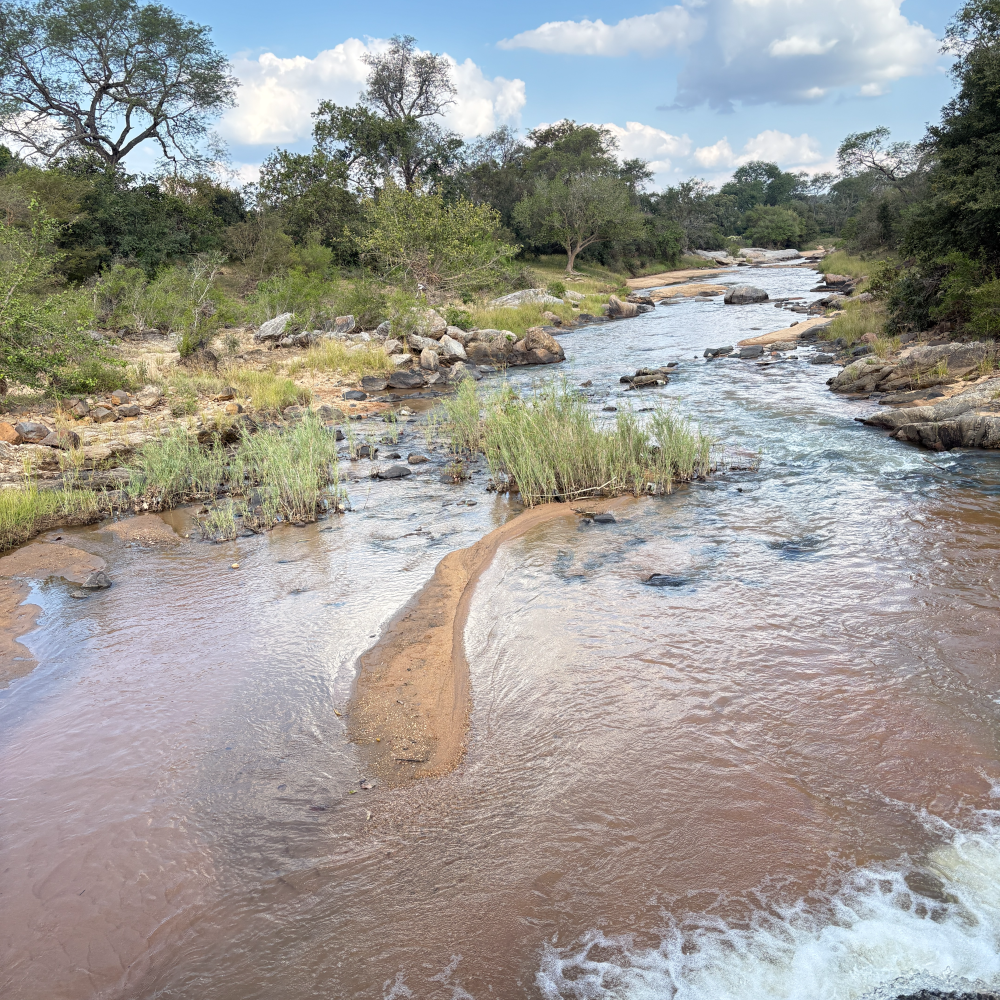
The Chenyu River flowing through Mutonhori Village.
After listening to stories of women’s stewardship of freshwater resources in Uganda and Tanzania, the CuratEast team continued its journey to Zimbabwe’s Masvingo Province. Our destination was Mutonhori Village, home to the Kubvoruno Gully, a protected wetland that has become an example of what can be achieved when communities and institutions work together to restore degraded ecosystems.
We were led by Violet Nyathi into the site, a Water Resources Officer with the Mutirikwi Sub-Catchment Council, who shared the history of the gully and the efforts being made to restore it.
In 2018, Kubvoruno Gully was identified as a critical wetland within the catchment. It feeds into the Chenyu River, which flows into the Mutirikwi River before joining the Runde River and eventually the Save River, one of Zimbabwe’s major river systems that drains into the Indian Ocean.
The Chenyu River is not only an important part of this river network but also holds deep cultural significance for the communities living along its banks.
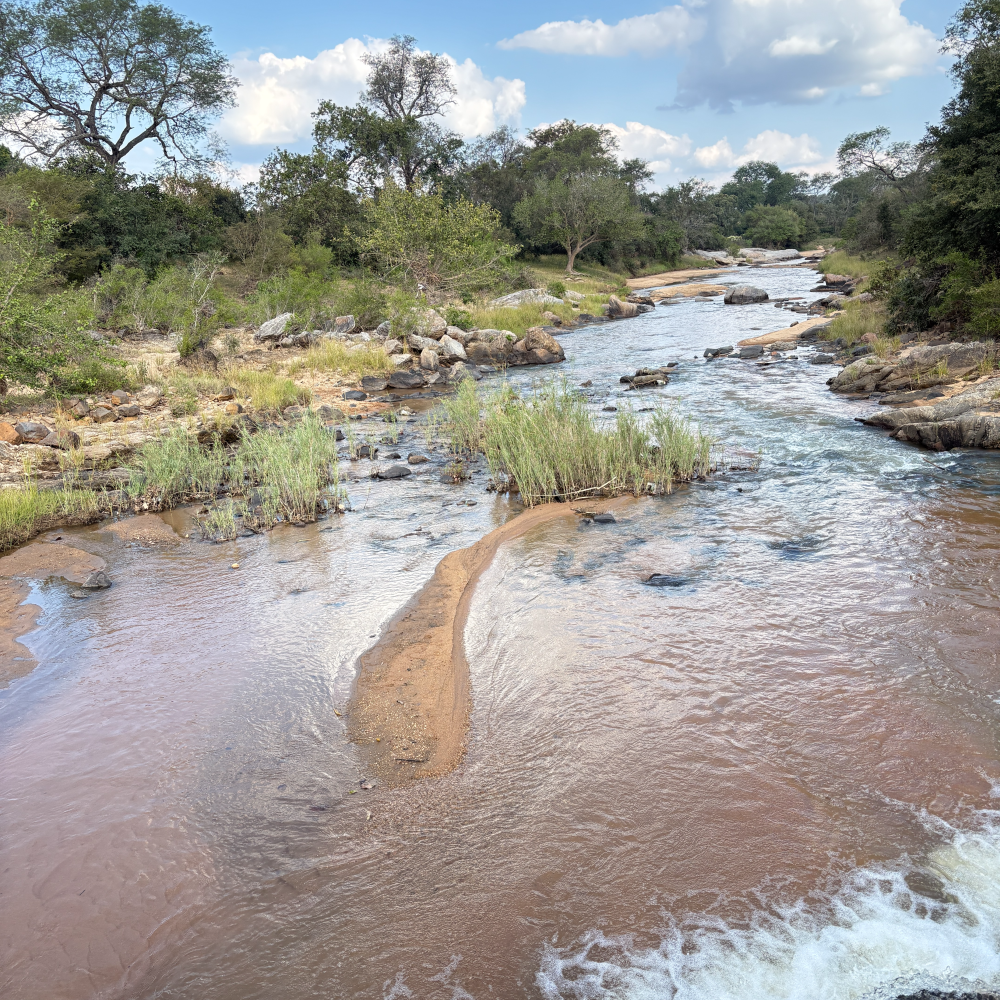
Ms. Omega Juba, a community leader and long-time resident who has lived in Mutonhori Village since 1990, shared that every October, as the dry season draws to a close and communities prepare for the rains, people gather by the river for traditional rain-making ceremonies.
According to Ms. Omega, before the ceremonies begin, communities listen for sounds believed to come from mermaid spirits moving from one mountain to another across the river system within the sacred pools. The sounds are regarded as a sign that the rainy season is approaching. Community members then prepare for the traditional rain-making ceremonies, often expecting rainfall within days of hearing them. Some villagers even claimed to have seen the mermaid spirits resting on rocks or basking in the sun near the sacred pools.
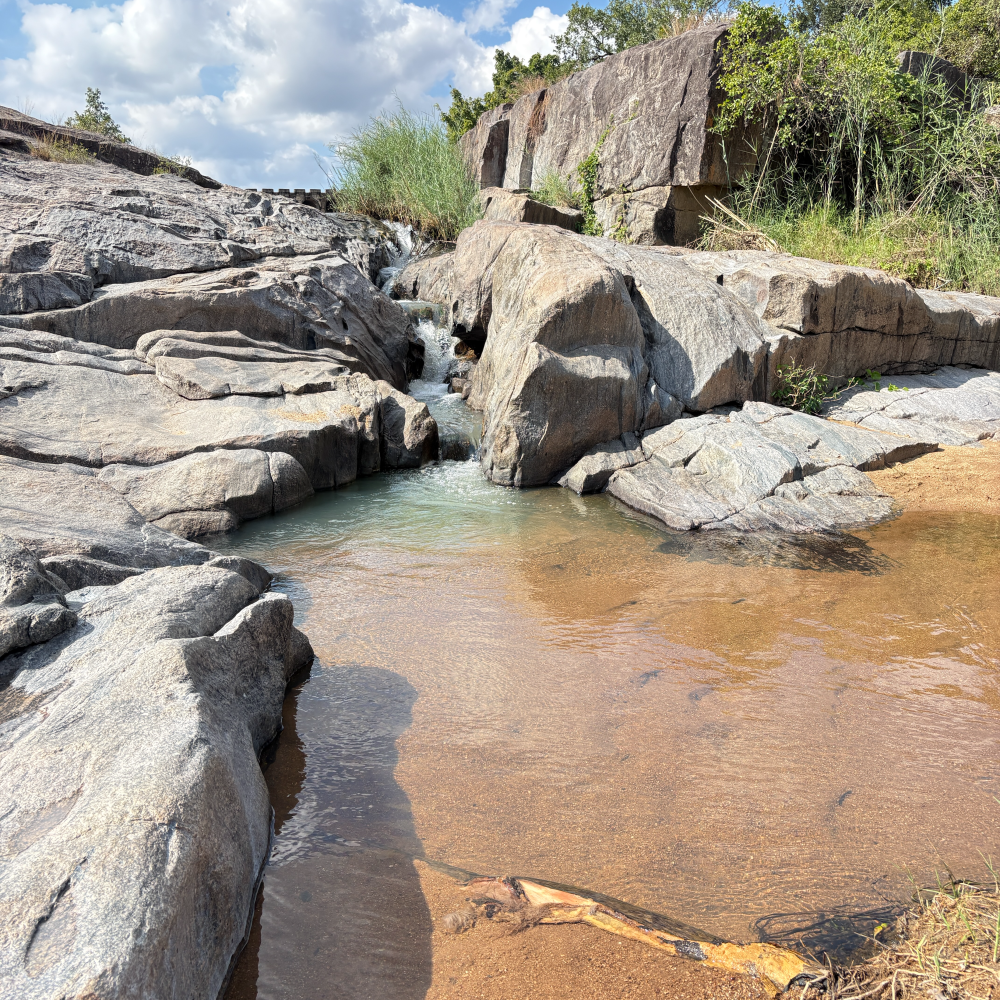
During the rain-making ceremonies, traditional beer is brewed and shared, while drums are beaten, songs are sung, and prayers are offered through spirit mediums. The ceremonies bring together community members in a collective expression of hope for good rains, successful harvests, and protection from drought. The sound of the drums carries across the landscape, connecting people to traditions that have been passed down through generations.
Local communities also relied on traditional systems of environmental stewardship to protect these water sources. Large indigenous trees were not permitted to be cut down, and community members respected rules established by traditional leaders to safeguard rivers, wetlands and sacred pools. Activities such as washing clothes, cleaning dirty utensils, or disturbing the water were prohibited in sacred areas, helping to preserve the integrity of these important water sources.
These traditions reflect a longstanding relationship between people and water, one that recognises rivers not only as ecological resources but also as important cultural landscapes that hold memory, identity, and indigenous knowledge. They also served as informal conservation measures that encouraged communities to respect and protect the environment.
What happens at Kubvoruno has implications far beyond the village itself. The health of this small wetland influences the wellbeing of rivers and communities downstream, while also supporting cultural practices that have connected people to these waters for generations.
However, today, there is serious environmental concern for the gully. Community members attribute part of the degradation to the gradual decline of traditional conservation practices. As respect for customary environmental rules weakened, activities such as cutting down large trees, clearing land through burning, and farming close to riverbanks became increasingly common. The introduction of modern tools, including chainsaws, accelerated the removal of trees that had once been protected under traditional leadership.
Residents believe these changes have contributed to reduced rainfall, declining water availability, and increased land degradation across the area. Practices that were once discouraged around rivers and wetlands, including washing household items and cultivating along sensitive riverbanks, became more common, placing additional pressure on the ecosystem.
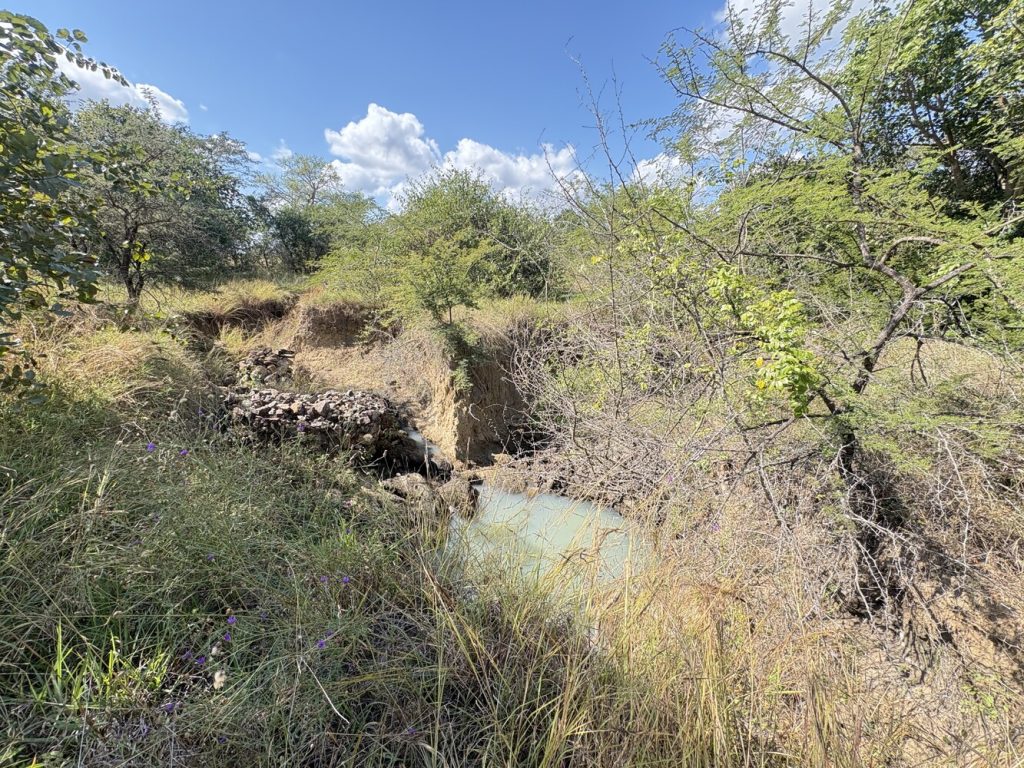
Years of erosion caused the gully to expand rapidly, disrupting road networks and washing large amounts of sand and waste into nearby rivers. Left unchecked, the degradation threatened both local infrastructure and the integrity of the wider river system.
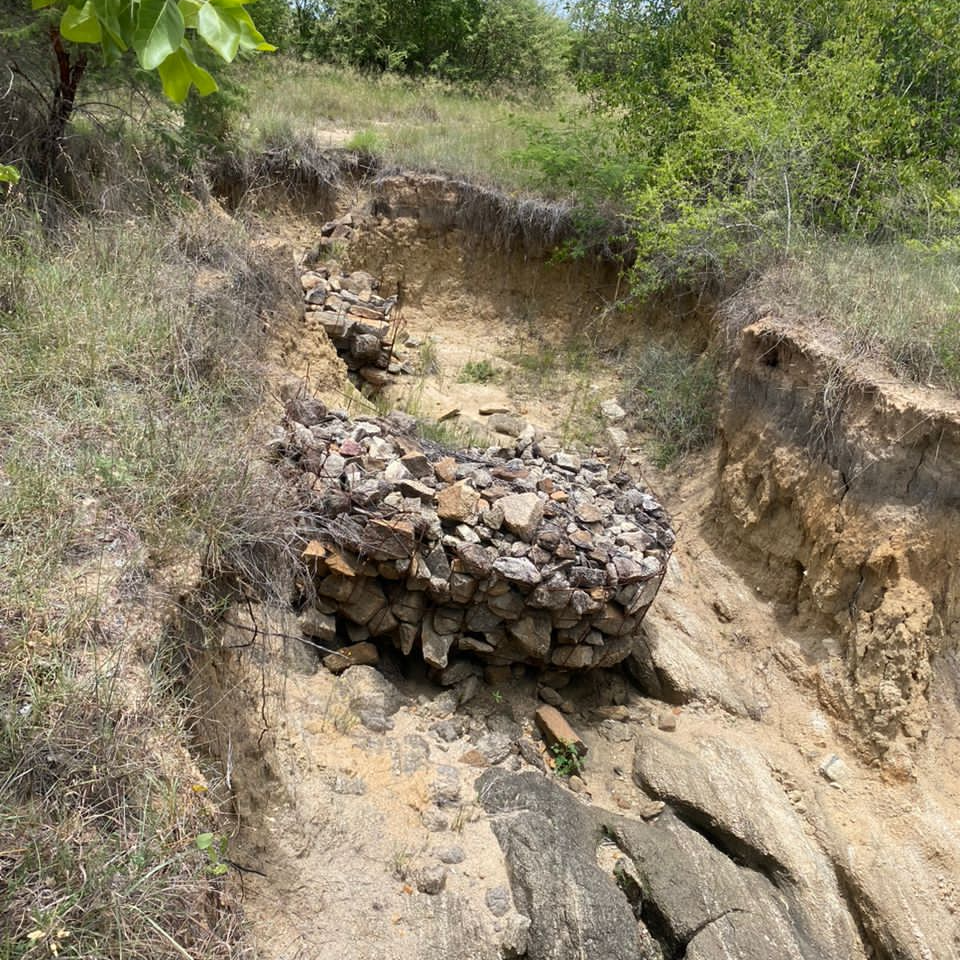
Recognising the urgency of the situation, the Mutirikwi Sub-Catchment Council, working hand in hand with community members, introduced innovative measures to slow down the erosion and reclaim the damaged landscape.
One of the key interventions was the construction of gabions wire mesh structures filled with rocks that help stabilise gullies by slowing the flow of water and trapping sediment. The partnership reflected a shared sense of ownership: while the council provided the mesh wire, community members contributed by collecting and supplying the rocks needed for construction.
People from four surrounding villages joined forces in the restoration effort. Each village selected a secretary to represent them, and notably, all four secretaries chosen were women. Together with a chairperson, who also serves as the village head, they coordinated the work and mobilised their communities.
We started restoring the gully in 2018 and completed the work in 2019. The Mutirikwi Sub-Catchment Council taught us about gully erosion and gully reclamation. They came once a week and provided food, mesh wire and fencing materials. The community contributed labour and carried the stones that were used to construct the gabions. The initiative was a success because the gully is no longer receding, it is healing. – Omega Juba.
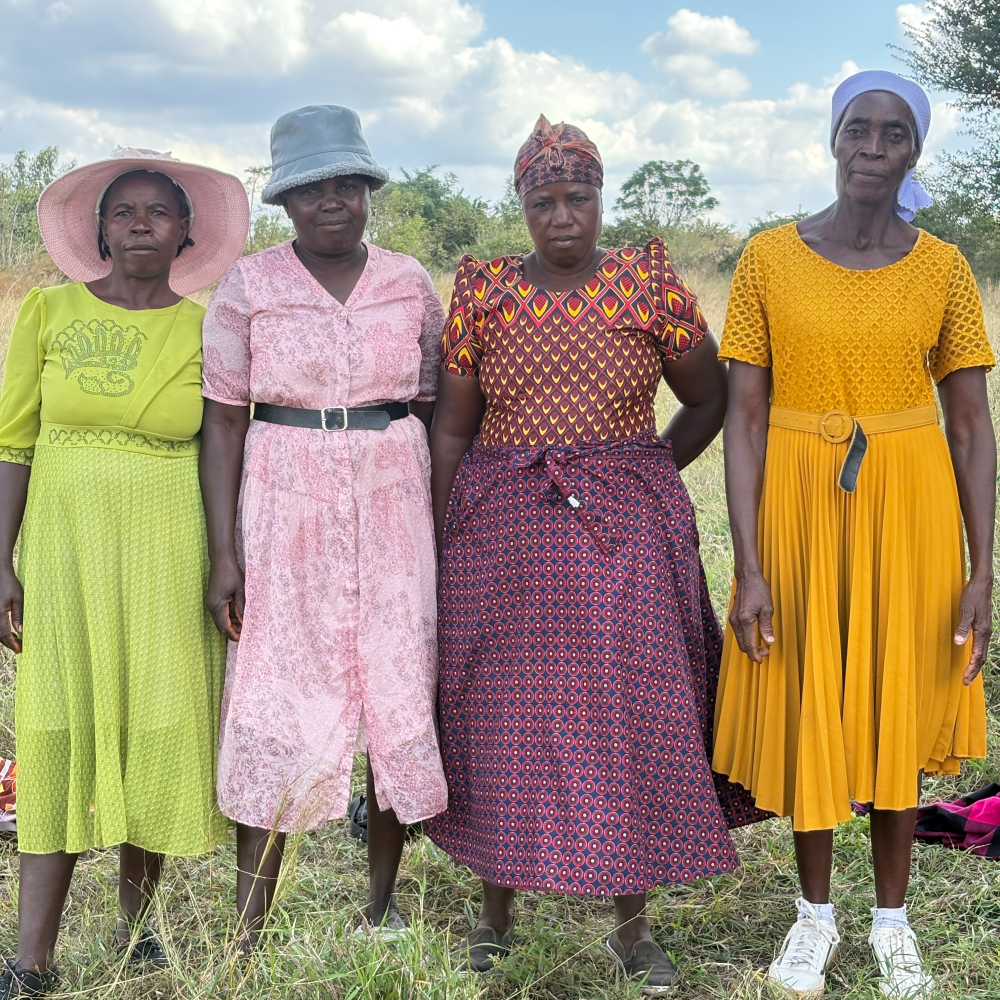
Through their collective efforts, the community successfully constructed 5 gabions within the gully. The project demonstrated the value of collective action between institutions and local communities. While the council supplied technical expertise and materials, community members contributed their time, labour and local knowledge to restore the degraded landscape.
The transformation of the area is visible. Community members recall a time when the landscape surrounding the gully was largely bare, with little vegetation to hold the soil together.
Under the guidance of the council, they planted vegetation around the affected area, and today much of it has flourished. The gully was also fenced off to minimise human disturbance and prevent cattle grazing, allowing the ecosystem a chance to recover.
Women have played a particularly important role in maintaining these gains. They help ensure that the protective fence remains intact and continue to advocate for the protection of the wetland within their communities. Their leadership demonstrates how women are often at the forefront of environmental stewardship, even when their contributions go unnoticed.
Another important intervention has been the planting of vetiver grass at the mouth of the gully. Known for its deep and extensive root system, vetiver helps bind the soil together, slowing water movement and reducing erosion. Community members say this has helped minimise the expansion of the gully and protect vulnerable sections of the landscape.
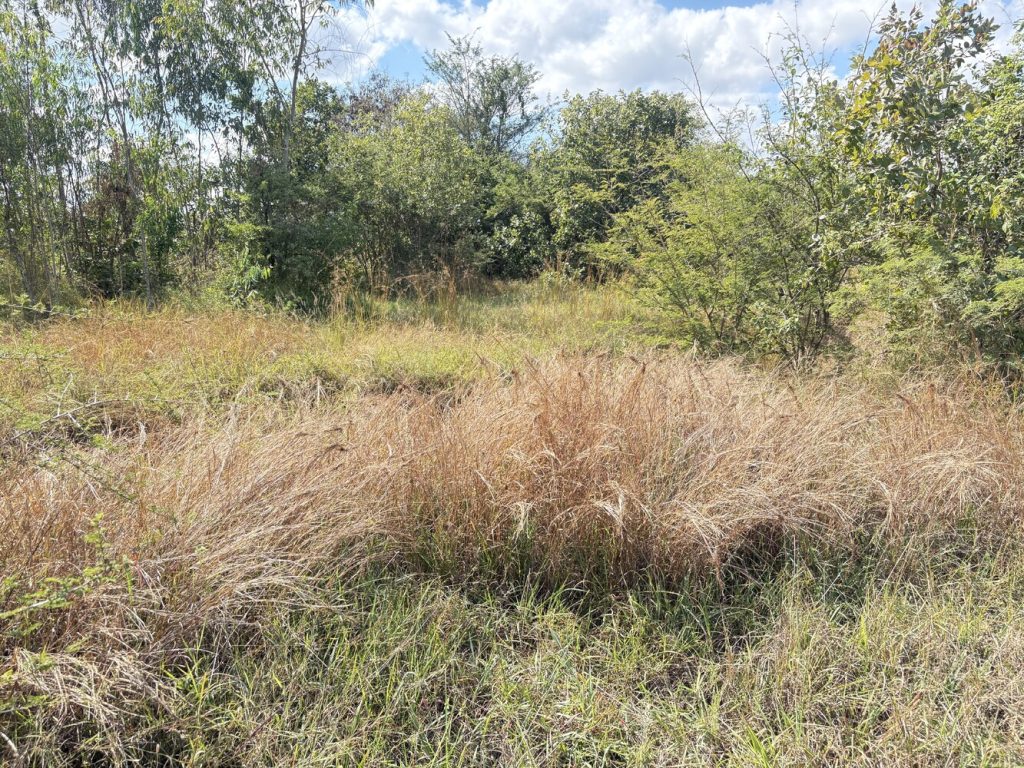
Despite the progress made, challenges remain. Over time, the force of runoff during heavy rains has continued to widen parts of the gully. The rocky nature of the gully floor makes it difficult for vegetation to establish itself and stabilise the soil naturally. Nevertheless, both the community and the Mutirikwi Sub-Catchment Council remain committed to extending the gabion structures to further reduce erosion.
Beyond physical restoration, education and awareness have become central to conservation efforts.
In partnership with the Mutirikwi Sub-Catchment Council, EnviroPress Zimbabwe has been working with women in Mutonhori Village and the surrounding communities to strengthen understanding of the importance of protecting wetlands. Through training sessions supported by IUCN’s Swiss-funded Building River Dialogue and Governance (BRIDGE) Programme, women have been empowered with knowledge and practical skills to safeguard this fragile ecosystem.
These sessions emphasise that wetlands are more than patches of waterlogged land. They filter water, reduce flooding, recharge groundwater and sustain river systems that communities depend on for their livelihoods. Community leaders have also extended this knowledge to younger generations, teaching children about environmental protection and the importance of preserving natural resources for the future.
Ms. Omega Juba has been among those leading this change. Working alongside the council and fellow community leaders, she has helped sensitise women about the importance of protecting riverbanks, wetlands and water sources. Through community meetings and awareness programmes, women are encouraged to avoid harmful practices and instead take an active role in safeguarding the environment for future generations.
Protecting Kubvoruno Gully therefore means protecting the rivers it feeds into and securing water resources for future generations.
At Kubvoruno Gully, restoration is not simply about stopping erosion. It is about rebuilding a relationship between people and the environment, strengthening community ownership, reviving valuable traditional knowledge, and recognising that local action at the source can create ripples of resilience throughout an entire river basin.
This story was written by CuratEast as part of their engagement with IUCN through the BRIDGE Gender Grants Programme. All Images credit: CuratEast