EnviroPress Reporter
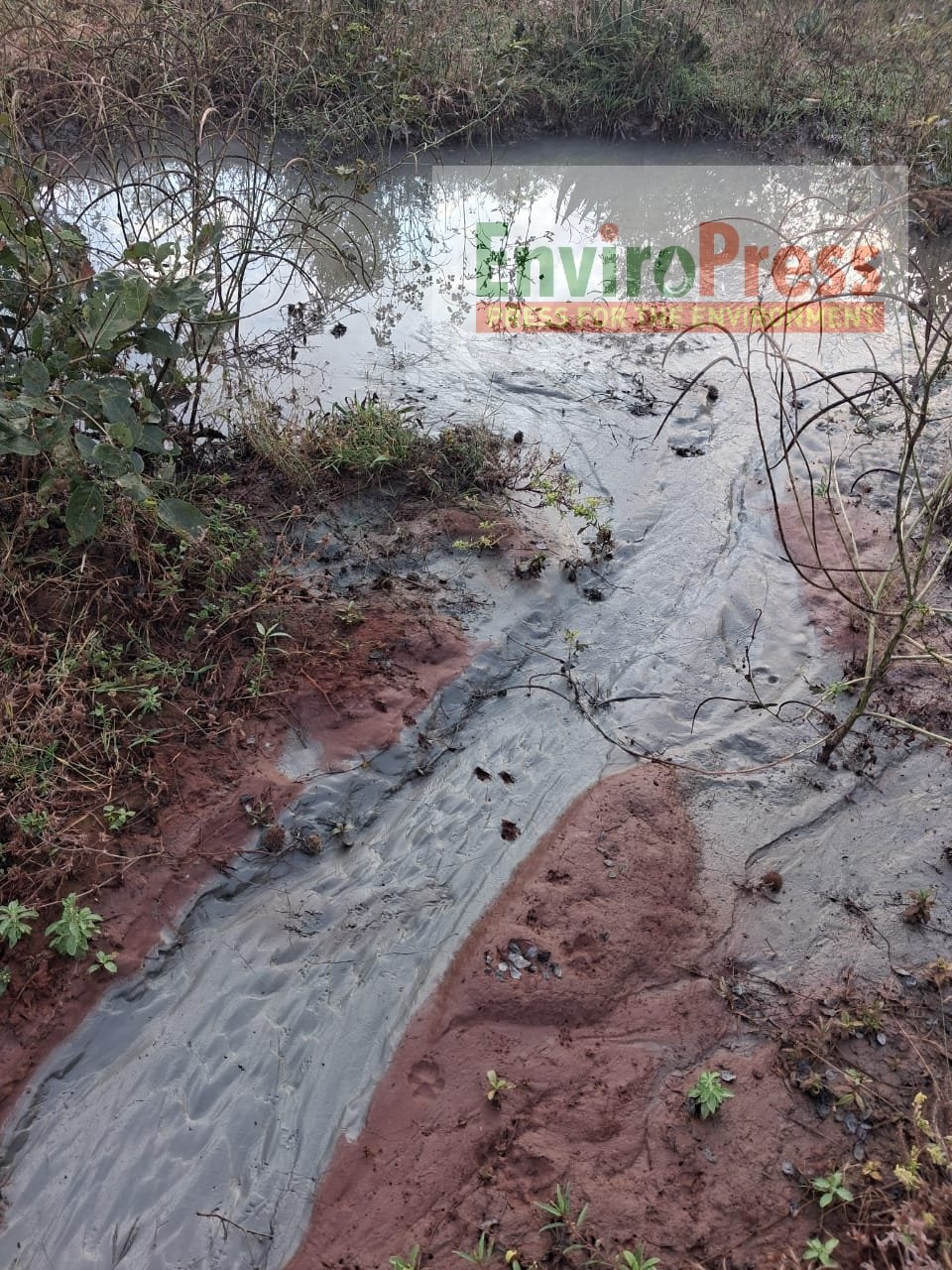
Toxic mercury waste from illegal gold mining operations at Chasiyatende Business Centre is contaminating local streams, raising severe health alarms for nearby communities and their livestock.
The contaminated waste runs into tributaries feeding the Tende River which flows into the Runde River which ultimately joins the Save River before emptying into the Indian Ocean through Mozambique.
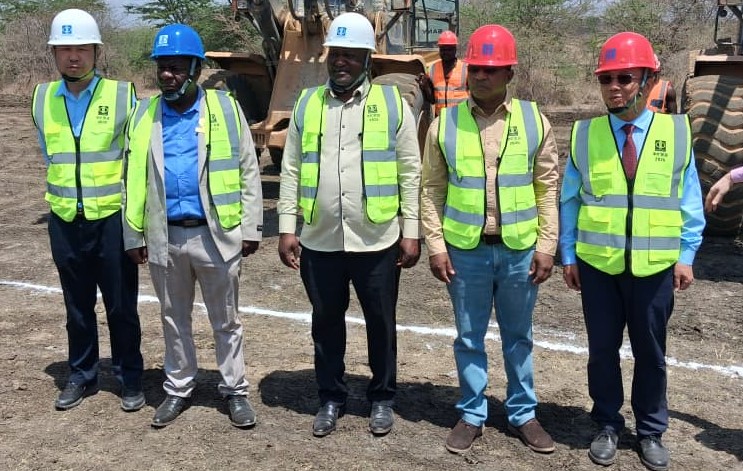
At the confluence of the Runde and Tende rivers, government is planning to construct the Runde-Tende Dam. Once completed, the reservoir is projected to be larger than Tugwi-Mukosi, currently Zimbabwe’s largest inland dam.
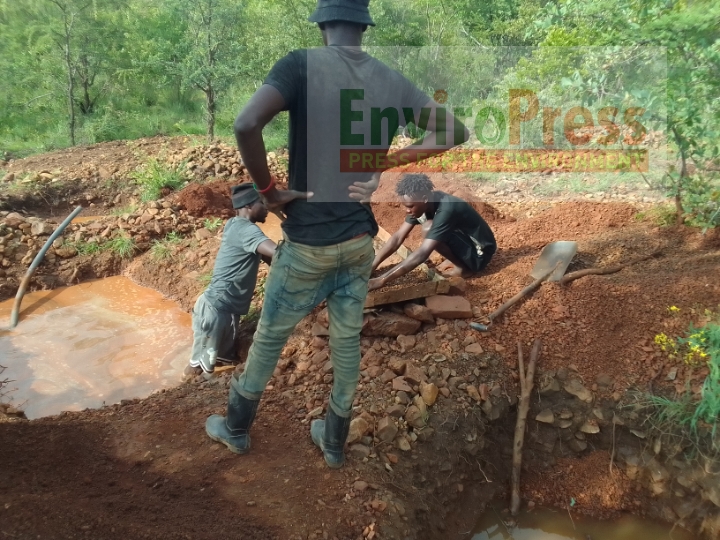
Local mining watchdogs note that small-scale and artisanal miners continue to heavily rely on mercury because it remains the most affordable and accessible method to extract gold from ore. However, global health data shows that inhaling or absorbing mercury runoff leads to severe neurological damage, cognitive impairment, and kidney failure. It bioaccumulates rapidly in water systems, entering the local food chain through fish, crops, and livestock.
Read More: Mercury continues to dominate Mberengwa gold processing
The ongoing pollution persists despite major policy shifts, with Zimbabwe having ratified the Minamata Convention, an international treaty banning the use of mercury in mining to safeguard human health and the environment.
Despite the legal ban, a lack of strict enforcement and a shortage of affordable alternative processing chemicals have allowed illegal mercury use to thrive unchecked, leaving downstream communities to bear the toxic cost.