Trymore Tagwirei
Zimbabwe is accelerating its transition from exporting raw lithium to producing higher-value refined products, with the country expected to nearly triple its lithium sulphate output by 2030.
The move marks a major step in government’s drive to boost mineral beneficiation, create more value from natural resources and strengthen Zimbabwe’s position in the global battery minerals market.
According data from the Lithium Association of Zimbabwe (LAZ), domestic production of lithium sulphate is expected to increase.
“The production of lithium sulphate is projected to increase from 130,000 tonnes in 2026 to 169,000 tonnes in 2027, before rising sharply to 264,000 tonnes in 2028, 312,000 tonnes in 2029 and reaching 344,000 tonnes by 2030.
“The increase will be driven by major investments in midstream chemical refining facilities across the country, allowing more lithium to be processed locally instead of being exported in raw form.
“As refining capacity expands, primary extraction is expected to decline. Spodumene ore production is forecast to fall from 963,049.58 tonnes in 2026 to 467,000 tonnes in 2027, while spodumene concentrate output is projected to decrease from 1,221,313 tonnes to 636,090 tonnes over the same period as mining companies prioritise domestic chemical processing,” the Association said.
LAZ acts as the primary bridge between the government and stakeholders in the country’s lithium mining and manufacturing sectors, representing local industry players.
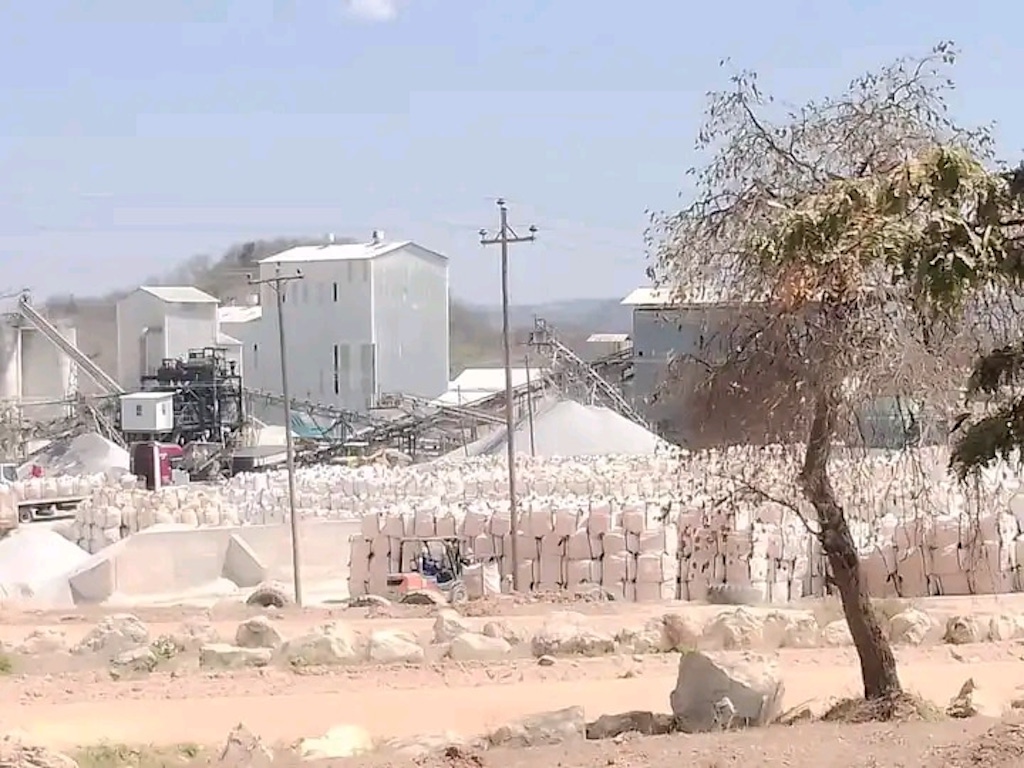
Zimbabwe’s refining ambitions gained momentum earlier this year when the country exported Africa’s first shipment of lithium sulphate from the US$400 million Prospect Zimbabwe processing plant in Goromonzi, marking its official entry into the global midstream lithium market.
Mutapa Energy Minerals Chief Executive Innocent Rukweza recently said Zimbabwe’s lithium industry has already attracted investments of about US$3.4 billion, with total commitments expected to rise to between US$4 billion and US$5 billion once planned brownfield and greenfield exploration projects are included.
Mutapa Energy Minerals, which runs the Sandawana lithium mine in Mberengwa district, is a specialized subsidiary of the Mutapa Investment Fund tasked with executing Zimbabwe’s lithium beneficiation strategy.
Rukweza said the level of investment demonstrates the industry’s confidence in Zimbabwe’s lithium sector and its commitment to expanding local beneficiation and value addition by 2030.
LAZ said the projected growth reflects the country’s commitment to expanding local beneficiation and maximising returns from its vast lithium resources.