EnviroPress Reporter
BIKITA— For more than a century, the hills around Bikita have yielded lithium, but the latest chapter in the mine’s history is forcing Zimbabwe to confront a bigger question: can the country turn a growing mountain of ore into a bigger share of the money generated by the global battery economy?
The answer could hinge on what happens next at Bikita Minerals.
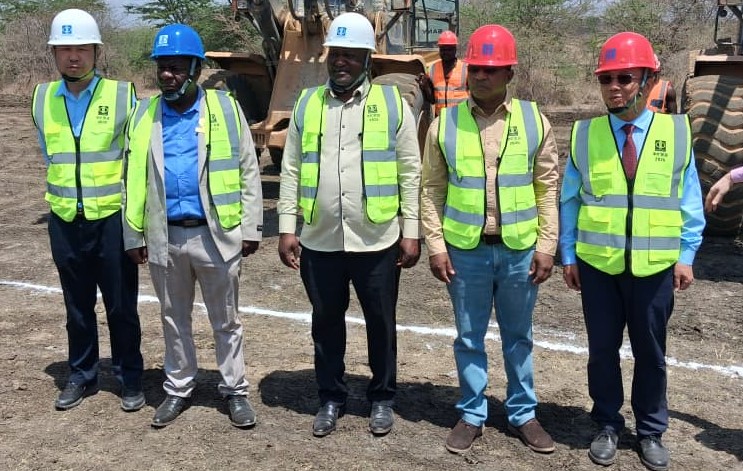
Sinomine Resource Group, which acquired Bikita Minerals in 2022 for US$180 million, says it has since invested more than US$300 million in exploration and production expansion.
The mine now produces lithium, caesium and tantalum-bearing products, with new processing infrastructure pushing it well beyond its historical production base.
But volume alone has already shown its limits.
Zimbabwe exported 1.128 million tonnes of spodumene concentrate in 2025, an 11% increase from 2024.
Yet export revenue was almost unchanged at about US$514 million because weaker lithium prices offset the increase in shipments.
The figures expose the vulnerability of a strategy built principally around digging more and selling concentrate abroad.
That is why Bikita’s proposed next step matters.
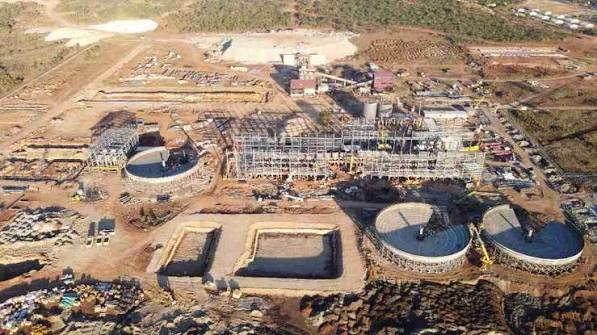
The company has secured funding for a US$500 million lithium-sulphate project, planned in two phases.
The first, targeted for the second quarter of 2027, is expected to produce 60,000 tonnes annually, with a second phase taking capacity to 125,000 tonnes by 2028.
Lithium sulphate is an intermediate product that can feed the production of battery-grade lithium chemicals.
The project comes as government tightens the screws on miners. Zimbabwe suspended exports of raw minerals and lithium concentrates in February 2026, citing leakages and export malpractices, while maintaining its broader push for domestic beneficiation.
Miners have since asked for more time to meet the January 2027 deadline for local processing.
For Bikita, therefore, the question is no longer simply how much lithium can be extracted from the ground. It is how much economic activity can remain around the mine.
That question is particularly important in a district where communities have watched trucks, workers and investment arrive alongside concerns about jobs, relocation and whether mining wealth is translating into lasting local development.
An ActionAid case study published this year found that expansion-related relocation in Bikita evolved into a negotiated process involving community participation and accountability.
Employment has also become part of the debate. Bikita says its workforce has expanded fivefold since Sinomine arrived, reaching 1,360 direct employees, while other reports put direct employment above 1,400.
But local leaders and community advocates have questioned how many higher-skilled opportunities are actually reaching residents.
The mine has also invested in community infrastructure, including boreholes, health, education and sanitation projects.
Yet such initiatives cannot substitute for the larger economic test: whether Bikita can become an industrial anchor rather than simply a highly productive pit.
The stakes extend beyond Bikita. China remains the principal destination for Zimbabwean lithium concentrate, and Chinese companies have invested billions of dollars in the country’s lithium sector since 2021.
Bikita now sits at the centre of Zimbabwe’s attempt to move one step further up that chain.
The billion-dollar question is not whether the mine can produce more.
It is whether Zimbabwe can capture more value from every tonne it produces.