EnviroPress Reporter
BIKITA— For generations, the hills around Bikita have yielded minerals. Today, lithium has turned the district into one of Zimbabwe’s most important mining centres, attracting hundreds of millions of dollars in investment and reshaping the local economy.
But the more important question may be what remains when the ore is gone.
Bikita Minerals, owned by China’s Sinomine Resource Group, has invested more than US$300 million in expanding its operations since the 2022 acquisition of the mine for US$180 million.
Its new processing capacity has lifted potential annual output to about 480,000 tonnes of petalite and 300,000 tonnes of spodumene concentrate.
The expansion has brought jobs, infrastructure and new economic activity. But it has also sharpened an old question in mining communities: how much of the wealth extracted from beneath their feet is being converted into lasting local development?
There are tangible answers.
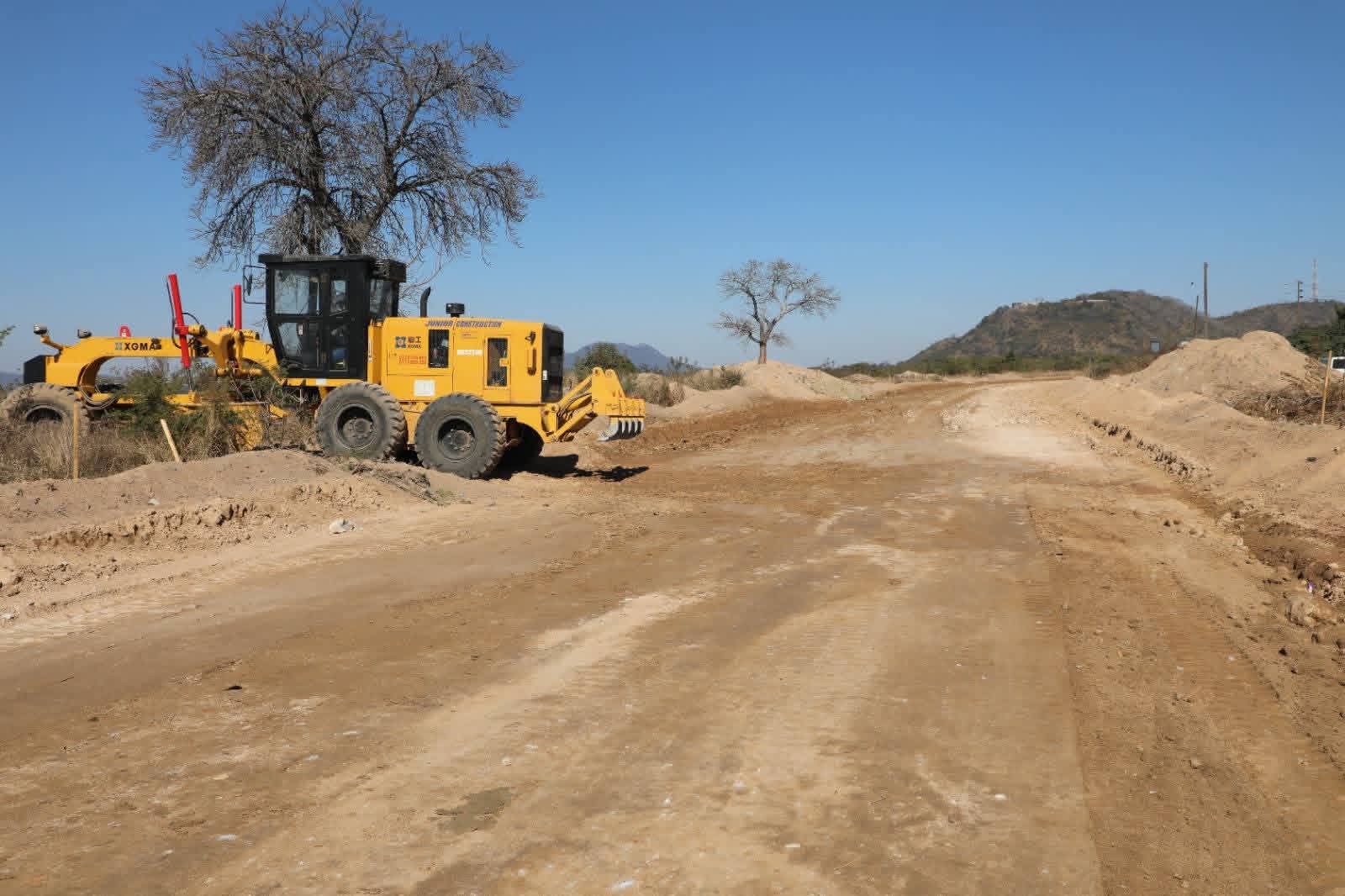
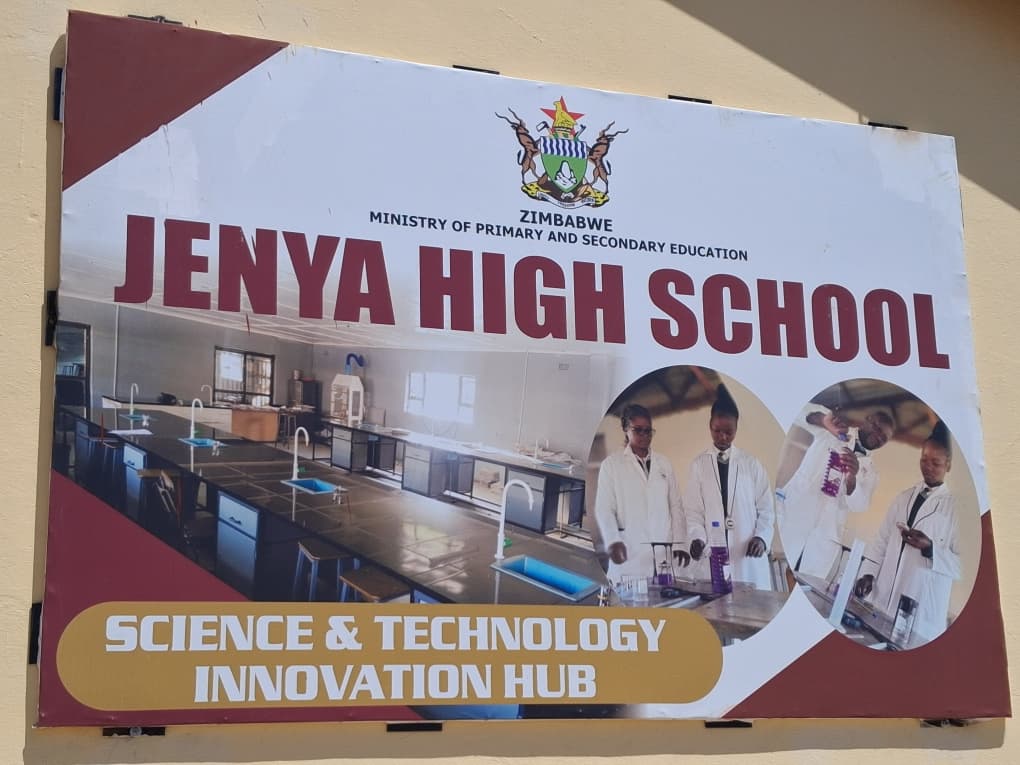
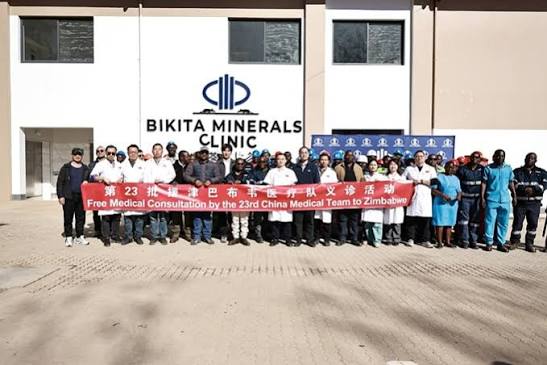
Bikita Minerals says it has drilled dozens of boreholes, rehabilitated roads, supported schools and invested more than US$1 million in a modern clinic.
It has also supported school feeding programmes, with its latest initiative reaching nearly 10,000 pupils across 17 primary schools, according to the company.
A US$22 million power project has also been developed to improve electricity supply to the mine and surrounding areas, while the company says it has expanded local procurement, skills development and community empowerment programmes.
For a rural district where access to water, roads, healthcare and electricity has historically been uneven, such investments matter.
But a mine cannot substitute permanently for a local economy.
That concern is increasingly being voiced by residents and businesspeople who want more local procurement and employment.
In 2024, Bikita residents and entrepreneurs told an EnviroPress/Southern Africa Trust community mining symposium that jobs alone were insufficient and called for greater opportunities for local suppliers and contractors.
The company subsequently announced a locally based procurement policy.
Employment itself remains contested. Bikita Minerals has previously said 80% of its workforce is recruited locally, while some local leaders and youths have challenged whether that commitment is being honoured.
In April 2026, youths again complained about alleged failures to meet local employment expectations.
Then comes the hardest legacy question: the environment.
The company says its environmental management system is ISO 14001:2015 certified and that it is pursuing responsible mining and progressive rehabilitation. Yet environmental disputes have persisted.
In 2024, the Environmental Management Agency said an audit identified violations of the mine’s environmental management plan and resulted in corrective orders and fines.
More recently, villagers have sought greater access to environmental documents and raised concerns about water and the expansion of mining infrastructure.
That makes Bikita’s legacy bigger than lithium.
If the mine can leave behind functioning schools, reliable water, electricity, roads, skilled workers, thriving local businesses and land capable of supporting life after extraction, then the mineral boom will have done more than generate export earnings.
It will have built a community that does not need another mineral rush to survive.
That is ultimately the test of whether Bikita’s lithium story becomes a mining success — or a development success.