EnviroPress Reporter
BIKITA— At the foot of Hanyanya Mountain, the promise of Zimbabwe’s lithium boom meets a more familiar rural reality: women trying to make a living from land and water while a rapidly expanding mine reshapes the landscape around them.
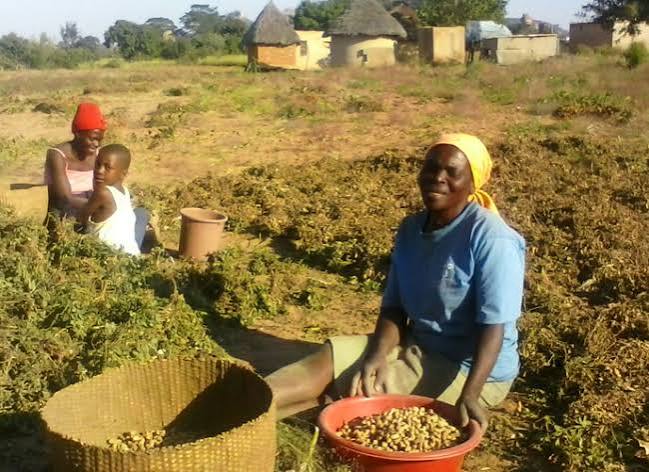
In Vatombe, a community identified in a 2024 study on the gendered impacts of lithium mining, women remain central to subsistence farming and household care.
But researchers say the expansion of lithium extraction is putting pressure on access to land and water, while women face risks of displacement and exclusion from decisions about mining activities.
The tension is part of a wider transformation in Bikita, where mining has long existed alongside agriculture. The district has about 177,000 people and many households depend on subsistence agriculture, trade and mining, according to Rest of World.
The Bikita mine, acquired by China’s Sinomine Resource Group in 2022, has expanded its perimeter as new processing facilities and open-cast pits have been developed.
For women farmers, however, the value of the lithium beneath the soil does not necessarily translate into security above it.
A 2024 investigation by Mail & Guardian documented concerns around Matezva Dam, a key water source for surrounding communities and an irrigation scheme.
The scheme has 50 members, each cultivating about a hectare, with produce sold at Nyika growth point and nearby communities.
Emma Madakadze, the scheme’s secretary, said farmers experienced severe crop losses after an effluent spillage from the mine, including rotting potatoes and beans.
The Environmental Management Agency fined Bikita Minerals US$5,000 over the spillage and ordered corrective measures.
The company said the incident was not harmful and that no chemicals had entered the dam. EMA said the mine subsequently introduced measures including a pretreatment plant and emergency holding pond.
Water remains a central concern. Farmers told Mail & Guardian that declining dam levels threatened irrigation, while Zimbabwe’s water authority disputed claims that the mine was extracting water unsustainably, saying Matezva remained sufficiently full during the 2023–24 season.
The stakes are rising as Bikita Minerals expands. The company says it is pursuing a multimillion-dollar investment to move from lithium concentrate into precursor chemicals, with the first phase of a lithium sulphate project expected in 2027.
Bikita Minerals also says it has invested in water, roads, electricity, health, education and other community initiatives.
Rest of World reported that the company says it has committed more than US$30 million to community investment, while Al Jazeera reported the company’s claims of a US$1 million health facility, nutrition programmes and infrastructure spending.
Yet community advocates say the benefits remain uneven. Farai Maguwu of the Centre for Natural Resource Governance told Al Jazeera that communities around Bikita and other lithium mines continue to report damaged roads, limited employment opportunities, declining livelihoods and inadequate investment in public infrastructure.
For the women farming beside the mine, the lithium beneath their feet represents both opportunity and uncertainty.
As Zimbabwe pushes to extract greater value from its battery minerals, the immediate test in Bikita may be whether the people who depend on the land can secure a meaningful share of that future without losing the farms and water on which their present depends.