EnviroPress Reporter
MBERENGWA — For communities living around Sandawana Mine, 2026 is shaping up as a year in which promises made around Zimbabwe’s lithium boom will be measured against what people can actually see in their villages.
The expectations are straightforward: jobs, reliable roads, water, health services and a greater share of the economic opportunities created by the mineral beneath their feet.
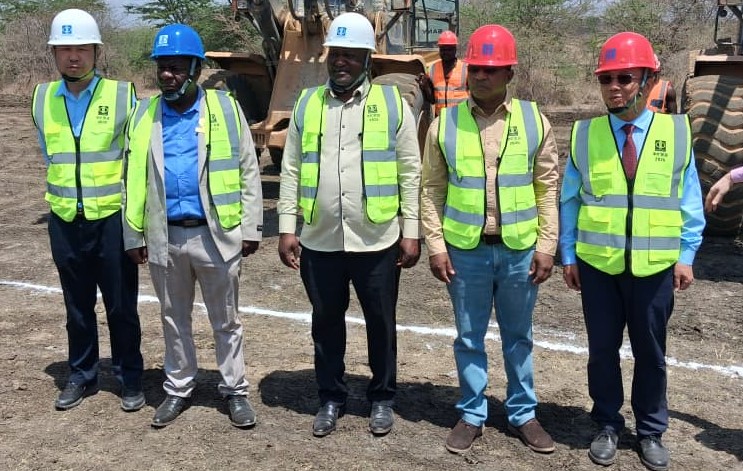
Sandawana, in Mberengwa’s Great Dyke, has grown from a dormant emerald operation into a major lithium project. Its expansion is now entering another phase, with a three-million-tonne-a-year lithium concentrator expected to move into construction in 2026. Government says the project is central to its push for mineral beneficiation and rural industrialisation.
But for villagers, industrialisation cannot remain a promise on paper.
Local employment is perhaps the most immediate demand. Sandawana previously reported employing about 1,500 people, with 80% of positions going to locals. More recently, however, community voices have complained that young people still struggle to access opportunities, particularly where jobs require qualifications they do not possess.
The anticipated expansion has raised the stakes. In November 2025, the mine said the first phase of its processing project could create more than 2,000 jobs, mainly for Mberengwa residents.
Communities also want infrastructure that matches the scale of mining activity. Traditional leaders have repeatedly called for roads used by mine traffic to be upgraded, while concerns over damaged roads and bridges have persisted. Sandawana has reported roadworks and dust-suppression programmes, while the company disclosed about US$475,000 in community-related spending during 2025.
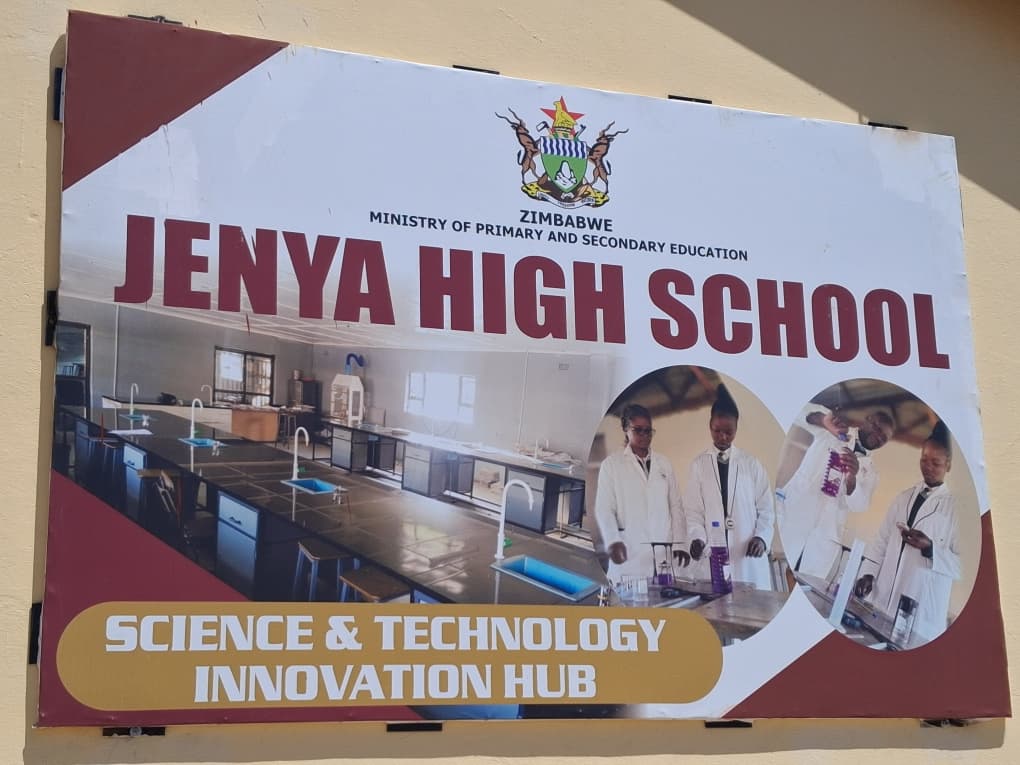
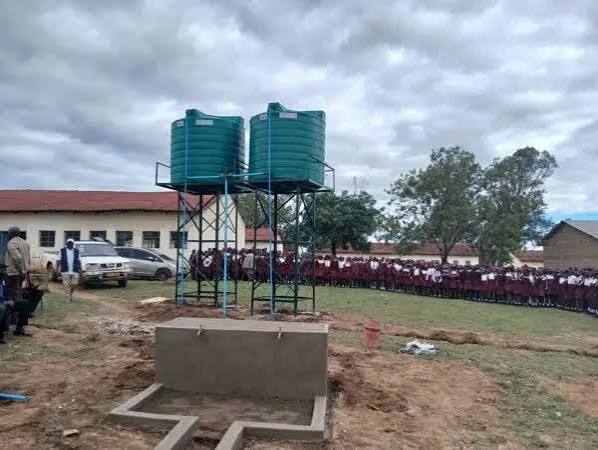
Water and healthcare remain equally important. Earlier engagements identified the need to strengthen the mine clinic and develop broader health services for surrounding communities. Community expectations have also included better schools and local business opportunities.
Then there is the cost of expansion.
A 2025 CNRG study documented complaints from villagers about dust, water and soil pollution, blasting-related cracks in houses and possible displacement as mining expands. A recruitment notice issued in 2026 confirms that relocation of some project-affected community members is now part of the mine expansion programme, with a dedicated officer sought to oversee engagement and livelihood restoration.
That makes compensation, consultation and resettlement more than administrative issues. They are central to whether communities regard the mine’s expansion as development or disruption.
The message emerging from Mberengwa is therefore not anti-mining. It is a demand for a fairer bargain.
As Zimbabwe moves to retain more value from lithium through local processing, residents want the benefits to be felt where the mineral is extracted: in jobs for young people, functioning roads, clean water, accessible healthcare, stronger local businesses and protection of livelihoods.
For Sandawana, 2026 offers an opportunity to turn years of promises and investment announcements into measurable improvements on the ground.