EnviroPress Reporter
For Mberengwa, the promised US$270 million lithium-processing plant at Sandawana Mine is being sold as more than a mining project. It is supposed to bring jobs, infrastructure, skills and a bigger economic footprint to one of Zimbabwe’s mineral-rich but poorly serviced districts.
But with the mine sitting amid communities still struggling with roads, water and electricity, the central question is increasingly simple: how much of Sandawana’s mineral wealth will actually remain in Mberengwa?
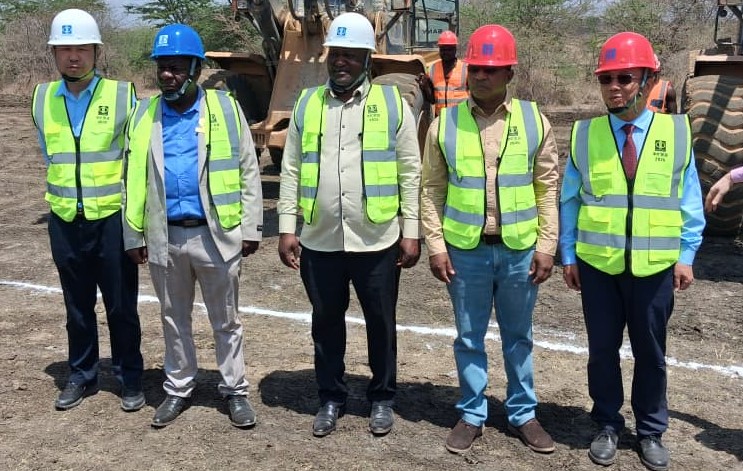
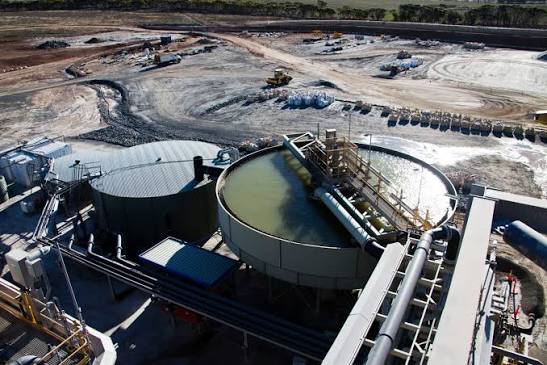
The project, now under state-owned Mutapa Energy Minerals after the restructuring of Kuvimba Mining House, is designed to process about three million tonnes of ore a year and produce up to 600,000 tonnes of lithium concentrate. The plant is being developed under a build-operate-transfer arrangement, with foreign partners expected to operate it before transferring the facility to the Zimbabwean state.
The timing is critical. Zimbabwe intends to prohibit lithium-concentrate exports from January 2027 as part of its push for domestic beneficiation.
Sandawana’s resource story has also grown dramatically. In July, Mutapa Energy Resources announced a JORC-compliant resource of 39.9 million tonnes in Block A alone, covering roughly 30% of its 3,800-hectare mining claim.
For Mberengwa, however, the immediate gains are likely to be measured less in tonnes than in jobs and infrastructure.
Kuvimba said in 2025 that the first phase of the project could create more than 2,000 jobs, mainly for locals. Sandawana has also spent about US$475,000 on community initiatives, including roads, school improvements and boreholes. Nearly US$400,000 reportedly went towards upgrading the 60-kilometre road linking the mine to the main highway.
Those interventions matter because Mberengwa’s infrastructure deficit is severe. The district’s master plan says 62% of its roads are impassable, while many bridges become unusable during the rainy season. Electricity access is equally limited: only 4.9% of households were connected to the national grid, according to data cited in the plan.
Yet community expectations have repeatedly outpaced delivery.
Traditional leaders have demanded better roads, water security, healthcare and the relocation of Sandawana Primary School because of its proximity to mining activities. In 2025, Chief Ngungumbane accused the mining house of failing to deliver several earlier promises, including road reconstruction, clinic upgrades and a solar-power project.
The mine has since expanded its community spending, but residents still face the fundamental question of whether corporate social responsibility will remain dependent on the goodwill and profitability of the mine.
The plant could change that — if local procurement, employment, skills transfer and infrastructure commitments are enforceable rather than aspirational.
The BOT model promises skills transfer as local employees are trained to eventually take over operations. But the deeper economic prize lies beyond the concentrator. A concentrate is still an intermediate product. Zimbabwe’s own policy now points towards further processing into lithium sulphate and ultimately battery-grade materials.
For Mberengwa, therefore, the US$270 million headline is only the beginning.
The real test will be whether the investment leaves behind better roads, reliable water and power, skilled workers, viable local businesses and durable public infrastructure — or simply a larger industrial operation extracting a larger volume of mineral from the district.
Mberengwa has already supplied the resource. The coming years will show whether it also captures a meaningful share of the value.