Tony Phiri
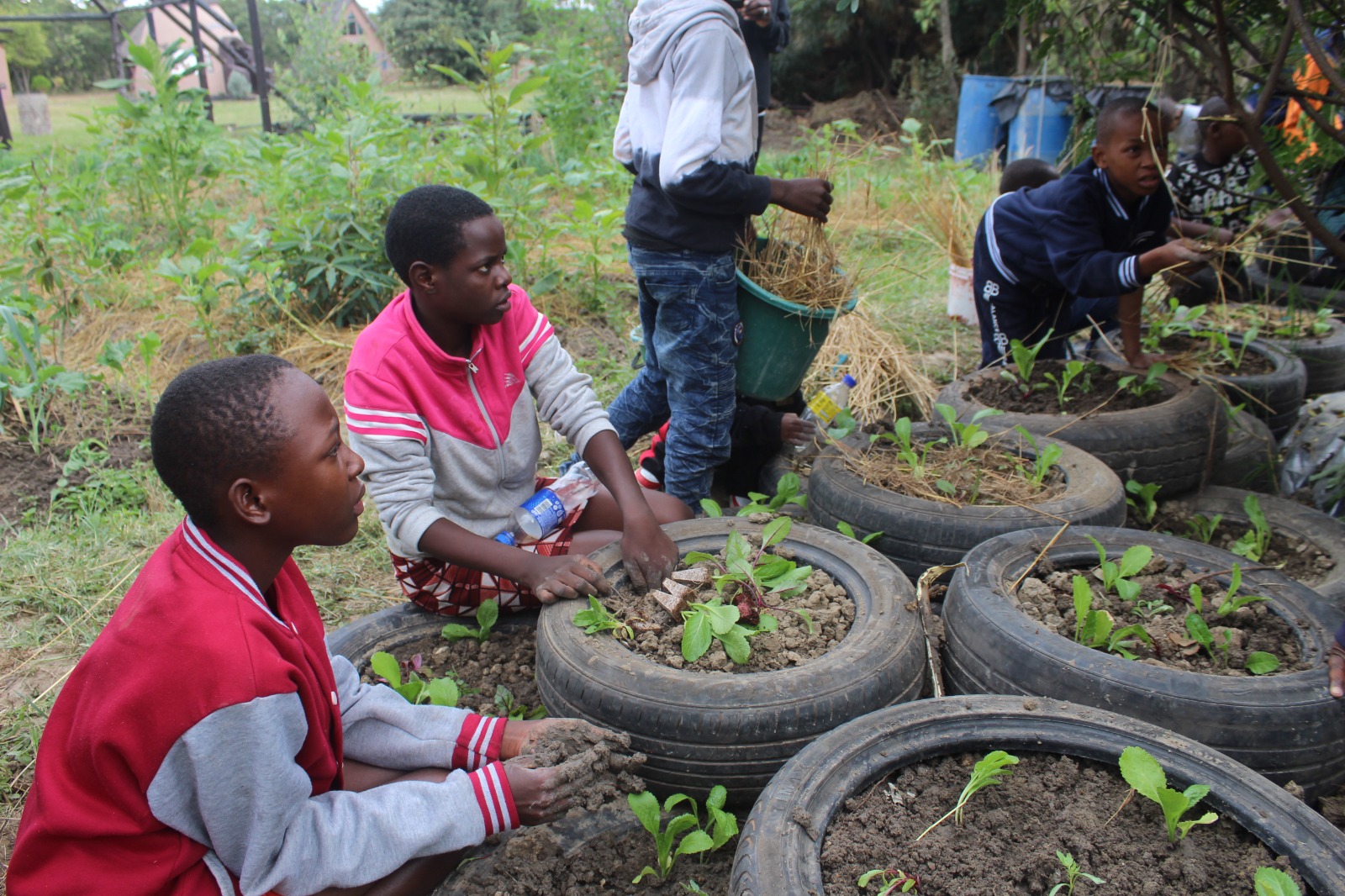
At a time when climate change, food insecurity and environmental degradation continue to threaten communities across Zimbabwe, Scope Zimbabwe last week brought together children, youth, educators and community members for two agroecology camps aimed at promoting sustainable food systems and environmental stewardship through practical learning.
Held under the theme “Re-imagining Food,” the camps took place at the organisation’s Chitubu Ecovillage and Learning Centre in Mount Hampden and attracted participants from primary schools, secondary schools, tertiary institutions and community organisations across the country.
The initiative forms part of Scope Zimbabwe’s broader mission to strengthen sustainable food systems, climate resilience, youth empowerment and environmental education through agroecology and indigenous knowledge systems.
The children’s camp, held from April 22 to 24, hosted learners from Zvimba Primary School, Mazungunye Primary School, Mandindindi Primary School, Mupumbu Primary School, 2 Brigade Primary School, Matoranhembe Primary School and Greenview Primary School, as well as children from surrounding communities.
The youth and young adults’ camp followed from April 28 to 30 and brought together students from University of Zimbabwe, Zimbabwe Ezekiel Guti University, Reformed Church University and Mukoba Teachers College.
Secondary school learners from Seke 3 High School, Chivakanenyanga Secondary School, Mazungunye High School, Duma High School and Mukore High School also participated alongside representatives from PELUM Association Zimbabwe and community members.
According to Scope Zimbabwe, the camps were designed to equip young people with practical agroecological knowledge while strengthening cultural identity, environmental responsibility and active citizenship. The programmes aligned with Zimbabwe’s Heritage-Based Curriculum, Education for Sustainable Development 2030 and Greening the Curriculum initiatives.
Participants engaged in experiential learning activities centred on biodiversity conservation, recycling, soil regeneration, water management, local food systems, seed preservation and community participation.
Learners also took part in kitchen garden design, mobile gardening using recycled materials, composting, micro-drip irrigation, seed collection, nursery establishment and the preparation of nutritious green juices from indigenous foods such as baobab, rosella, ginger, lemons and guavas.
Traditional knowledge systems formed a key component of the camps, with participants exploring totems, storytelling, mbira music, heritage games and local food traditions as a way of reconnecting young people with their cultural and ecological heritage.
One of the key messages promoted during the camps was “My Food is African,” an approach encouraging communities to value indigenous foods, local seed systems and sustainable diets that support both human and environmental health.
Through art, mural presentations, vision boards and collaborative discussions, learners shared ideas on how they envision greener schools, healthier food systems and sustainable communities by 2030.
Guest speakers and agroecology practitioners encouraged participants to view agriculture not only as food production, but also as a pathway towards climate resilience, entrepreneurship, employment creation and community transformation.
Scope Zimbabwe country co-ordinator Dr Linda Kabaira said the camps demonstrate the importance of integrating practical environmental education into learning spaces.
“The camps demonstrate the importance of integrating practical environmental education into learning spaces at a time when Zimbabwe and the world are seeking sustainable solutions to ecological and economic challenges,” said Dr Kabaira.
She said combining indigenous knowledge, agroecology, creative arts and hands-on learning can help young people become active agents in building resilient food systems and environmentally conscious communities.
“By combining indigenous knowledge, agroecology, creative arts and hands-on learning, young people can become active agents in building resilient food systems and environmentally conscious communities for future generations,” she said.