…as civic groups mobilise youth against illicit financial flows, debt crisis
By Edith Mugabe
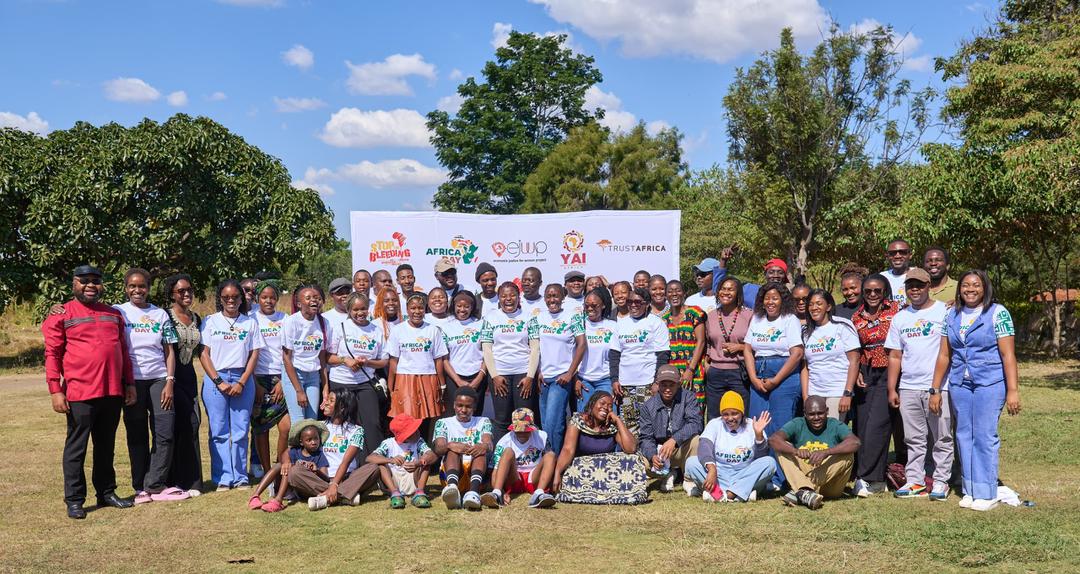
The Economic Justice for Women Project (EJWP), in partnership with Trust Africa and the Youth Accountability Initiative, hosted a pan-African gathering of young people on May 25 to commemorate Africa Day and address the continent’s worsening debt burden.
Running under the theme “Beyond Debt: Reimagining Africa’s Future and Economic Transformation through Youth Voices and Creative Action,” the event brought together young people from across Africa to discuss how the sovereign debt crisis, illicit financial flows, and poor economic governance actively jeopardize their daily lives and the prospects of future generations.
Opening the discussions, Dr. Bethule Nyamambi from Trust Africa urged young Africans to take decisive action and raise their voices collectively to demand debt cancellation.
“We have to play a role and get our voices to be heard. The matter is everybody’s responsibility because it directly affects the future of young people,” said Dr. Nyamambi.
Southern Africa Trust Country Manager and Economic Justice Lead, Janet Mudzviti echoed these sentiments, imploring the youth to view the debt crisis as a deeply personal issue.
“The young people should take this issue seriously and personally,” Mudzviti said. “Think of that little girl who is being married off to an old man because there is no money at home. Think of a girl facing period poverty and failing to go to school because of the impacts of the debt crisis.”
She reiterated that youth must actively occupy spaces where their futures are being decided and consistently participate in high-level decision-making processes.
Margaret Mutsamvi, Director of the Economic Justice for Women Project (EJWP), expressed grave concern over how macroeconomic distress disproportionately impacts young women and girls, specifically in Zimbabwe.
She stressed that severe financial stress and systemic poverty directly trigger spikes in domestic violence, reduce educational opportunities, and limit access to basic necessities.
“Debt crisis affects women in Africa, especially in Zimbabwe, in many ways because when governments struggle with debt, social services are often the first to suffer,” Mutsamvi said. “Women and girls usually carry the biggest burden. We see child marriages increase, alongside poor healthcare services where hospitals lack essential medicines and equipment, directly affecting pregnant women.”
Zimbabwe’s combined external and internal debt is currently estimated to be around US$23 billion, representing a debt to GDP ratio of about 44 percent.