EnviroPress Reporter
MBERENGWA — When lithium mining returned to Sandawana, it arrived with a familiar promise: that the mineral wealth beneath Mberengwa would finally translate into better lives above ground.
More than a year after community leaders publicly pressed the mine to deliver roads, water, schools, health facilities and jobs, the record is mixed — with visible investment in some areas, but major promises still unfinished.
The debate is unfolding as Sandawana’s resource potential grows. In July, state-controlled Mutapa Energy Resources announced a JORC-compliant lithium resource of 39.9 million tonnes from just 30% of its roughly 3,800-hectare claim, leaving most of the concession unexplored.
That raises the stakes for communities living around the mine.
In 2024, Mberengwa traditional leaders demanded better infrastructure and water security, while warning that villagers and Sandawana Primary School could eventually have to move because of mining activity.
The first major test is the roads.
By November 2025, Sandawana said it had spent about US$475,000 on community initiatives. Nearly US$400,000 went towards rehabilitating the 60-kilometre gravel road linking the mine to the Beitbridge road.
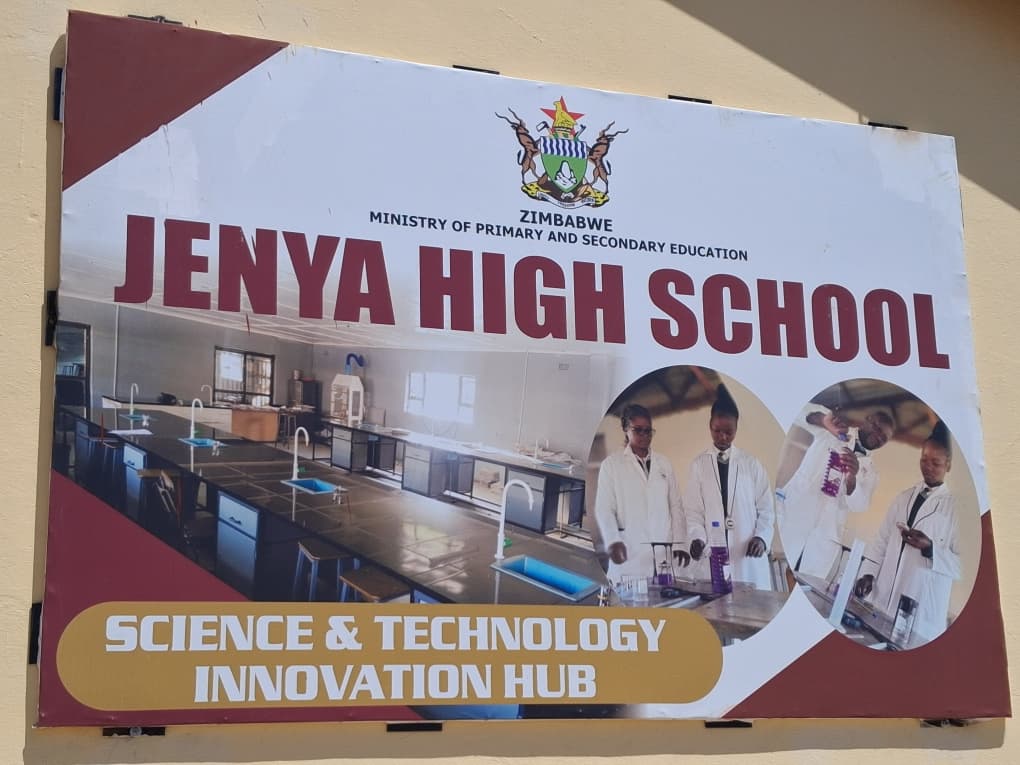
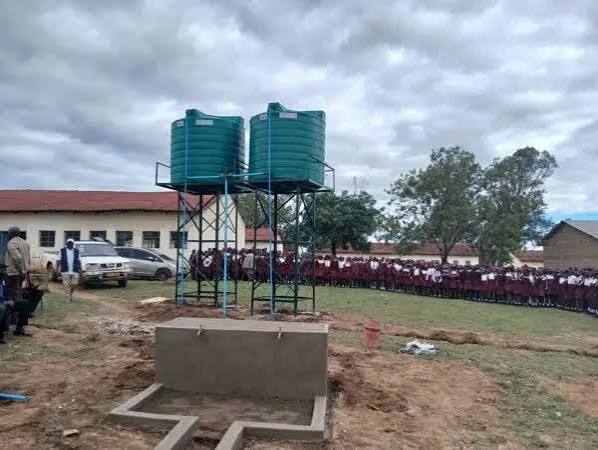
The company said the project was about 75% complete. It also reported three solar-powered boreholes and work at Chebvute Secondary School.
Twenty-six local residents were also employed on road rehabilitation, providing an immediate, if modest, dividend from the mine.
But the jobs story remains complicated.
Earlier, Sandawana had employed about 1,000 locals during a surge in operations, while a CNRG study later reported complaints from villagers who felt excluded from employment and said job requirements disadvantaged people with limited formal education.
The sharpest criticism concerns what has not yet been delivered.
A 2025 CNRG report documented complaints over dust, blasting, water pollution, cracks in houses and possible displacement, alongside accusations that promised employment, a clinic and roads had not adequately reached ordinary villagers.
These are findings and allegations from the civil-society study, not independently established facts.
The company itself has acknowledged that some CSR commitments were delayed by depressed lithium prices and cash-flow constraints.
In February 2026, Mutapa Energy chief executive Innocent Rukweza said planned spending included a clinic, water projects and support for local enterprises.
Meanwhile, the promised industrial expansion is moving forward. Government says Sandawana is being positioned as a major beneficiation hub, while Mutapa has outlined a US$250 million concentrator project.
For villagers, however, the community audit is simpler.
The question is no longer what Sandawana could become.
It is what the mine, now backed by a major resource and renewed investment, will actually leave behind for the people living beside it.
And on that score, the ledger remains unfinished.