…a Chipinge-based cooperative is demonstrating how community cooperation, sustainable farming, and local leadership can drive climate change adaptation
By Nyaradzai Panganai
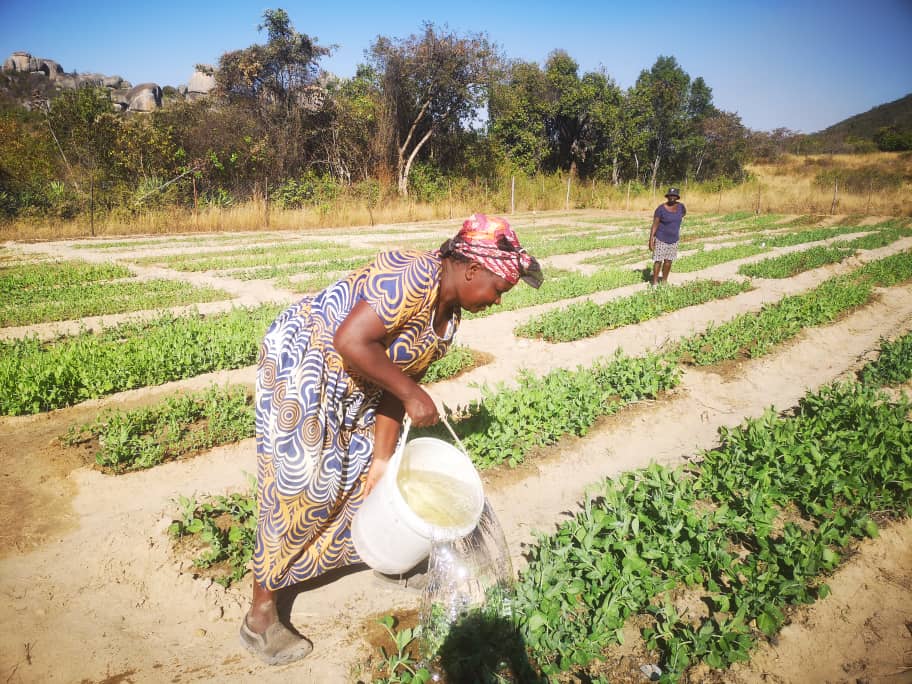
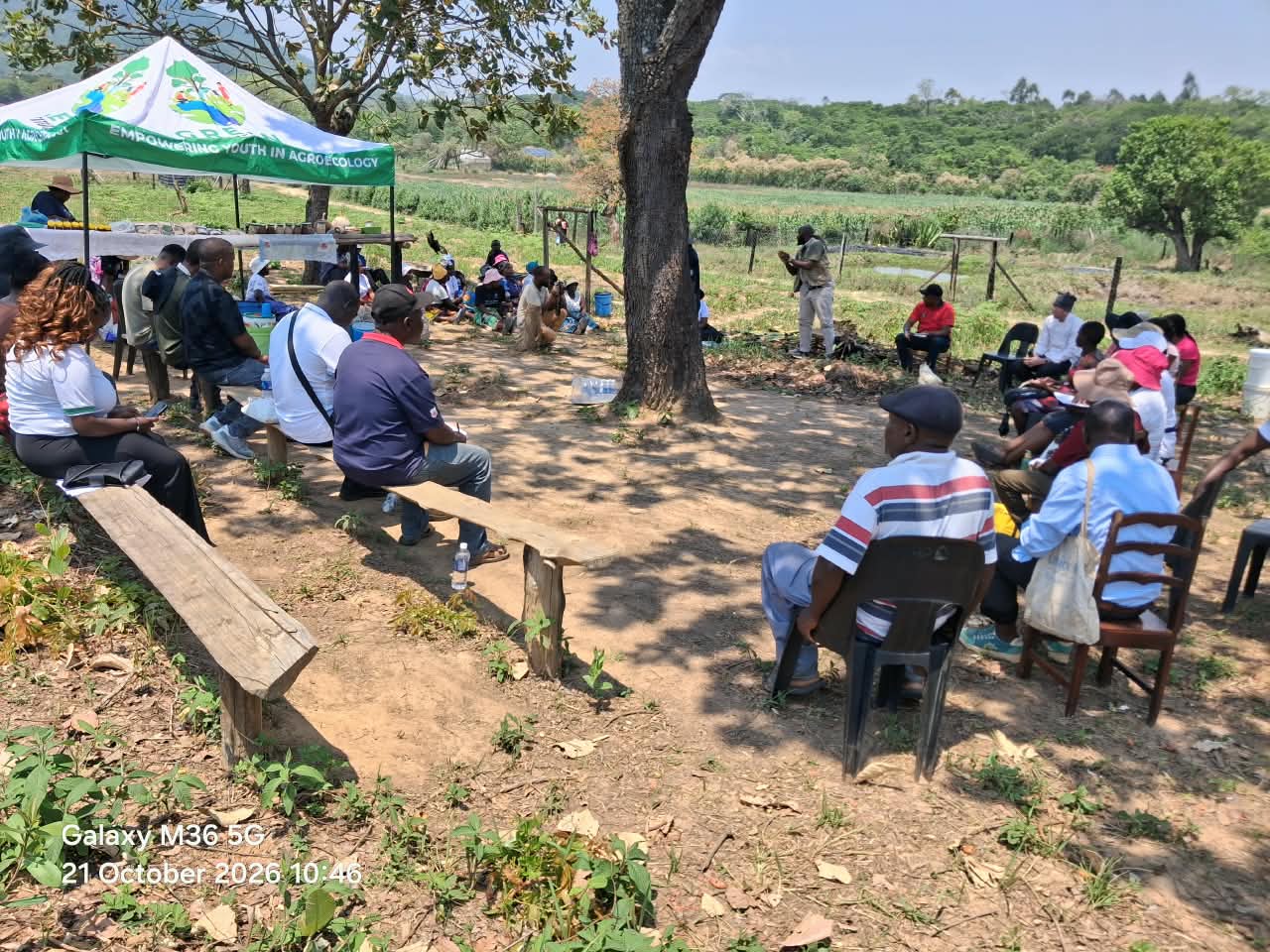
In Muwanga Village, Chipinge district, 85 women and five men run an agroecology cooperative whose work spans vegetable production, aquaculture, fruit orchards, apiculture, and forest conservation.
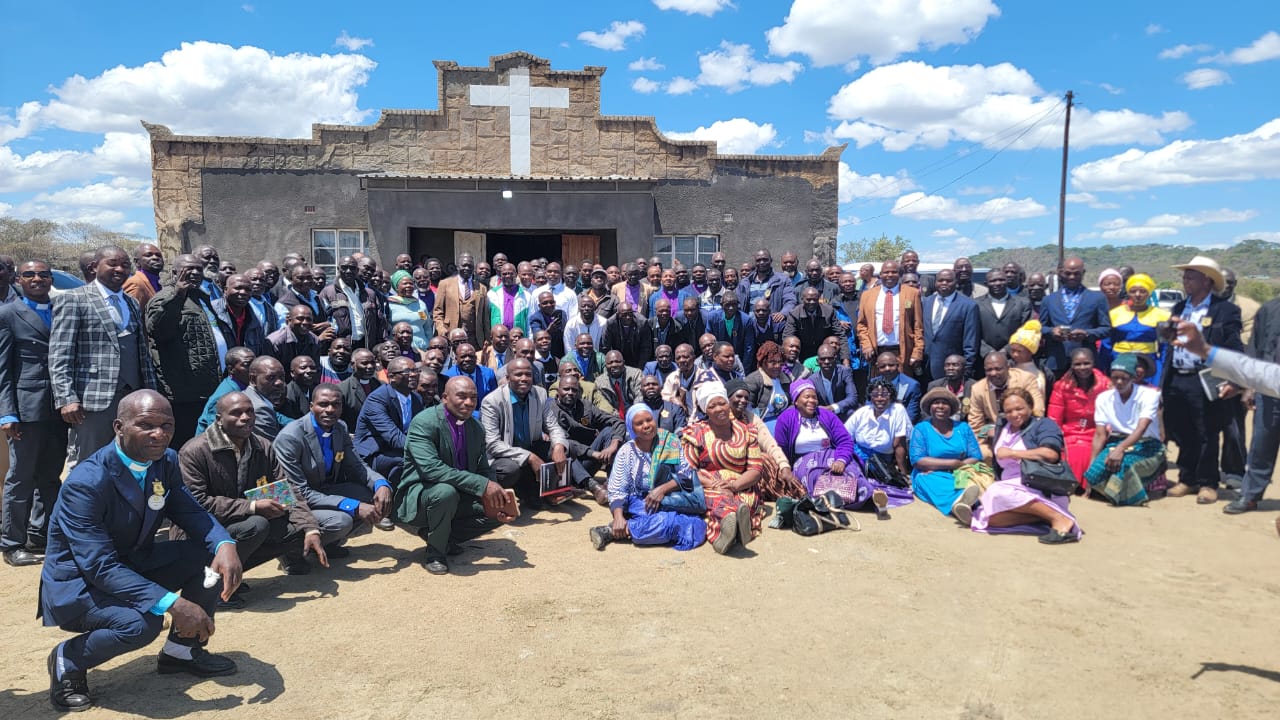
A recent multi-organization study tour organized by COSPE offered a closer look at how the community organizes its agricultural and environmental initiatives, providing key insights into youth participation, managing invasive species, and building strong local partnerships.
Located in Ward 19 near Mt. Selinda under Village Head Shingirai Nyawani and Chief Mapungwana, the hub serves as a learning and experimental site where members test sustainable practices before replicating them at home. Technical support is provided by the Green Institute, a registered community-based organization operating in Chipinge.
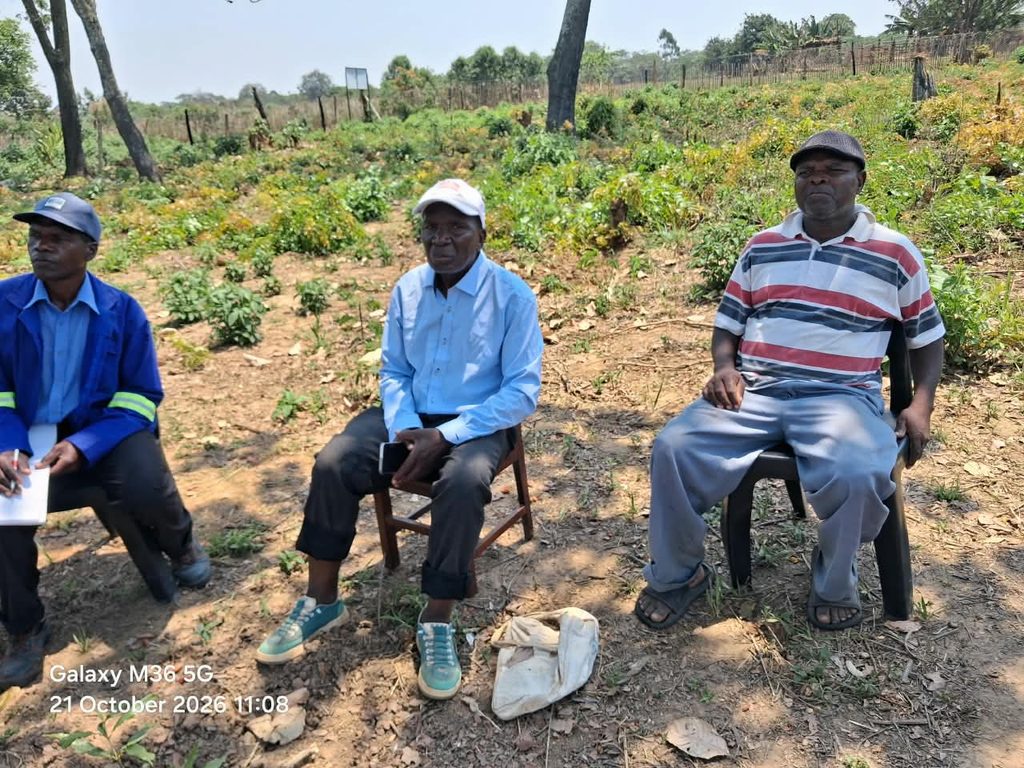
As a women-dominated initiative, the cooperative offers visiting organizations a compelling model for female leadership and participation in collective agricultural production.
At the core of the hub is a one-hectare garden paired with two 500-square-meter greenhouses. Members explain that while open-garden farming relies strictly on natural pesticides and organic fertilizers, the greenhouses serve as a controlled exception to this approach.
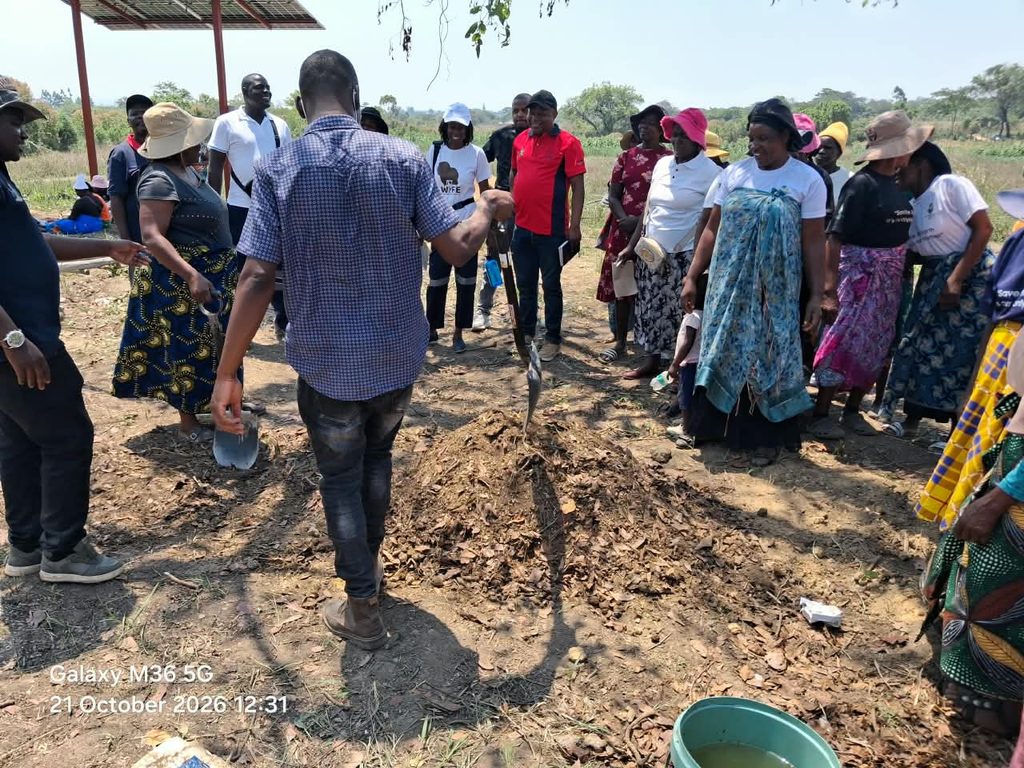
During the visit, members demonstrated how to prepare bokashi, an organic, nutrient-rich soil improver produced through a 12-to-15-day fermentation process. The compost is made by layering topsoil, dried leaves, cow dung, chicken droppings, maize bran, biochar, and molasses or sugar. Demonstrators highlighted the importance of using clean water and keeping the mixture shaded during fermentation.
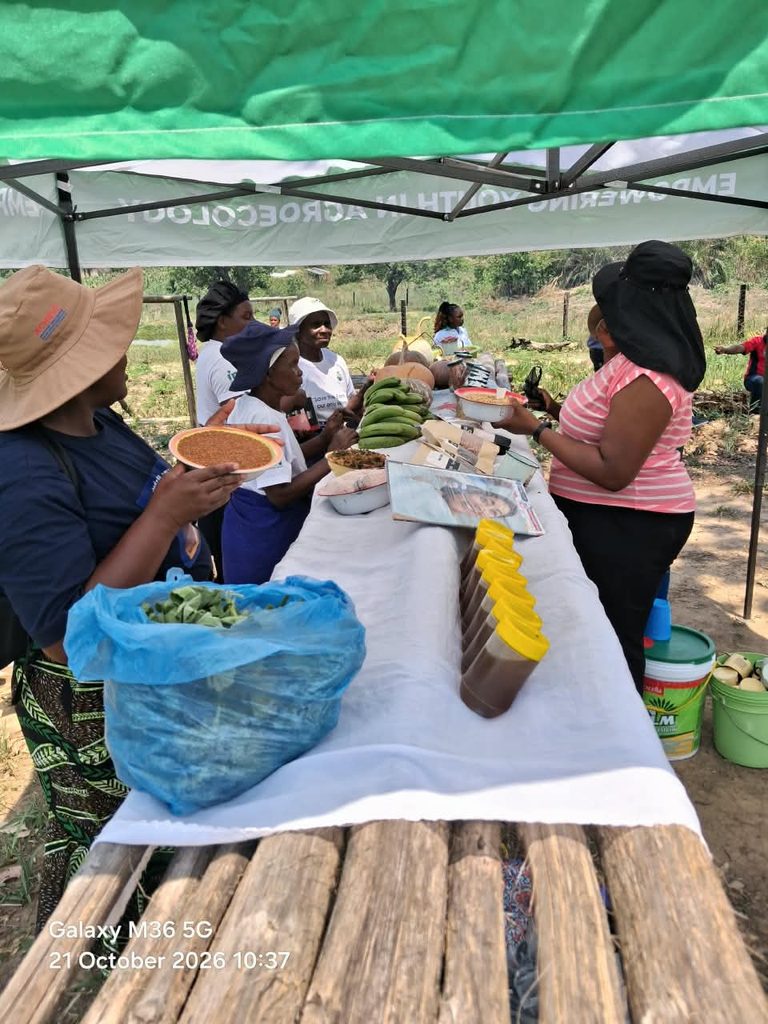
Fruit production is another key pillar, featuring an orchard with 429 trees, including grafted litchi, macadamia, Hass avocado, mango, orange, and pawpaw, alongside a dedicated nursery for grafted orange trees.
Aquaculture and apiculture further diversify the hub’s operations as the site features five fishponds and 200 beehives, with plans to scale up to 800 hives. During the tour, members led a practical session on constructing a Kenyan Top Bar beehive which measured one meter in length with a 40 cm top and 30 cm base width.
It was reported that the Food and Agriculture Organization (FAO) plans to establish a bee-product processing plant at the site and has already begun expanding the hub’s water supply. If realized, the facility will allow the community to process honey and wax locally. Additionally, members are working on cross-border trade agreements with immigration authorities, enabling them to sell produce directly in neighboring Mozambique.
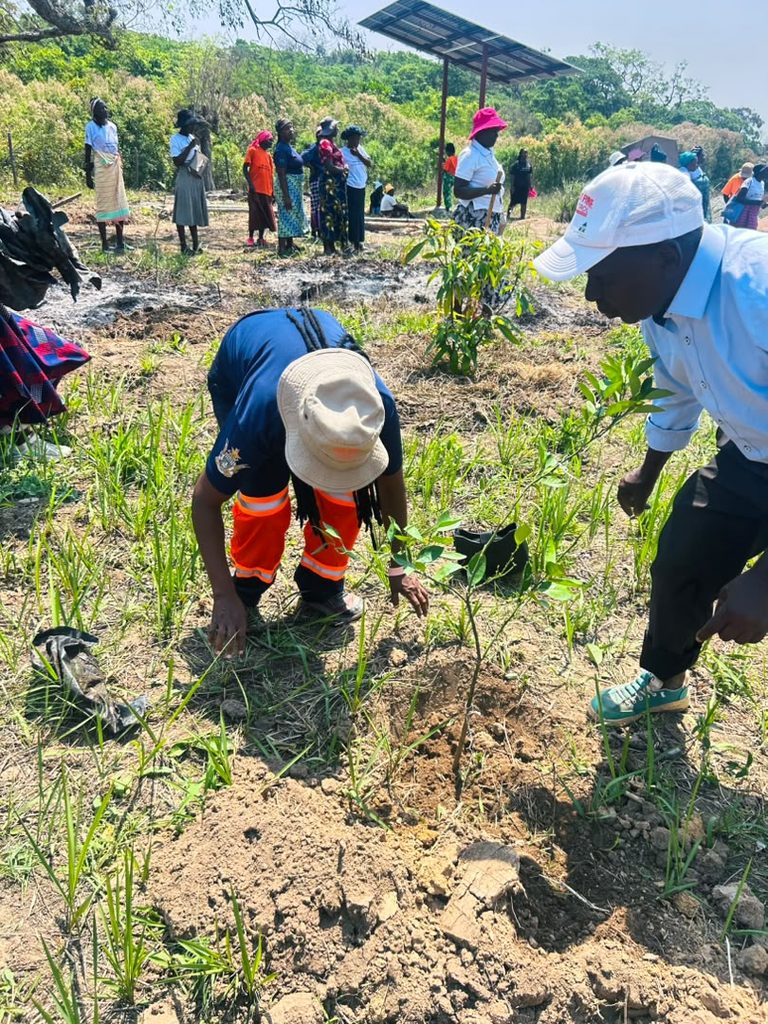
Environmental conservation extends beyond agriculture into the surrounding ecosystem, with members of the hub voluntarily support the preservation of Mt. Selinda’s natural forests by tending a 965-square-meter miombo woodland conservation area. In partnership with local leaders, they have also established a separate three-hectare gum-tree woodlot to sustainably meet fuel and timber needs.
To build long-term sustainability, the Green Institute has set up environmental clubs in 10 local schools, engaging students in conservation efforts. Together with the community, the institute aims to plant 8 000 fruit trees across Ward 19.
However, youth retention remains a critical hurdle since many young people leave the area after secondary school, or drop out entirely, to seek employment in South Africa.
“We started the initiative with young people in mind, but we had to adapt and focus on women across all age groups since most youth migrate as soon as they finish school,” said Green Institute Director Blessing Matasva.
To address this, the Green Institute plans to collaborate with the local Chipinge Vocational Training Centre to offer seed capital and practical skill development, encouraging young people to build livelihoods locally.
The hub also faces ecological challenges, notably the rapid spread of an invasive plant known locally as “Mupesepese” or “Mu2010s” due to its rapid proliferation since 2010. Native to Brazil, the plant spread from Mozambique into Zimbabwe following cyclone events. While it threatens native flora, farmers have adapted by using it as forage for bees and transforming it into biochar for soil moisture retention.
“We call upon researchers to study the plant extensively so we can better understand and utilize its potential benefits,” Matasva said.
Ultimately, local governance has proven to be the initiative’s backbone, as evidenced by the strong involvement of traditional leadership in the initiative.
“The success of this initiative rests on giving traditional leaders room to exercise their roles and engaging stakeholders without overriding established authority. Working hand-in-hand with our village head ensures the community takes true ownership of the project,” said.