EnviroPress Reporter
For communities living around Bikita Minerals in Masvingo, water is not an abstract environmental issue. It is drinking water, livestock, irrigation, fishing and, increasingly, a question of whether lithium mining is being conducted transparently.
The public record shows that Bikita Minerals, owned by China’s Sinomine Resource Group, has faced repeated scrutiny over water management.
In 2023, an effluent spill from the mine entered Matezva Dam, a water source serving hundreds of families and an irrigation scheme in the Bikita-Gutu area.
The Environmental Management Agency (EMA) fined the company US$5,000 — reported as the maximum penalty for such an offence — and ordered a clean-up. EMA later said the mine complied and introduced a pre-treatment plant and emergency holding pond.
But an important question remains: what exactly was in the water?
Reporting at the time found that laboratory testing could not establish the specific contaminants in the discharge.
Bikita Minerals said the spill was not harmful and that tests supported its position, but did not provide the test results to the journalist who requested them.
That gap matters because Matezva is not simply an industrial water body. Farmers reported crop losses and fishermen said fish stocks had declined following the incident.
Those accounts are allegations, not proof that the spill caused every reported impact, but they underline why timely publication of water-quality results is in the public interest.
The controversy extends beyond Matezva.
In Murape, villagers have reported losing access to a long-used community well following construction of mine infrastructure.
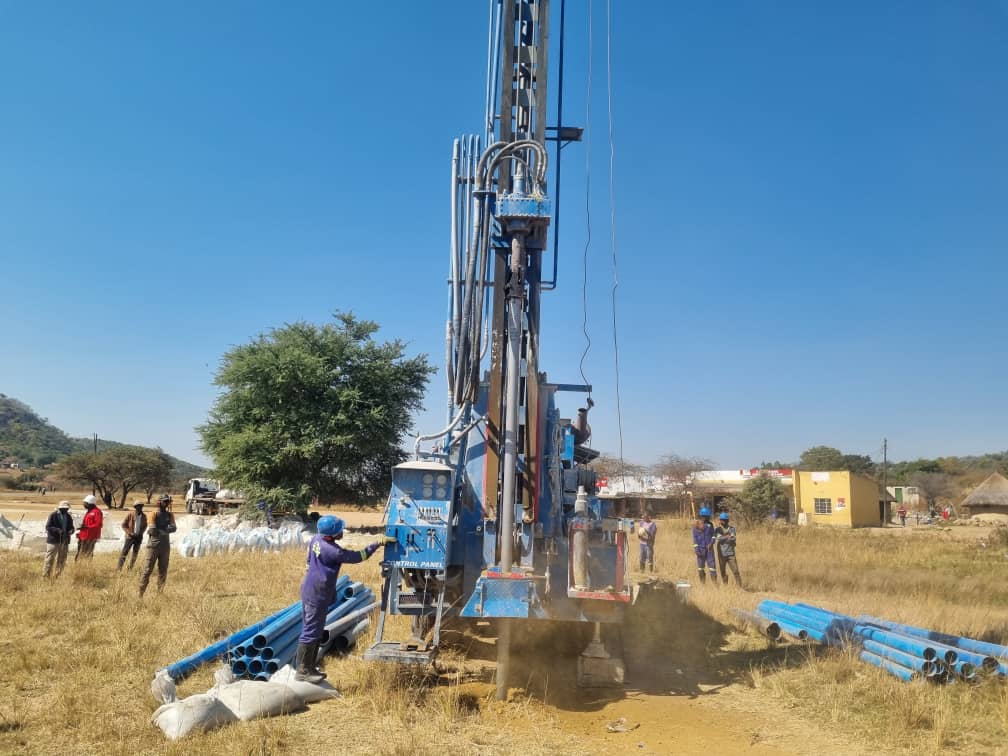
Bikita Minerals disputes aspects of the accounts, saying the well was considered unsafe for human consumption and that it installed a borehole at Beardmore Primary School.
The company has also said it drilled more than 36 boreholes in Bikita West and Masvingo North since 2023.
The Zimbabwe Human Rights Commission subsequently investigated complaints involving environmental and property rights in Murape and recommended, among other measures, additional boreholes and efforts to address the situation of households enclosed by the mine boundary.
For the public, therefore, water disclosure should go beyond assurances that mining is “responsible”.
It should include the mine’s abstraction volumes and permits; discharge records; laboratory results for surface and groundwater; incidents and spills; compliance inspections; environmental impact assessments and management plans; and details of corrective action.
Bikita Minerals says its environmental management system is ISO 14001:2015 certified and that it recognises the environmental consequences of mining and processing.
The challenge is ensuring that this information is accessible not only to regulators and the company, but also to the communities whose lives depend on the water.
As lithium production expands, transparency is no longer a public-relations extra. For people downstream, it is basic environmental accountability.