EnviroPress Reporter
MBERENGWA — At Sandawana, the future is being measured in millions of tonnes and hundreds of millions of United States dollars. In the villages surrounding the mine, it is measured differently — in dusty roads, damaged bridges, water points, jobs and the distance to basic services.
The contrast is becoming sharper as Sandawana emerges as one of Zimbabwe’s most closely watched lithium projects.
In July, state-owned Mutapa Energy Resources announced a 39.9-million-tonne, independently certified lithium resource at Sandawana. The resource covers only Block A, about 30% of the 3,800-hectare mining concession, leaving the company to explore the remaining ground.
Mutapa says it wants to spend another US$18 million on drilling and potentially increase the resource to as much as 90 million tonnes.
The scale has global significance. Lithium is a critical component of batteries used in electric vehicles and energy-storage systems, while Zimbabwe is positioning itself as an increasingly important supplier of battery minerals.
Sandawana is also preparing for a major expansion. Plans announced by its former operator, Kuvimba Mining House, called for a US$270 million concentrator capable of processing 600,000 tonnes of ore annually, with commissioning targeted for early 2027.
The project is expected to deepen local processing rather than leave Zimbabwe dependent on exporting concentrate.
But the economic promise has collided with a much more immediate reality for Mberengwa residents.
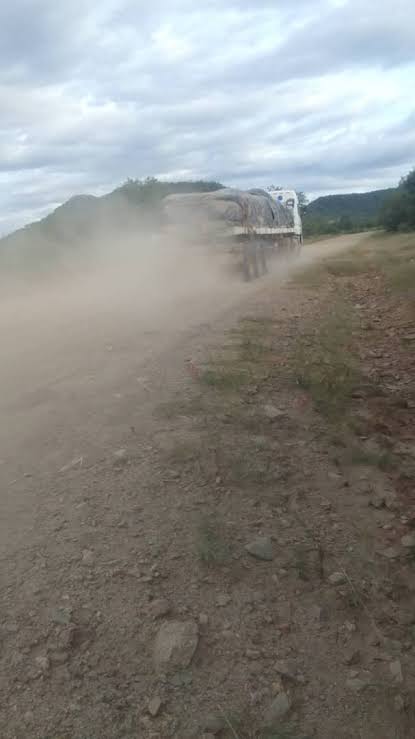
Heavy trucks carrying lithium have placed considerable pressure on roads that were built for far lighter rural traffic.
A 2025 report by the Centre for Natural Resource Governance found that roads and bridges around lithium-producing communities, including Sandawana, had deteriorated under the weight and volume of haulage. Researchers observed a collapsed bridge along the Sandawana gravel road.
Local officials have also raised concerns over dust and road safety. Mberengwa Ward 29 councillor Collen Mhloro told EnviroPress that more than 40 heavy vehicles a day were using one route to transport ore to Gwanda for processing, increasing pressure on the road network and dust pollution affecting nearby villages.
The costs are not confined to roads.
Traditional leaders have repeatedly demanded better water supplies, clinics, schools and employment, arguing that mineral wealth extracted from Mberengwa should translate into visible development for the people living beside the deposits.
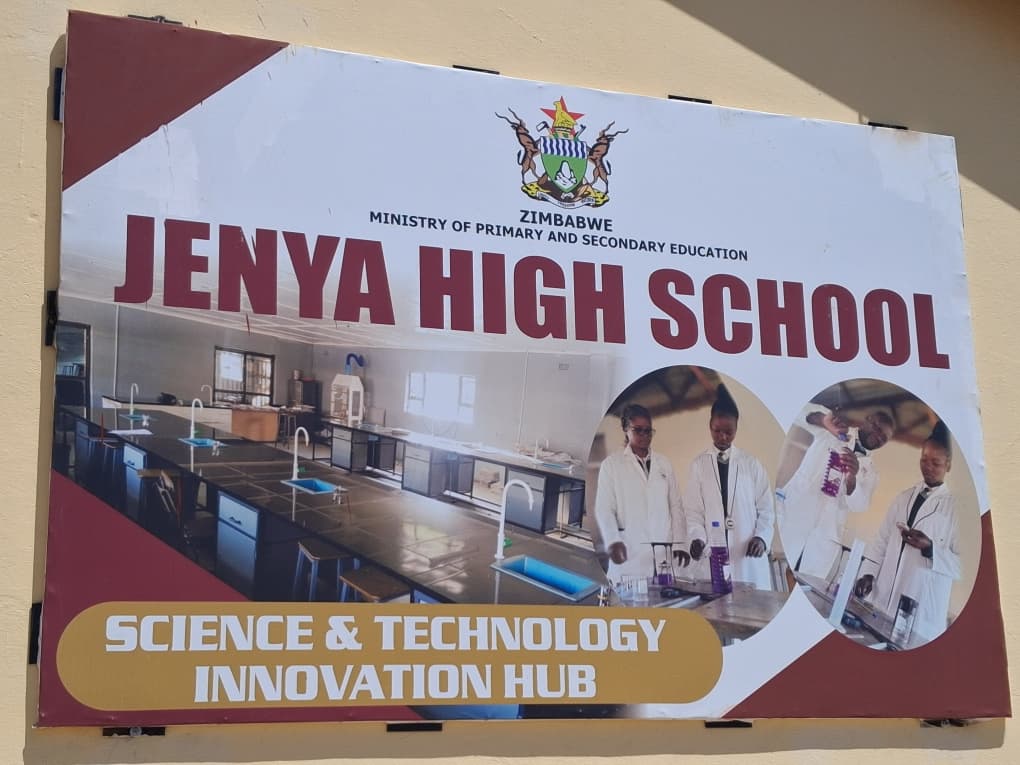
In 2023, Sandawana management said it would invest US$110 million in road maintenance and develop schools and healthcare facilities.
There has been movement. In 2025, Sandawana reported spending nearly US$500,000 on community initiatives, including about US$400,000 on a 60-kilometre gravel road, while boreholes and school renovations were also undertaken. The mine has also employed local residents in road rehabilitation.
Yet community expectations remain high. A 2025 CNRG assessment documented concerns over water, pollution, employment, infrastructure and the uneven distribution of mining benefits.
That is the central challenge facing Sandawana.
For investors and the global battery industry, the mine represents a potentially bankable lithium asset of international significance.
For Mberengwa families, its success will ultimately be judged much closer to home: by whether the roads survive the trucks, whether water reaches households, whether local people secure meaningful jobs and whether the mineral beneath their feet leaves behind more than a bigger balance sheet.
The global market may determine lithium’s price. Mberengwa will bear the local cost — and demand a share of the value.