EnviroPress Reporter
MBERENGWA — For communities living around Sandawana Mine, the lithium beneath the Mweza Mountain Range has brought a difficult question: how can a resource that promises jobs, investment and national revenue also protect the people whose land, grazing areas and livelihoods surround the mine?
Sandawana, a historic emerald operation now being developed as a major lithium project by Kuvimba Mining House, sits on a concession of about 3,882 hectares stretching roughly 21 kilometres along the mountain range.
The area also contains tantalite, mica, emeralds and gold.
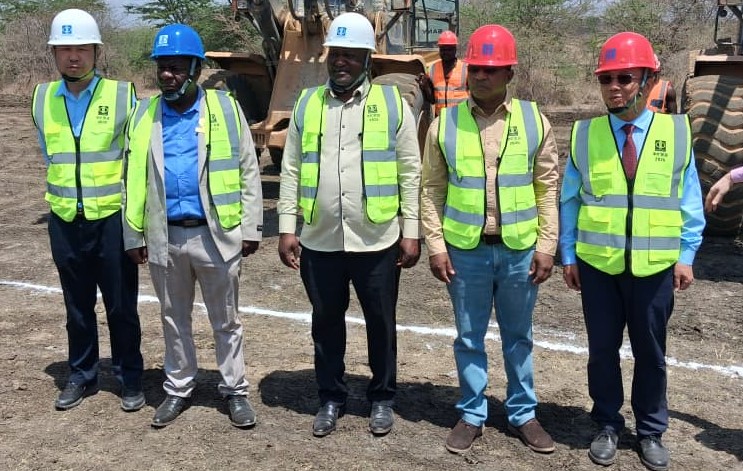
The stakes are rising. Kuvimba has been pursuing a major lithium processing project, with the company saying in November 2025 that agreements with partners had been finalised and that construction was awaiting Cabinet approval.
The first phase was projected to create more than 2,000 jobs, mainly for people from Mberengwa.
But development has collided with longstanding questions over who gets to decide what happens on mineral-rich land.
In 2023, Mberengwa traditional leaders asked Kuvimba to surrender some lithium claims so local communities could participate through tributary arrangements.
The company rejected the proposal, arguing that it could not hand over portions of its mining claims, but offered community empowerment and development initiatives instead.
That disagreement points to a larger gap: consultation is not necessarily consent.
Zimbabwe’s Environmental Management Act requires environmental impact assessment reports to record the results of public consultations.
The law therefore provides a formal avenue for communities to be heard. But it does not automatically give communities a veto over a mining project.
Meanwhile, the country’s Constitution protects property rights and provides safeguards around compulsory deprivation, including notice and compensation in applicable circumstances.
Communal land, however, is treated differently under Zimbabwe’s land laws, complicating the practical question of whose consent is required when mining changes access to grazing, water or farmland.
The human cost of that uncertainty is already visible.
Traditional leaders have raised concerns about roads, water, health facilities and the safety of Sandawana Primary School, which has been considered for relocation because of its proximity to mining activities.
Independent research has also found concerns about inadequate community participation, environmental impacts and transparency around mining benefits.
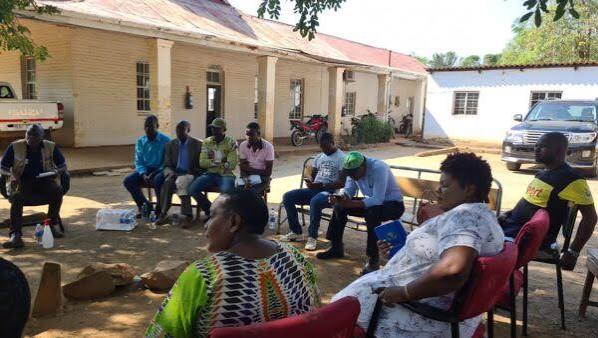
A 2026 study by Boston University’s Global Development Policy Center said community members and civil society representatives questioned whether existing consultation mechanisms were sufficiently comprehensive, while noting that Kuvimba says it engages chiefs and seeks a “social license” from communities.
The lesson from Sandawana is therefore not that mining should stop. It is that the rules governing community participation must catch up with the scale and speed of the lithium boom.
A fairer consent process would mean communities receiving information before decisions are made, independent advice on land and compensation, transparent agreements, accessible grievance mechanisms and a clear record showing how community objections were addressed.
It would also mean benefits reaching beyond traditional leaders and company balance sheets to households whose grazing land, water sources and livelihoods are affected.
Zimbabwe wants Sandawana to become a symbol of mineral-led industrialisation. For that promise to hold, the people living above the lithium must not become an afterthought to the wealth beneath their feet.