EnviroPress Reporter
MBERENGWA — For decades, the hills around Sandawana have yielded riches while many people living beside them have remained poor. Now, as lithium turns the old emerald fields into a strategic asset in the global energy transition, Mberengwa faces a familiar question: can mining finally produce lasting local development — without leaving communities to carry the costs?
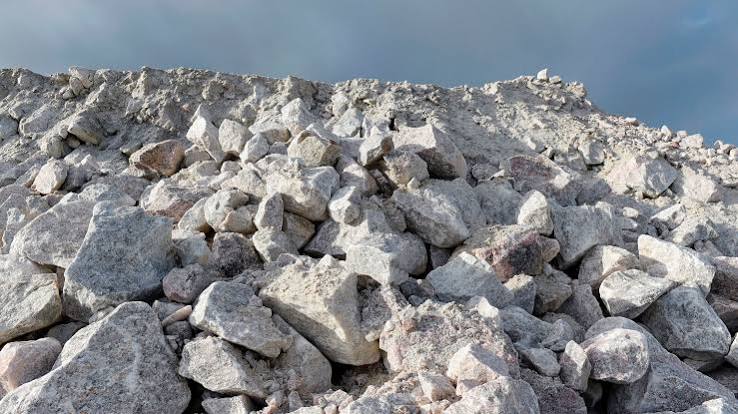
Sandawana Mine’s revival has already transformed the rural landscape. The mine, historically famous for high-quality emeralds, became the centre of a lithium rush in 2022, drawing about 5,000 artisanal miners and fortune-seekers, according to research by the Centre for Natural Resource Governance (CNRG).
The rush exposed the fault lines that any “just transition” in Mberengwa must address.
Villagers interviewed in CNRG research have reported displacement, environmental damage, disrupted livelihoods and exclusion from the formal lithium economy.
A 2025 account of the study said residents complained of cracks in houses, blasting-related disruption, inadequate consultation and limited employment opportunities, particularly for women.
The district’s mining history offers a warning. A Midlands State University study found that successive mining operations in Mberengwa displaced communities, affected agriculture and, after mine closures, left workers unemployed and communities vulnerable to poverty.
It also recorded local demands for mining that delivers genuine development.
Sandawana is now being presented as an opportunity to break that cycle.
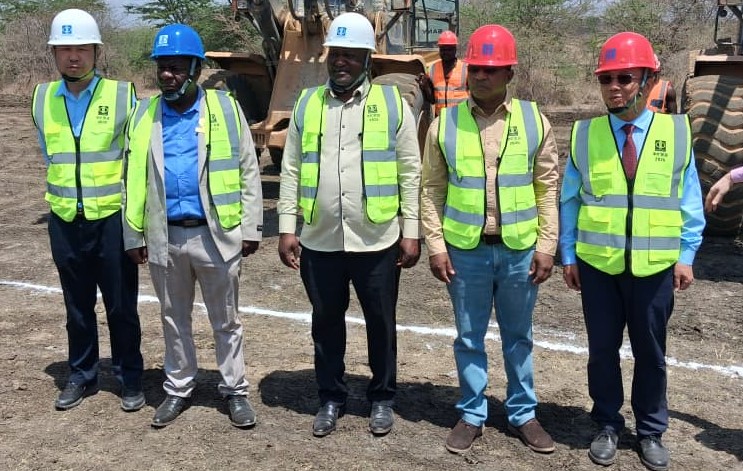
Kuvimba Mining House has been pursuing a US$270 million lithium concentrator, designed to process 600,000 tonnes of ore annually.
By November 2025, the company said partnership agreements had been completed and Cabinet approval remained a key step. The first phase was projected to create more than 2,000 jobs, mainly for Mberengwa residents.
That promise matters because Zimbabwe is simultaneously tightening the rules around lithium.
The government intends to end exports of lithium concentrate from January 2027, pushing miners towards domestic processing and greater value addition.
In April 2026, authorities also tied export quotas to commitments on local processing, financial disclosure and labour, safety and environmental standards.
For Mberengwa, however, beneficiation cannot simply mean moving a processing plant closer to the mine.
A credible just-transition blueprint would need to put local jobs, skills training, small businesses, women and former artisanal miners at the centre of the lithium economy.
It would also require transparent compensation and resettlement, protection of agricultural land and water, independent environmental monitoring, safe roads and meaningful community participation.
The need is visible beyond the mine fence. In 2024, CITE reported that trucks carrying lithium from Sandawana were spilling rocks onto roads used by villagers and motorists, while overloaded vehicles were putting pressure on infrastructure.
The challenge, therefore, is bigger than lithium.
Mberengwa has an opportunity to turn Sandawana from another chapter in its extractive history into a test case for responsible critical-mineral development — where the value of the resource is measured not only in tonnes and export earnings, but in schools, livelihoods, skills, infrastructure, environmental security and the ability of communities to remain prosperous after the mineral boom ends.
That is the real test of a just transition: whether Mberengwa’s future can outlast its lithium.