EnviroPress Reporter
For Bikita Minerals, Zimbabwe’s sudden clampdown on mineral exports has turned what was once a straightforward mining-and-export business into a race against time.
On February 25, 2026, the government suspended exports of all raw minerals and lithium concentrates with immediate effect, including shipments already in transit. Authorities cited concerns over mineral leakages, export malpractices and the need to strengthen local value addition.
The shock was particularly significant for Bikita, one of Zimbabwe’s biggest lithium operations and a major employer in rural Masvingo.
Owned by Chinese mining group Sinomine Resource Group, Bikita has undergone a dramatic expansion since its acquisition in 2022. Its two major processing projects have reached designed capacity, with the mine capable of producing about 300,000 tonnes a year of chemical-grade petalite concentrate and another 300,000 tonnes of spodumene concentrate.
The February suspension therefore threatened more than export revenue. It put pressure on production, logistics, contractors and the wider local economy that has grown around the mine.
But the ban did not remain an outright shutdown.
In April, Zimbabwe introduced a quota-based system under which selected large-scale producers could resume concentrate exports subject to tighter conditions. These included local-processing commitments, financial disclosure and compliance with labour, safety and environmental requirements.
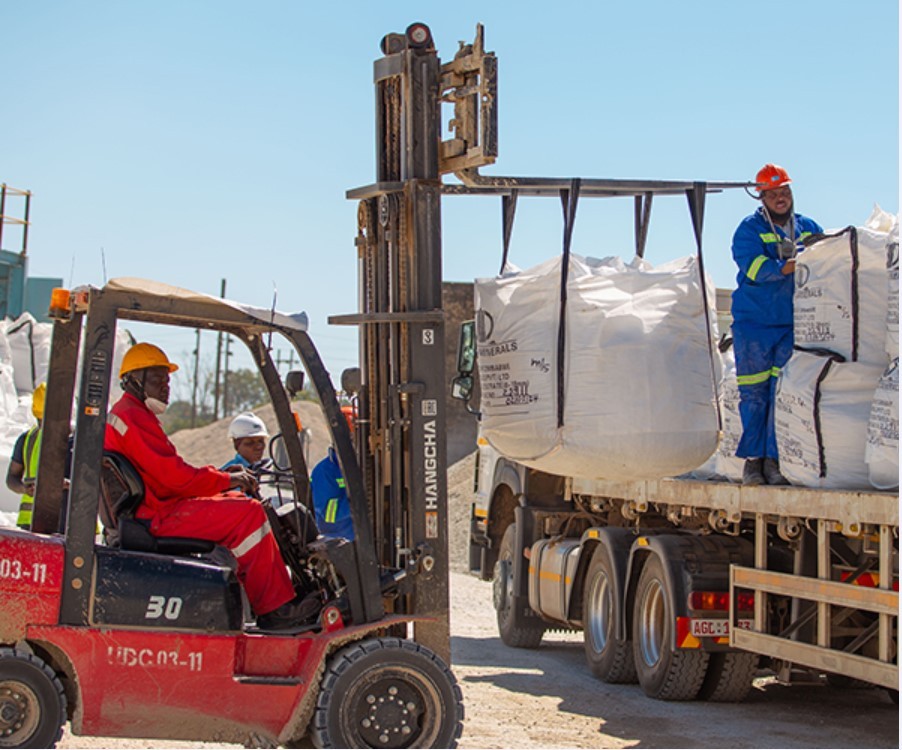
Bikita subsequently secured an export licence and resumed lithium concentrate exports in May, according to a company statement reported at the time.
The reprieve, however, is temporary.
Government has maintained its plan to end lithium-concentrate exports altogether from January 2027. The policy is intended to force miners further up the value chain, from concentrate towards lithium sulphate, carbonate and hydroxide — products with considerably greater economic value than material shipped overseas for processing.
For Bikita, that means the next phase of its expansion is arguably more important than the mine’s ability to dig more ore.
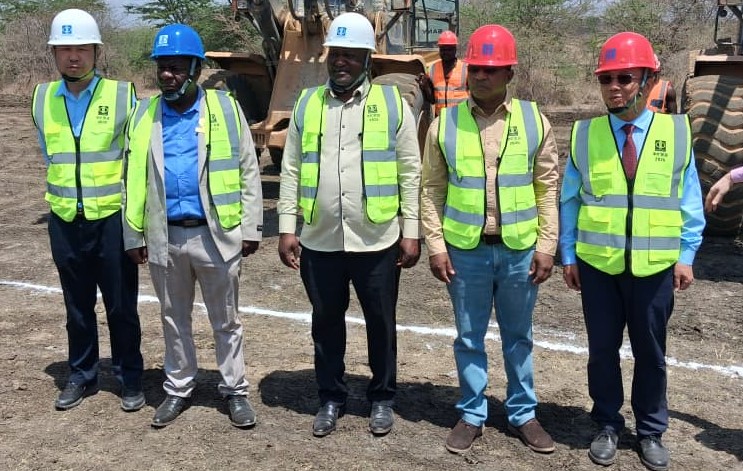
Sinomine is developing a lithium sulphate plant at Bikita, with the company reporting that construction of a 100,000-tonne-per-year facility is being accelerated. Reuters reported in February that the planned investment was worth about US$500 million.
The pressure is considerable. As of June, only Huayou’s lithium sulphate plant was fully operational in Zimbabwe, while Bikita and other producers were still developing their facilities. Industry players have warned that the January 2027 deadline could be difficult to meet.
For communities around Bikita, the stakes are equally high.
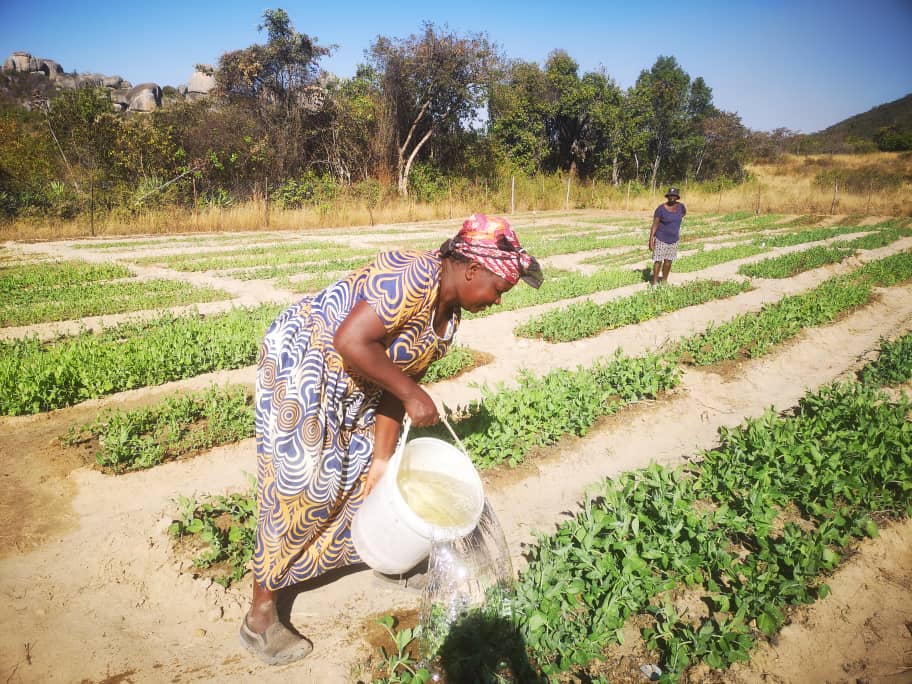
The district has about 156,000 people and depends heavily on agriculture, small businesses and emerging mining activity. Bikita Minerals has invested in community projects including boreholes, roads, healthcare and education, but residents and local businesses have also questioned how much of the mineral boom is translating into opportunities for them.
That makes the export ban more than a dispute over government policy.
It is a test of whether Zimbabwe can turn Bikita’s lithium wealth into a deeper local industry — and whether the benefits will reach beyond the mine’s gates.
For Bikita Minerals, the message from Harare is now clear: exporting concentrate may keep the mine moving for the moment, but processing it in Zimbabwe is becoming the price of staying in business.