EnviroPress Reporter
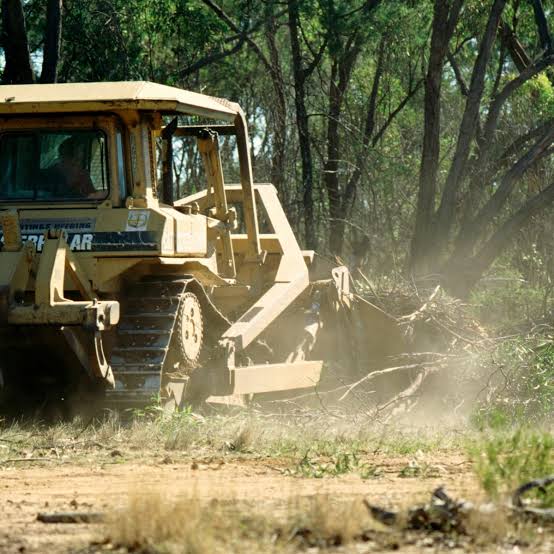
The lithium beneath Zimbabwe’s Mweza Range is attracting billions of dollars in potential investment. But before the next bulldozer cuts into the hills around Sandawana, environmentalists and communities face a more basic question: what will be left of the landscape when the minerals are gone?
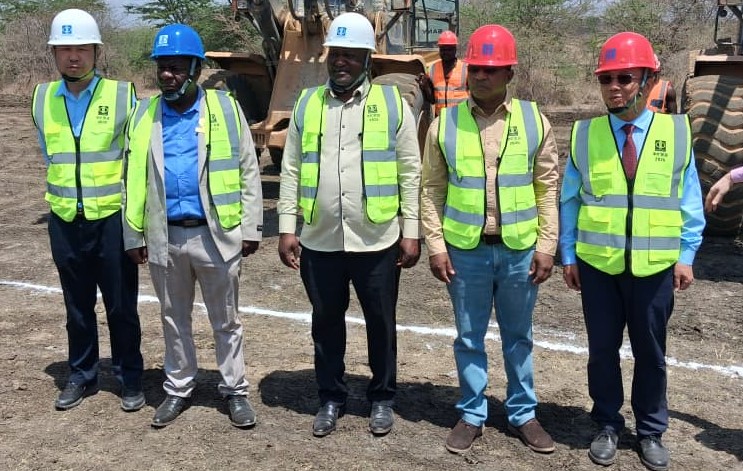
Sandawana Mine, in Mberengwa District, Midlands Province, is entering a new phase of expansion. In July 2026, state-owned Mutapa Energy Resources announced a certified 39.9-million-tonne lithium resource at the project.
The resource covers about 30% of its roughly 3,800-hectare concession, leaving substantial ground available for further exploration. The company also plans a second exploration programme involving 23,500 metres of drilling and about 8,500 samples.
That scale of activity puts the surrounding ecosystem under increasing pressure.
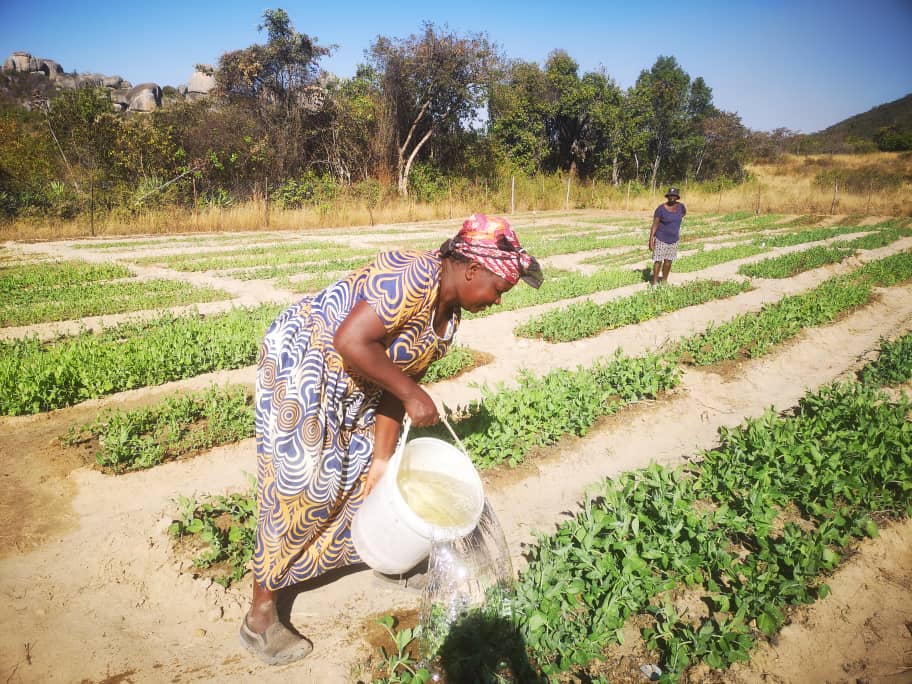
The Sandawana claims stretch along the southern slopes of the Mweza Range, adjoining densely populated communal land.
To the south, historical geological research records a 16-kilometre boundary with the Bubiana Conservancy, part of a large wildlife landscape. The same research describes the area’s natural vegetation as open savanna dominated by species including msasa, mountain acacia, red grass and spear grass.
Mberengwa’s wider landscape is also recognised for its biological richness. Research on the district notes that mopane woodlands occupy much of the lowveld and that wildlife continues to survive in neighbouring ranches and conservancies, including the Bubye Valley and Bubiana areas.
The district’s rivers and varied habitats make it an important ecological as well as mineral landscape.
Mining inevitably changes that balance.
A 2025 baseline study by the Centre for Natural Resource Governance (CNRG), based on field observations and interviews with villagers, reported concerns over vegetation clearing, soil disturbance, water pollution, erosion and habitat destruction linked to lithium mining at Sandawana. Residents also reported dust, blasting and concerns about the effects of mining on homes, farming and access to natural resources. These are allegations contained in the CNRG study, rather than independently established findings.
The environmental risks are not theoretical. Zimbabwe’s Environmental Management Agency (EMA) identifies destruction of vegetation, land and water pollution and hazardous-substance mismanagement among the risks associated with mining.
Mining and quarrying projects are required to undergo an Environmental and Social Impact Assessment before implementation, with environmental management plans and monitoring forming part of the process.
Sandawana’s management has previously said it has an EIA covering exploration and that mitigation and rehabilitation measures are being followed.
The company has also said future phases of development would require additional EIA approval.
The challenge now is ensuring that those assessments do more than satisfy regulatory requirements.
With lithium demand pushing Sandawana towards deeper exploration and larger-scale production, biodiversity needs to be mapped before vegetation is cleared, water sources altered or habitats fragmented.
The Mweza Range is not simply a geological deposit. It is also farmland, woodland, grassland and part of a wider wildlife landscape.
For Mberengwa, the real measure of the lithium boom may therefore be what survives after the bulldozers have moved on.