EnviroPress Reporter
BIKITA, Masvingo — For a community sitting on one of Zimbabwe’s most valuable lithium deposits, the question is no longer whether Bikita Minerals is spending money around the mine, but whether the benefits are reaching the people who bear the costs of expansion.
The answer, available evidence suggests, is mixed.
Bikita Minerals, now controlled by China’s Sinomine Resource Group, says its social investment extends across education, health, roads, water and livelihoods. The company says it has invested more than US$12.5 million in community initiatives, including boreholes, road maintenance, school programmes, skills development and health support. It also says 80% of its employees are recruited locally.
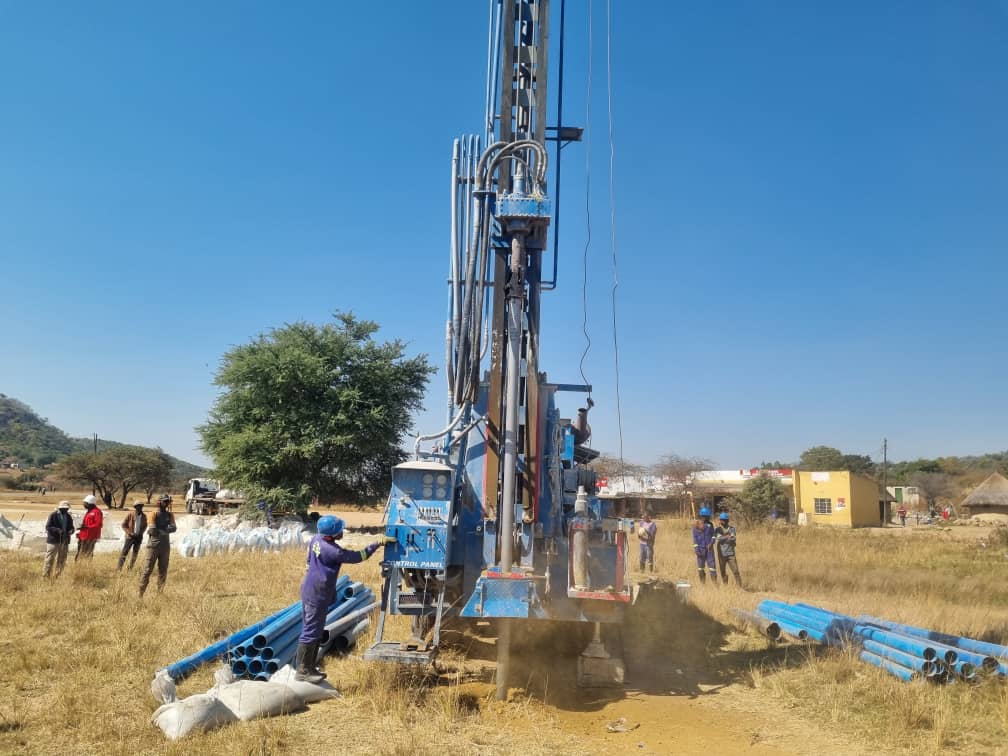
There are tangible projects. The company says it drilled 33 boreholes, rehabilitated roads and built a US$1 million mine clinic. It has also supported schools and runs a feeding programme benefiting about 8,000 pupils at nine primary schools, according to its own CSR publications.
Bikita Rural District Council has previously acknowledged the mine’s contribution, citing support to schools, clinics, water infrastructure and other public facilities.
But the dividend has not been uniformly felt.
The mine’s expansion has brought land and relocation disputes to the centre of the community debate. A 2026 ActionAid Zimbabwe case study found that mining-induced relocation evolved into a negotiated process after community participation and rights-based intervention.
In one dispute involving nine households, the company eventually agreed to a relocation package that included US$1,500 in cash and 20 tonnes of quarry stone per household, according to EnviroPress. The agreement followed mediation after residents challenged the manner in which relocation was being handled.
The contrast is stark: while the mine points to roads, boreholes, clinics and school feeding as evidence of its contribution, affected residents have had to negotiate over the value and conditions of moving from land they occupy.
The question of direct community benefit also remains unsettled. In 2024, Chief Marozva said Bikita Minerals had committed US$32,000 for community development, but that only US$1,000 had been released at the time, which had gone towards medical expenses for a child. The chief said the wider allocation was intended for projects including a library and traditional court.
There is also a historical complication. Zimbabwe’s Bikita Community Share Ownership Scheme was created to ensure mining communities benefited from mineral wealth.
A parliamentary report records an initial US$193,000 injection by Bikita Minerals and projects including classroom blocks. Yet recent research has called for the revival of the community share scheme and greater transparency in agreements between the mine, council and community.
As lithium transforms Bikita into an increasingly strategic mining district, the test of the “community dividend” will therefore be measured beyond ribbon-cutting ceremonies.
For residents, the real dividend is whether mining leaves behind secure livelihoods, functioning infrastructure, meaningful participation and fair treatment — not simply a bigger mine.