EnviroPress Reporter
BIKITA— For communities living around Bikita Minerals, the lithium boom has brought a question that is becoming harder to ignore: if the mineral beneath their feet is helping power Zimbabwe’s ambitions for a new industrial economy, why do many local families still struggle to see the wealth around them?
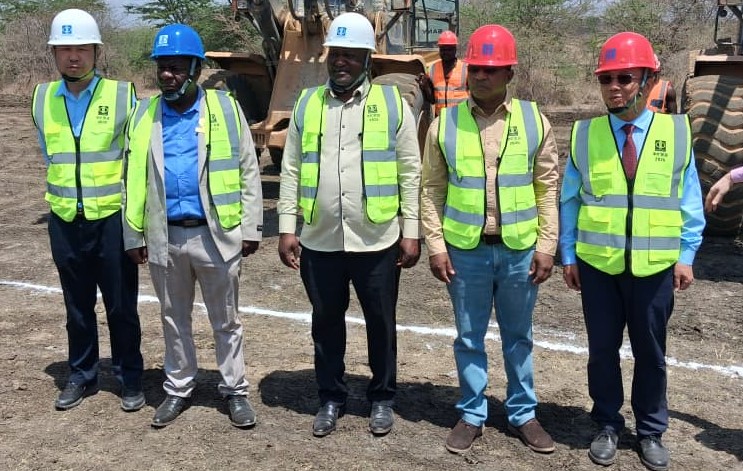
The question has become more urgent since Chinese company Sinomine Resource Group bought Bikita Minerals for US$180 million in 2022 and subsequently invested more than US$300 million in exploration and production expansion, according to the company.
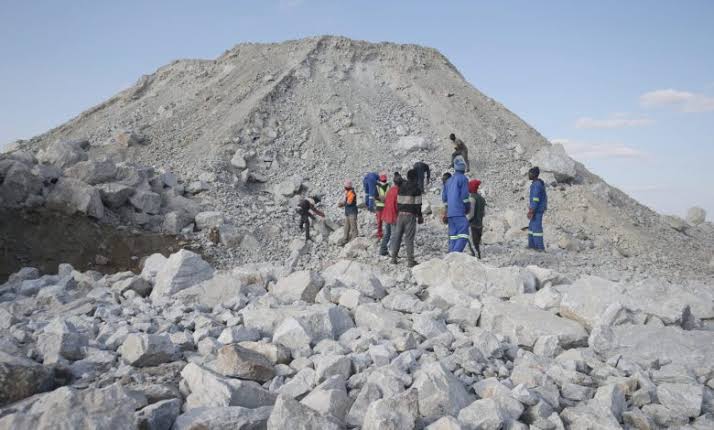
Bikita is now one of Zimbabwe’s major lithium operations. In 2023, the mine projected exports of US$500 million that year, rising to US$800 million by 2025. The wider lithium industry has since expanded rapidly, with Zimbabwe exporting 1.128 million tonnes of spodumene concentrate in 2025, much of it destined for China.
But the prosperity visible in export figures has not translated uniformly into household wealth.
A 2025 study by Southern Africa Resource Watch found that Bikita Rural District Council received no mining royalties, although the mine paid unit tax. The council said such payments averaged about US$24,000 annually between 2009 and 2021, rising to US$100,000 in 2023.
Local procurement is another fault line. Residents and businesspeople have complained that the mine sources goods and services from outside Bikita, limiting the multiplier effect of mining on local businesses.
Employment figures tell a similarly complicated story. Bikita Minerals says 80% of its workforce is recruited locally and reported 1,150 employees plus 1,400 contractor workers in a 2024 response to criticism. Yet Ward 9 councillor Surprise Pembere disputed the extent of local recruitment, saying many workers were outsiders and that local young people remained unemployed.
The mine points to substantial community investment. It says it has spent more than US$12.5 million on boreholes, roads, schools, healthcare and skills development. It has also invested US$22 million in a 110-kilometre powerline linking Tokwe and Bikita, while company and Sinomine reports cite dozens of boreholes and infrastructure projects.
Those interventions matter in a rural district where water, electricity, roads and healthcare remain critical. But development projects cannot erase the deeper question of who bears the costs of extraction.
Mine expansion has displaced families and disrupted access to farmland and other resources. ActionAid Zimbabwe’s 2026 Bikita case study found that relocation, initially marked by serious community concerns, evolved towards a negotiated process after civil-society intervention. Other investigations have documented complaints about lost land and water access, while Bikita Minerals has disputed environmental allegations and said it has provided alternative water sources.
The stakes are now national. Zimbabwe has moved aggressively towards beneficiation, banning lithium-concentrate exports in February 2026 amid concerns about leakages and the loss of value overseas. Sinomine has announced plans for a US$500 million lithium sulphate plant at Bikita, although it remains behind Zimbabwe’s already operational local processing capacity elsewhere.
So, who benefits?
The answer is not simply the mining company, the government or the villagers. All receive something. The unresolved issue is whether they receive anything close to their fair share.
For Bikita’s communities, the real measure of the lithium boom may therefore not be the value of the next export shipment, but whether mining leaves behind businesses that can survive, roads that remain, families with secure land, decent jobs and public services strong enough to outlive the ore.
That is the dividend residents are waiting to unwrap.