EnviroPress Reporter
As Zimbabweans prepare for the festive season, the mining boom around Sandawana in Mberengwa is creating a parallel economic story: the minerals beneath the ground are increasingly shaping the livelihoods, businesses and spending patterns of communities above it.
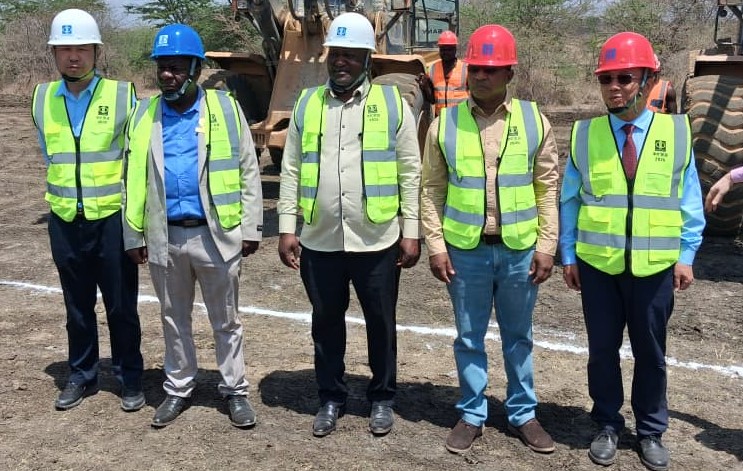
Sandawana Mine, operated by state-owned Kuvimba Mining House, has moved from its historic identity as an emerald producer to a major lithium project. The mine sits on a 3,882-hectare concession believed to contain lithium as well as emeralds, tantalite, mica, copper and gold.
That mineral wealth is already being felt beyond the mine fence.
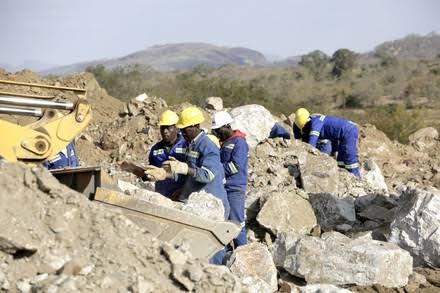
In 2024, Sandawana reported creating more than 1,000 local jobs in three months, providing income to households in a district where formal employment opportunities are limited. Local leaders said the new wages were beginning to circulate through the wider economy.
The effect is particularly visible around business centres serving the mining area. During the earlier lithium rush, Jeka and Chingechuru reportedly transformed rapidly as mineral buyers, truckers, workers and fortune-seekers converged on the area. Traders saw increased demand for food, accommodation and other basic goods and services.
For small businesses, the festive season could therefore provide an important test of whether mining income is translating into sustained local economic activity.
But the picture is far from uniformly positive.
A 2025 study by the Centre for Natural Resource Governance (CNRG), based on interviews and field observations in Mberengwa, reported complaints from villagers about exclusion from mining opportunities, environmental pressures and the limited delivery of promised community infrastructure. The report also found that the influx of workers was placing additional pressure on already weak social infrastructure.
Traditional leaders have previously called on Kuvimba to improve roads, healthcare and access to clean water, arguing that communities hosting the mineral wealth should see tangible development from mining.
The stakes are rising. Kuvimba has planned a US$270 million lithium concentrator at Sandawana, designed to process about 600,000 tonnes of ore annually, with commissioning targeted for early 2027. The project is intended to increase local beneficiation and could deepen the mine’s economic footprint in Mberengwa.
Yet lithium prices have faced a severe downturn, with Reuters reporting in 2025 that prices had fallen almost 90% over two years amid oversupply. That volatility means mining-dependent communities cannot assume that today’s income boom will automatically translate into long-term prosperity.
For traders and households around Sandawana, the festive season will consequently be more than a period of Christmas spending. It will offer another measure of how deeply mining money has entered the local economy — and whether the mineral boom is producing a durable community economy or simply a temporary surge in consumption.