Rutendo Chirume
MBERENGWA— The reopening and expansion of Sandawana Mine has created a growing market for goods and services in one of Zimbabwe’s traditionally underdeveloped mining districts, but publicly available evidence suggests that women-owned businesses are yet to be clearly counted among the beneficiaries of the mine’s supply chain.
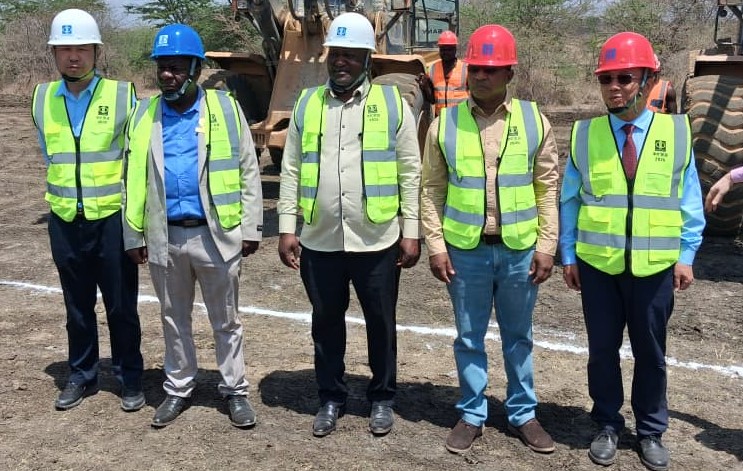
Sandawana, in Mberengwa District, has emerged as one of Zimbabwe’s major lithium projects after historically being associated with emeralds and tantalite. The mine is operated through Kuvimba Mining House, and its revival has brought a significant increase in economic activity around the operation.
Local businesses are already supplying goods and services to the mine, according to reports from Mberengwa. Traditional leaders have also repeatedly urged the company to give preference to local suppliers, arguing that mining should create opportunities beyond direct employment.
For women entrepreneurs, however, the opportunity comes against a difficult backdrop.
A 2025 report by the Centre for Natural Resource Governance (CNRG) found that lithium mining had increased cash flows in Mberengwa and created opportunities for local businesses. The report cites a woman business owner who expanded her guesthouse operations to accommodate increased demand associated with the mining influx.
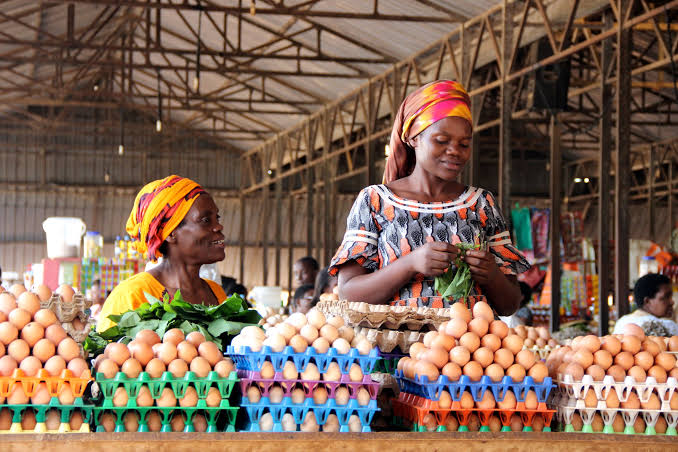
That experience illustrates how mining supply chains can extend well beyond contracts directly signed with a mine. Accommodation, catering, transport, retail, cleaning, protective clothing, construction and other services can all become part of the economic ecosystem surrounding a large operation.
Yet there is little publicly available information identifying how many of Sandawana’s suppliers are women-owned, how much the mine spends with such businesses or whether women entrepreneurs have dedicated access to procurement opportunities.
The gap is significant because women have historically struggled to secure meaningful positions in Zimbabwe’s mining value chains. A Zimbabwe Gender Commission study found that women’s participation remains constrained by the predominantly male character of the mining sector, while research on women miners in Mberengwa identified only 20 active women miners in a 2019 assessment.
Sandawana’s own employment figures show some movement on gender inclusion. In 2023, reports indicated that about 20 percent of roughly 1,000 local employees were women. By the end of 2024, Kuvimba said women accounted for more than half of Sandawana’s approximately 700 employees.
The mine is also expected to become a larger economic engine. In November 2025, Kuvimba said a planned lithium processing plant could create more than 2,000 jobs in its initial phase, predominantly for people from Mberengwa.
That expansion raises a pressing question: will women-owned enterprises be positioned to capture a meaningful share of the business generated by Sandawana?
For Mberengwa women who have already demonstrated their ability to respond to mining-driven demand, the answer could determine whether Sandawana becomes simply a source of employment—or a catalyst for women to build sustainable businesses within the district’s emerging lithium economy.
The publicly available record shows that local procurement is being demanded and local businesses are benefiting. What remains largely invisible is the gender of those businesses—and, consequently, the scale of women’s participation in Sandawana’s supply chain.