EnviroPress Reporter
For generations, the people of Mberengwa have lived beside minerals that have made their district famous but have rarely transformed everyday life.
Now, as Sandawana Mine moves from its emerald legacy into the lithium age, the question facing the community is no longer simply how much mineral can be extracted, but what a genuinely green mine should leave behind.
Sandawana, about 65 kilometres south of Mberengwa town, was once synonymous with its distinctive emeralds.
The deposits helped establish the mine as an important operation from the late 1950s. Today, lithium has put the area back at the centre of Zimbabwe’s mining ambitions.
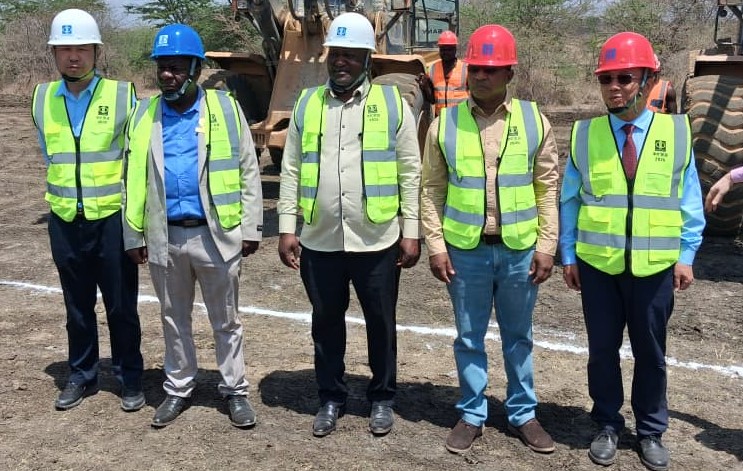
Kuvimba Mining House, which controls Sandawana, has been developing plans for a major lithium operation.
In 2024, the company signed a US$310 million deal with British and Chinese investors for a processing plant designed to handle up to three million tonnes of ore a year and produce about 600,000 tonnes of lithium concentrate annually.
But for villagers living around Sandawana, the green-energy story begins with more immediate concerns: water, roads, dust, safety, jobs and farmland.
A 2025 report by the Centre for Natural Resource Governance documented complaints from villagers about dust, blasting, vegetation clearance, possible displacement and pressure on local resources. Residents also raised concerns about employment and community benefits.
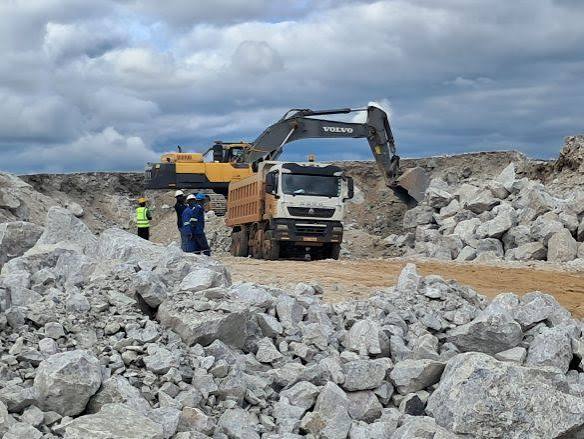
The condition of roads has become particularly contentious. Heavy trucks carrying lithium ore from Sandawana to a processing facility in Gwanda have been blamed for damaging local roads and increasing dust around villages.
A 2024 investigation by CITE also reported that uncovered loads of lithium-bearing rock were spilling onto roads, creating hazards for motorists and pedestrians.
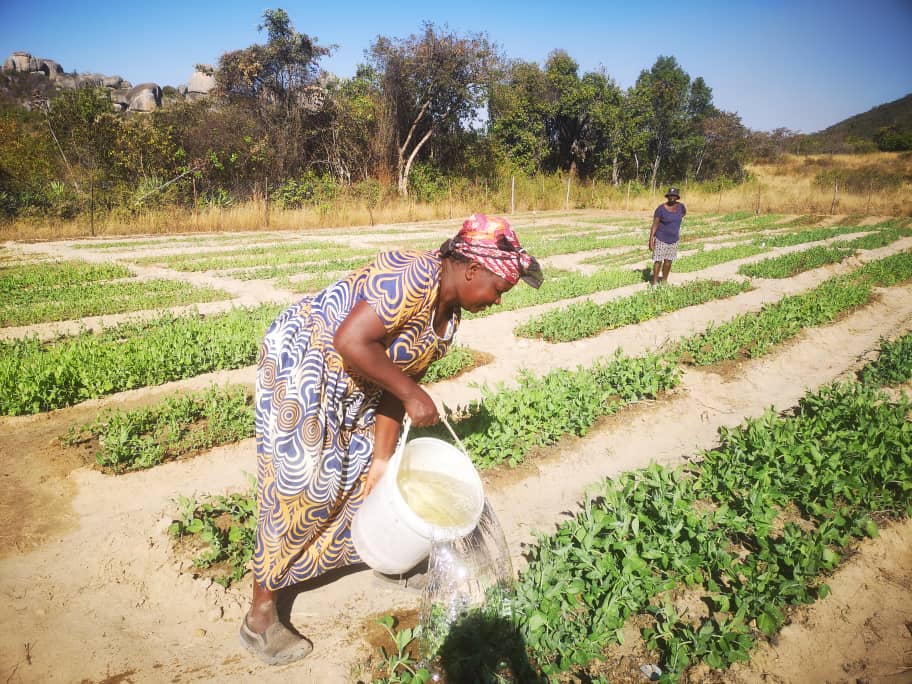
The mine has, however, begun initiatives that point towards another possible future. In 2025, Sandawana launched a programme to drill solar-powered boreholes for communities struggling with water shortages.
Residents have also welcomed local employment initiatives, including the recruitment of 26 people for road rehabilitation.
That is the foundation on which a genuinely green Sandawana could be built.
A green mine would mean more than producing lithium for electric vehicles. It would mean powering operations increasingly with renewable energy, controlling dust, recycling and treating mine water, protecting agricultural land, rehabilitating mined areas as extraction advances and making environmental data accessible to communities.
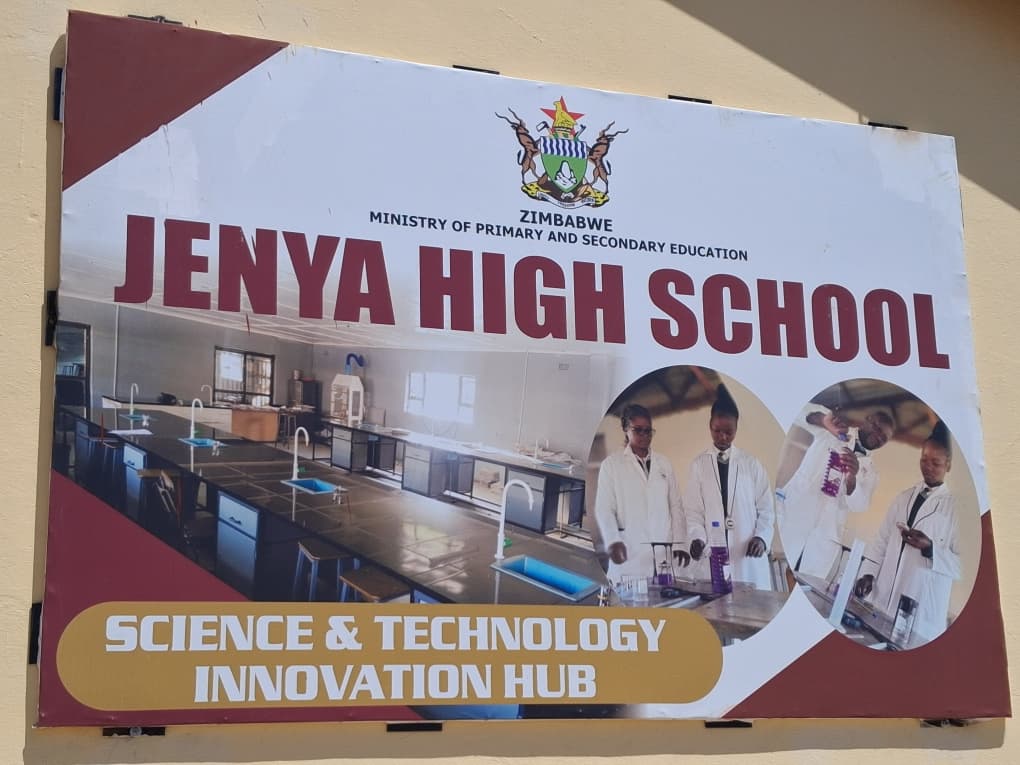
It would also mean designing development around people. Local jobs would need to extend beyond short-term manual work into technical careers, while roads, schools, clinics and water infrastructure should be planned as lasting community assets rather than occasional corporate social responsibility projects.
Zimbabwe’s Environmental Management Agency already requires environmental and social impact assessments for mining projects and says environmental management plans must address pollution, ecosystem disturbance and land degradation.
For Mberengwa, the test is whether those principles can be seen on the ground.
Sandawana has the opportunity to demonstrate that critical minerals for a cleaner global economy do not have to come at the expense of the communities sitting on top of them.
The greenest mine, ultimately, may not be the one that produces the most lithium.
It may be the one that leaves Mberengwa with clean water, safer roads, restored land, skilled workers and a community that can say it benefited from the mineral wealth beneath its feet.