Trymore Tagwirei
BIKITA — The lithium boom has transformed the skyline and balance sheet of Bikita Minerals, but a more basic question remains for communities living around the mine: how much of the money generated from their mineral wealth actually reaches the district?
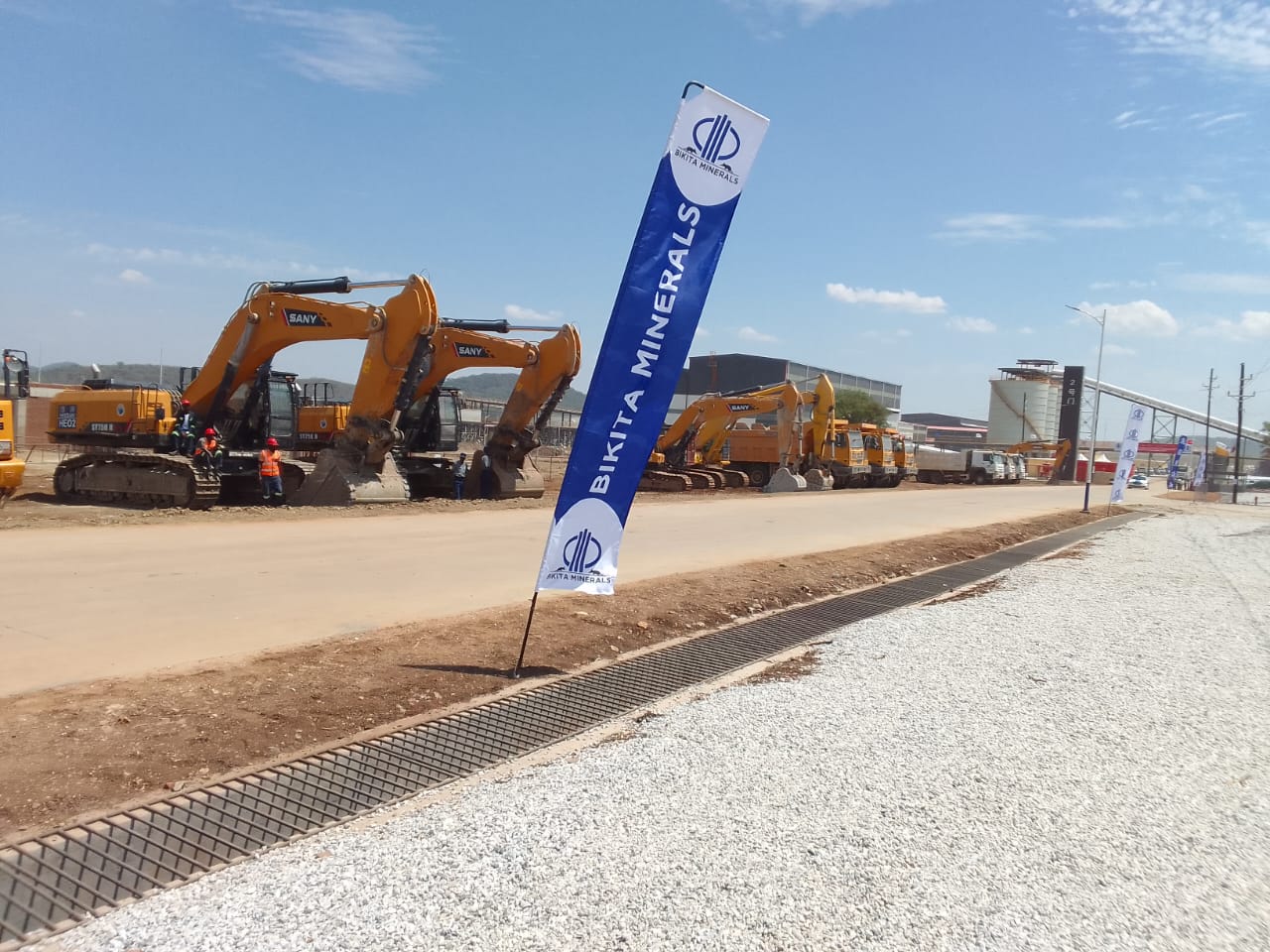
Bikita Minerals, now owned by China’s Sinomine Resource Group, has become one of Zimbabwe’s major lithium operations. The company has invested hundreds of millions of dollars in processing infrastructure and is pushing ahead with a lithium sulphate project expected to cost up to US$500 million. Its expansion has made Bikita a significant part of Zimbabwe’s drive to process minerals locally rather than export concentrates.
But mining revenue does not automatically flow into Bikita Rural District Council.
Under Zimbabwe’s fiscal system, mining royalties are collected nationally through the Zimbabwe Revenue Authority and are paid into government revenue. They are not, by default, a direct payment to the rural district where the mineral is extracted.
That distinction matters in Bikita.
A 2024 study on the impact of lithium mining in the district found that a senior Bikita Rural District Council official said Bikita Minerals pays unit tax rather than royalties to the council.
The study reported that payments averaged about US$24,000 a year between 2009 and 2021 and rose to about US$100,000 in 2023. It found that no mining royalties were being channelled directly to the RDC.
The figures stand in stark contrast to the scale of the operation.
Zimbabwe’s mining fiscal regime includes royalties, corporate income tax and other levies. ZIMRA lists the income tax rate for companies deriving income from mining operations at 25 percent, while government also imposes a levy on the gross value of lithium sales. From 2026, unbeneficiated lithium ore and concentrate exports are subject to a 10 percent tax on their gross fair market value.
So where is the local benefit?
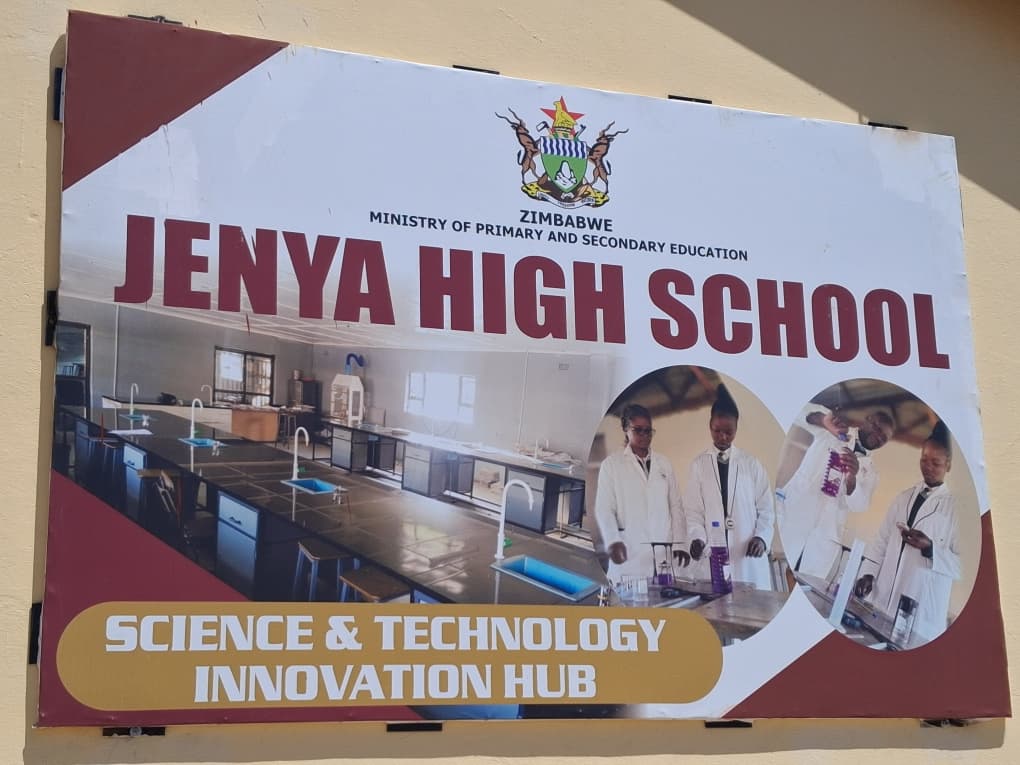
Bikita Minerals says it has spent more than US$12.5 million on community initiatives, including boreholes, roads, schools, health facilities and skills development. The company says it employs about 1,150 people and that contractors employ another 1,400, with 80 percent of its employees recruited locally.
The company has also reported spending on roads, clinics, school infrastructure and a 110-kilometre power line connecting communities in Bikita and neighbouring districts. Bikita RDC itself previously acknowledged support from the mine for schools, clinics, water infrastructure and other projects.
Yet these contributions are different from a transparent, statutory revenue-sharing mechanism.
That is the central issue confronting Bikita as lithium production expands: who decides how mineral wealth is converted into public services, and how much reaches the people living closest to the mine?
The question is becoming more urgent as Bikita Minerals expands processing. The company recently said cumulative investment in its operations had reached US$380 million, while plans for lithium sulphate production could take investment substantially higher.
Meanwhile, Bikita RDC’s 2026 budget is nearly ZWG308 million, with priorities including roads, schools, clinics, boreholes and local economic development.
For villagers living beside one of Zimbabwe’s richest lithium deposits, the measure of the boom may therefore be less about the value of lithium leaving the mine and more about what they can see when they look around their communities.