
EnviroPress Reporter
MBERENGWA — At Sandawana, the question of who speaks for a mining community is becoming as important as what lies beneath its soil.
Traditional leaders in Mberengwa have publicly endorsed the revival and expansion of Sandawana Mine, but their support has come with a long list of demands — from roads and water to the relocation of a school and households threatened by mining activity.
The debate raises a broader question: does the blessing of traditional leaders amount to community consent for mining?
Sandawana, historically known for emerald mining, was acquired by Kuvimba Mining House (KMH) in 2019 and reopened for lithium and tantalite production in January 2023 after operations had been suspended for years. KMH said it invested US$56 million in reviving the operation.
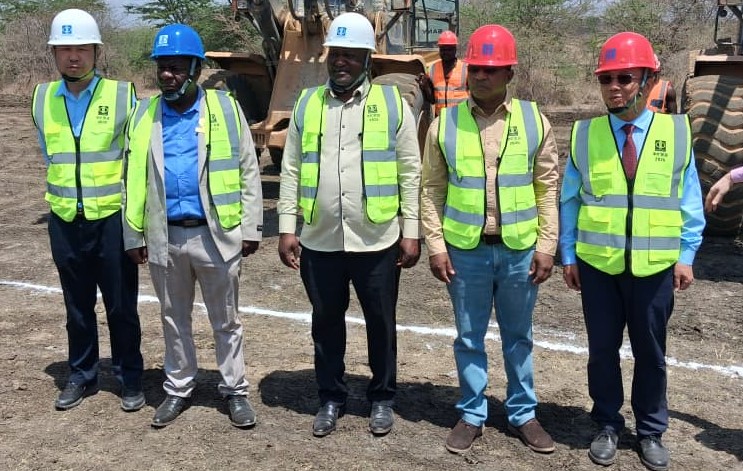
In August 2023, about 15 Mberengwa chiefs attended a stakeholder meeting with the company, with Chief Ngungumbane saying the traditional leadership had given the project its blessing. But the endorsement was conditional.
The chiefs called for better roads, clinics, clean water, local employment and opportunities for villagers to participate directly in mining. They also raised concerns over development-induced displacement, demanding a policy for relocating and compensating affected families.
One of the immediate concerns was Sandawana Primary School, which traditional leaders said was too close to mining operations. KMH subsequently said it would work on relocating the school, while also accelerating road rehabilitation.
The dispute over who should benefit from the mineral wealth has also exposed the limits of a simple “community consent” narrative.
In 2023, traditional leaders pressed KMH to give villagers lithium claims under tributary arrangements. The company rejected the request, arguing that existing mining operations and legal and practical constraints made it impossible to simply carve out claims from its concession. Instead, KMH proposed community empowerment through a Community Ownership Share Scheme.
Zimbabwean law gives traditional leaders an important role in communal-land governance and environmental protection. The Constitution says they must facilitate development and, in accordance with legislation, administer communal land and protect the environment. The Traditional Leaders Act similarly requires chiefs to ensure that land and natural resources are used according to law and to prevent their degradation.
But the Mines and Minerals Act does not simply substitute a chief’s endorsement for all statutory approvals. For example, the Act requires written consent from the relevant occupier or authorities in specified circumstances on communal land, while prospecting operations require prescribed notice to the rural district council.
Environmental law goes further, requiring participation by interested and affected parties in environmental governance and recognising the public’s right to environmental information and a clean environment.
That distinction matters at Sandawana, where mining has brought jobs and investment but also concerns about roads, water, pollution and displacement.
By November 2025, Sandawana said it had spent nearly US$500,000 on community projects, including road rehabilitation, school renovations and boreholes. The company also said almost US$400,000 had gone towards upgrading the 60-kilometre gravel road linking the mine to the Beitbridge road.
Yet a March 2026 report in the Chronicle described villagers as still feeling excluded, with residents complaining that heavy trucks carrying lithium were damaging roads and infrastructure while communities remained economically marginalised.
For Mberengwa, therefore, the issue is no longer simply whether traditional leaders support Sandawana.