EnviroPress Reporter
MBERENGWA — When traditional leaders in Mberengwa gave Kuvimba Mining House their backing for the expansion of Sandawana Mine in 2024, the endorsement came with a long list of expectations: better roads, water, health facilities, electricity, decent housing and the relocation of Sandawana Primary School away from mining operations.
One year on, the record is mixed.
The mine has begun delivering some tangible projects, but several of the bigger promises remain works in progress — or plans waiting for the next phase of the lithium project.
The 2024 engagement was effectively a social contract. Traditional leaders backed the mine’s operations while demanding that mineral wealth translate into visible improvements in the lives of people living around the operation. They specifically called for the relocation of the school and homesteads, rehabilitation of roads, improved health facilities, water security and a 60MW solar power project.
By February 2025, however, Senator Chief Ngungumbane was publicly expressing frustration, saying communities had seen little of the promised transformation. He cited the delayed road programme, clinic upgrade, school relocation, solar project, dam rehabilitation and community ownership scheme.
That frustration was reinforced by a Centre for Natural Resource Governance (CNRG) investigation, which reported complaints from villagers about environmental impacts, employment and exclusion from the benefits of lithium mining. Residents told researchers they had expected jobs and development but remained concerned about livelihoods, pollution and the effects of blasting and increased mining traffic.
Yet the picture is not one of complete failure.
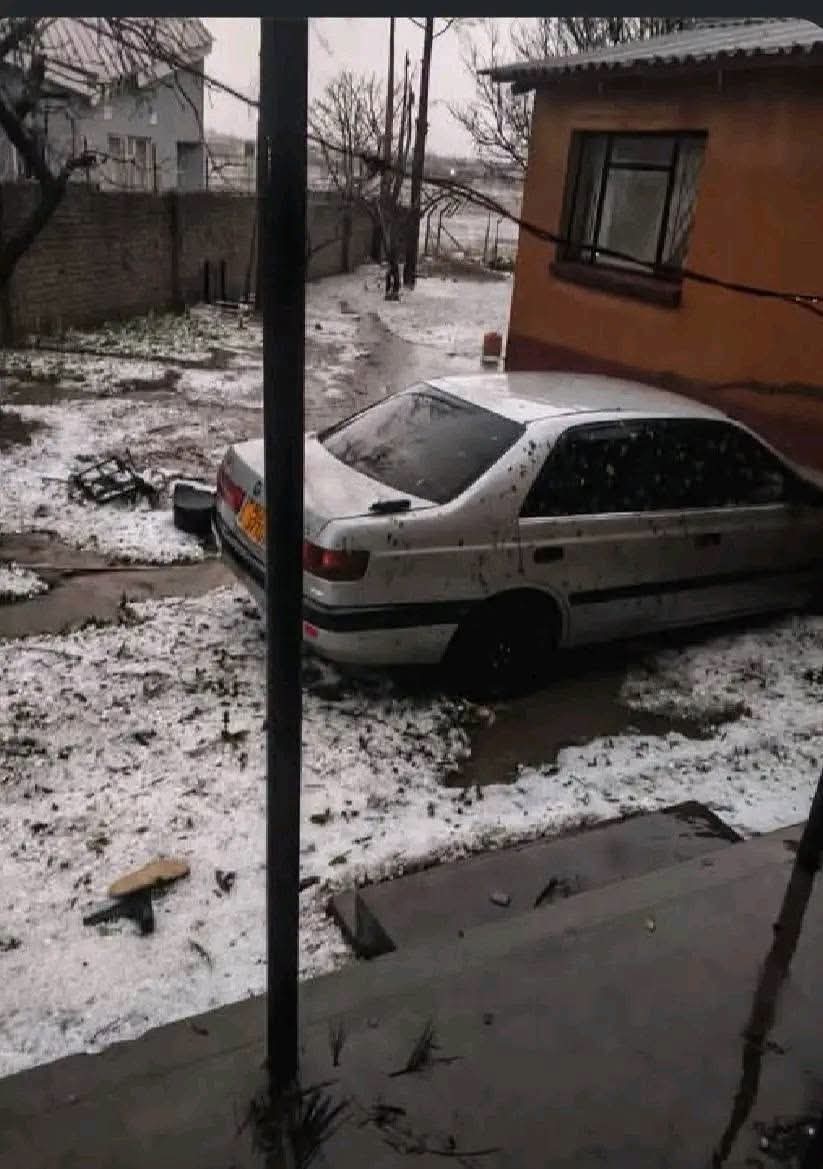
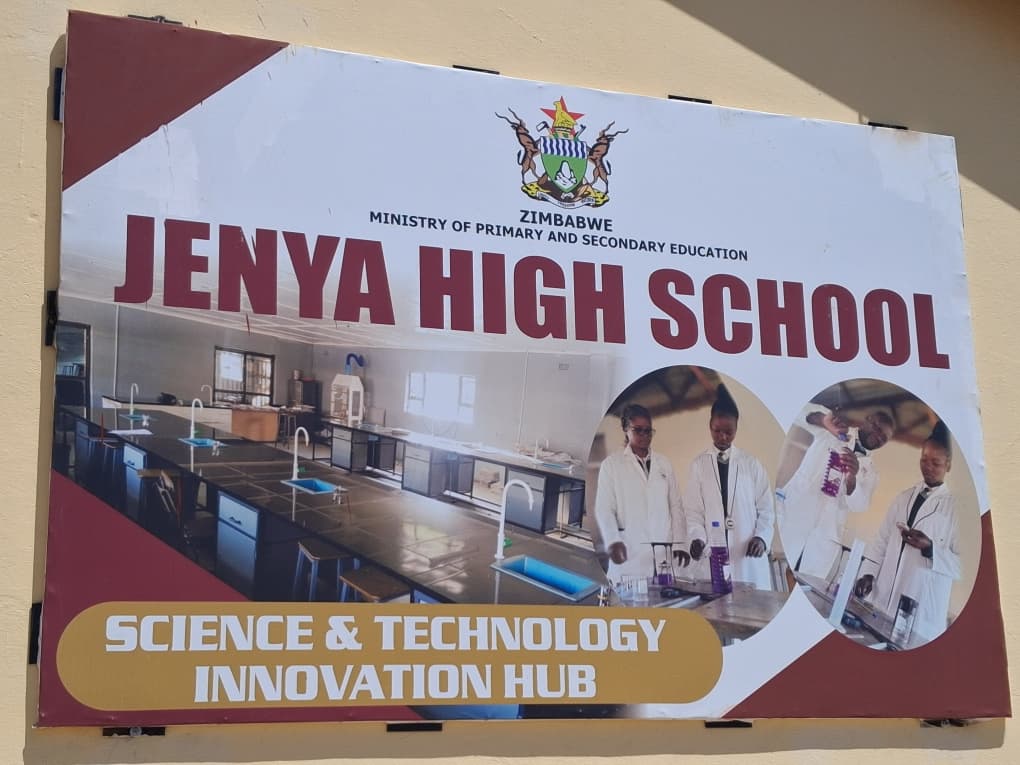
In 2025, Sandawana reported spending about US$475,000 on community initiatives. Almost US$400,000 went towards upgrading a 60-kilometre gravel road linking the mine with the Beitbridge highway, reported to be about 75% complete. The mine also drilled three solar-powered boreholes and renovated a storm-damaged classroom block at Chebvute Secondary School.
The water projects have perhaps offered the clearest evidence of an immediate community benefit. Villagers told NewsDay that the boreholes could reduce long walks for water and open opportunities for market gardening and agricultural projects. The mine has also said it intends to establish 16 solar-powered boreholes around surrounding communities.
Employment has been another important dividend. Earlier reports put Sandawana’s workforce at about 1,500, with a significant proportion of jobs going to locals. But independent research has raised questions about the security and quality of some jobs, including reports of short-term contracts and inadequate accommodation.
The biggest test now lies ahead.
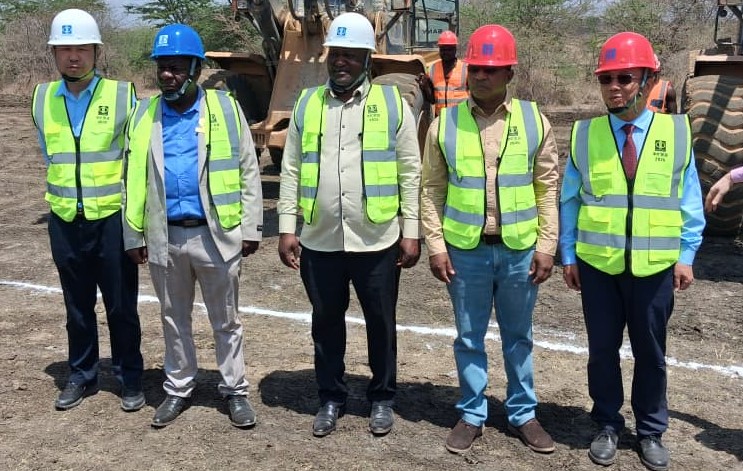
Kuvimba says construction of the long-awaited lithium concentrator is expected to unlock a new phase of investment and create more than 2,000 jobs, mainly for locals. In November 2025, the company said construction could begin within four to six months, with commissioning targeted for 2027.
For Mberengwa residents, however, another promise is not enough. The mine’s social licence will ultimately be measured not by meetings, pledges or projected investment, but by whether the roads become passable, schools safe, water accessible, jobs meaningful and the benefits of lithium visible beyond the mine fence.
For Sandawana, the next year may therefore be less about winning permission to operate — and more about proving that the trust already granted was deserved.