EnviroPress Reporter
BIKITA— The rapid expansion of lithium mining at Bikita Minerals is creating hundreds of new jobs, but a persistent gender gap remains in the skilled workforce, raising questions about whether women in the surrounding rural communities are gaining access to the technical opportunities created by the mineral boom.
Bikita Minerals says its workforce has expanded dramatically since Sinomine Resource Group took over in 2022.
By May 2026, the company reported 1,360 direct employees, including 180 women — about 13 percent of its workforce. The number of female employees had risen from just five before the expansion.
The numbers show progress, but they also underline the distance still to travel.
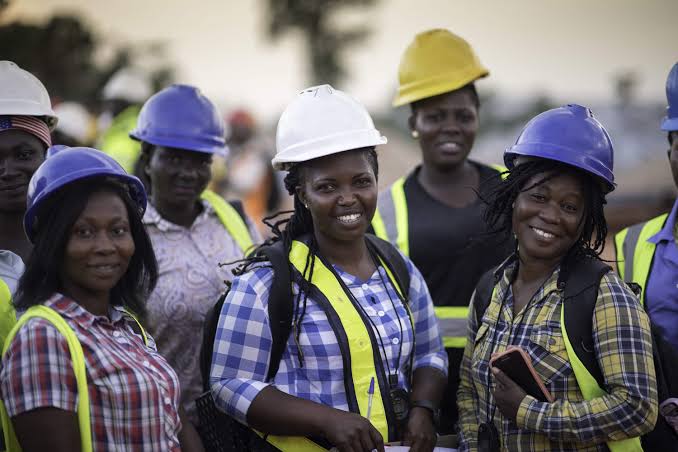
In March 2025, Bikita Minerals announced that it was reserving 20 percent of vacancies for women. Company officials said women were working across departments including mining, quality assurance, safety and health, stores, procurement and plant maintenance.
The company also acknowledged that recruiting suitably qualified women remained difficult in an industry historically dominated by men.
That challenge becomes more significant as the mine becomes increasingly technical.
Bikita Minerals has invested more than US$300 million since 2022 in expanding production, processing infrastructure and mineral beneficiation.
The operation now produces lithium concentrates as well as caesium, petalite and tantalite, while directly employing more than 1,400 workers, according to government figures reported after a July 2026 media tour.
Such expansion requires engineers, metallurgists, geologists, technicians and other specialised workers. The mine says it is hiring technical personnel locally and running training programmes for skilled and non-skilled employees, including opportunities for mentorship and knowledge transfer from expatriate specialists.
But access to those careers remains uneven.
Research on women living around lithium operations in Bikita has found that women face barriers ranging from limited economic opportunities and participation in decision-making to challenges around land, water and livelihoods.
A 2024 study by the Global Initiative for Economic, Social and Cultural Rights, focusing on the Vatombe community around Hanyanya Mountain, argued that women risk being marginalised as mining expands unless they are deliberately included in economic and governance processes.
The skills gap is also reflected in community perceptions. A 2026 study of Zimbabwe’s lithium mining communities found that respondents around Bikita Minerals viewed access to jobs and services more positively than at several other lithium sites, but vocational skills training was still rated poorly or only fairly by most respondents surveyed.
For women in Bikita, therefore, the question is no longer simply whether mining creates jobs. It is which jobs women can access.
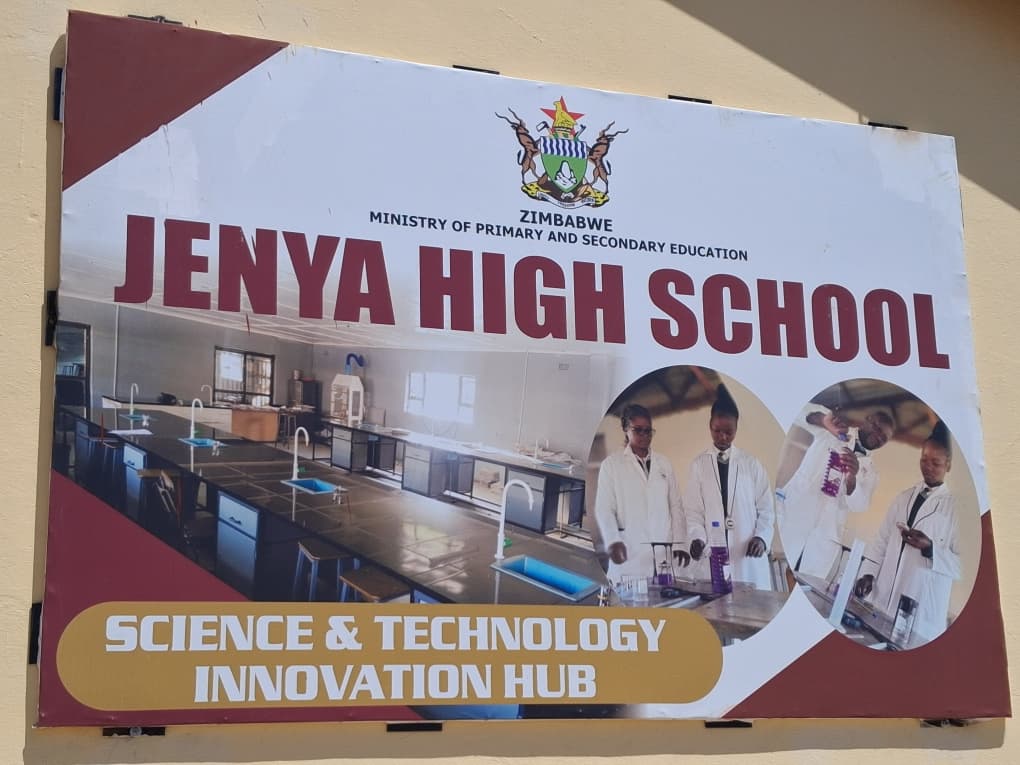
A quota can open the door, but sustained investment in STEM education, apprenticeships, technical training and career progression will determine whether women move beyond entry-level positions into the skilled and decision-making roles that increasingly shape Zimbabwe’s lithium industry.
Bikita’s lithium boom is transforming the mine and its surrounding communities. The measure of that transformation will ultimately include not only how many jobs are created, but whether women have an equal chance to acquire the skills needed to fill them.