EnviroPress Reporter
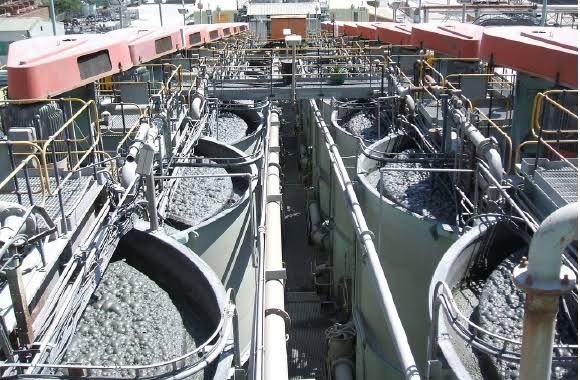
With less than five months before Zimbabwe’s planned ban on lithium concentrate exports takes effect, pressure is mounting on Bikita Minerals to turn its multi-million-dollar processing project into a working plant.
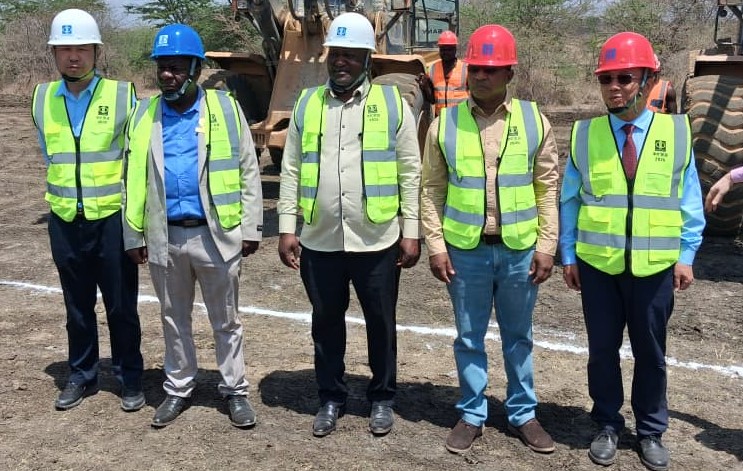
The Sinomine Resource Group-owned mine in Bikita, Masvingo, is one of the country’s biggest lithium producers and is at the centre of Government’s push to retain more value from the mineral locally.
Government policy is clear: from January 2027, Zimbabwe will no longer allow the export of lithium concentrate, with lithium sulphate and progressively higher-value lithium products expected to replace concentrate exports.
Cabinet reaffirmed the deadline in 2025, specifically identifying Bikita Minerals and Prospect Lithium Zimbabwe as companies developing lithium sulphate facilities.
For Bikita, the clock is therefore ticking.
The company has committed hundreds of millions of dollars to the transition. In July, Bikita Minerals said it had secured US$500 million for a lithium sulphate processing project to be developed in two phases.
The first phase is scheduled for commissioning in the second quarter of 2027, with capacity to produce 60 000 tonnes of lithium sulphate annually.
A second phase is expected to lift production to 125 000 tonnes a year by the beginning of 2028.
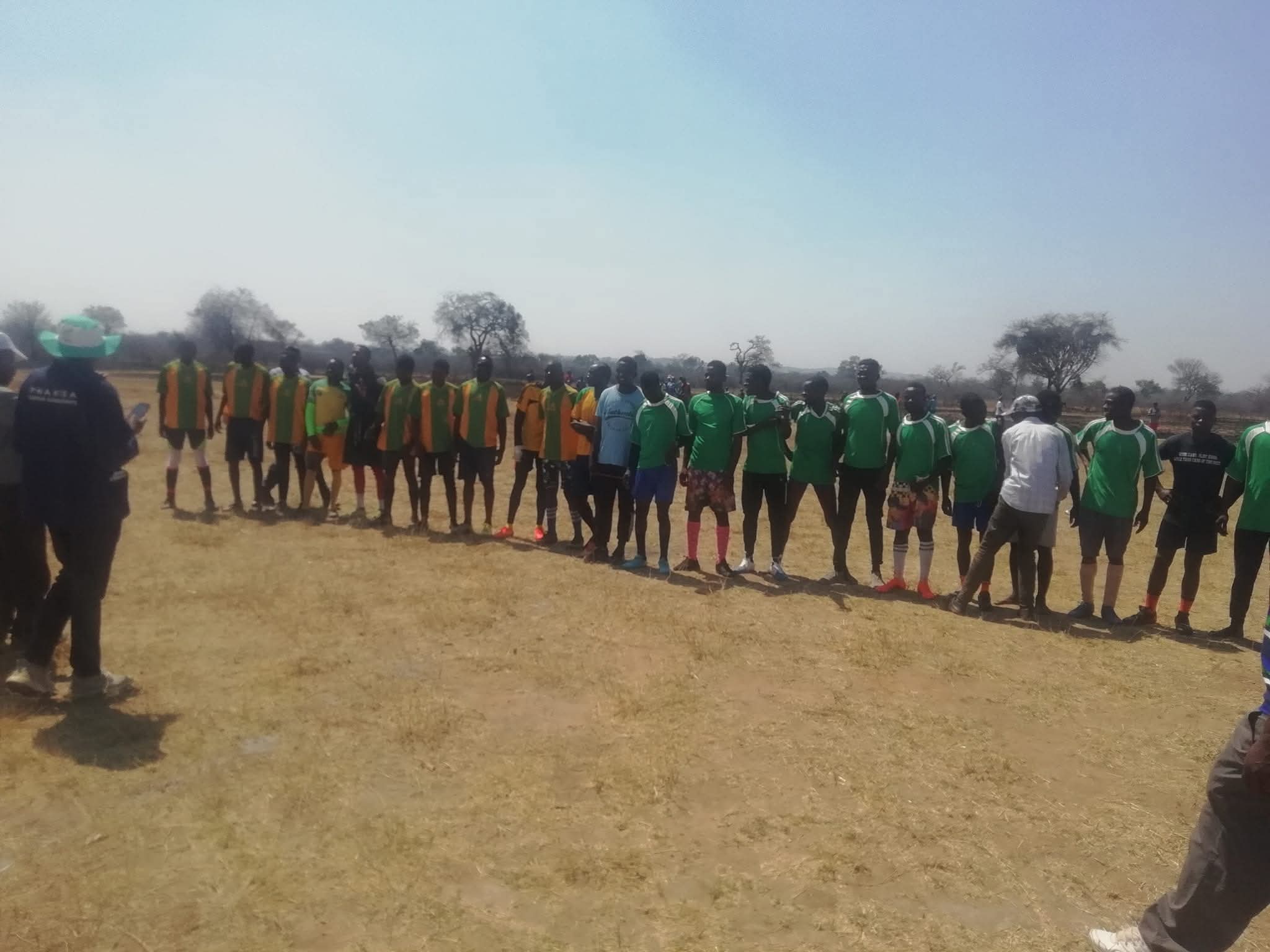
The project is significant not only for Bikita but for the surrounding communities, where the mine has become an important source of employment and economic activity.
Bikita Minerals has previously said it employs about 1 100 workers, while contractors account for a further 1 518 jobs, with 80 percent of its labour force drawn from Bikita, Gutu and Zaka districts.
The company has also reported investments in community programmes, including health and education initiatives.
But the deadline comes against a difficult industry backdrop.
Zimbabwe temporarily suspended lithium concentrate and raw mineral exports in February 2026, citing the need to strengthen accountability and value addition.
Exports were subsequently allowed to resume under a controlled quota system, with Bikita among six large-scale lithium producers granted export quotas.
The reprieve has not removed the January 2027 challenge.
Lithium producers have asked Government for more time, arguing that several processing projects will not be ready by the deadline.
The Lithium Producers Association has proposed extending the deadline into 2027 to allow projects under construction to be completed.
Government, however, has maintained that the January deadline remains in place.
The urgency is underscored by Zimbabwe’s growing lithium trade. The country exported 1.128 million tonnes of spodumene concentrate in 2025, generating about US$513.8 million, according to data cited by Reuters.
Much of the concentrate is shipped to China for further processing.
At Bikita, the coming months will therefore test whether investment plans can move quickly enough from construction to production.
For a mine that has rapidly transformed the economic landscape around rural Bikita, the next milestone is no longer simply producing lithium.
It is proving that Zimbabwe can process it before the deadline arrives.