EnviroPress Reporter
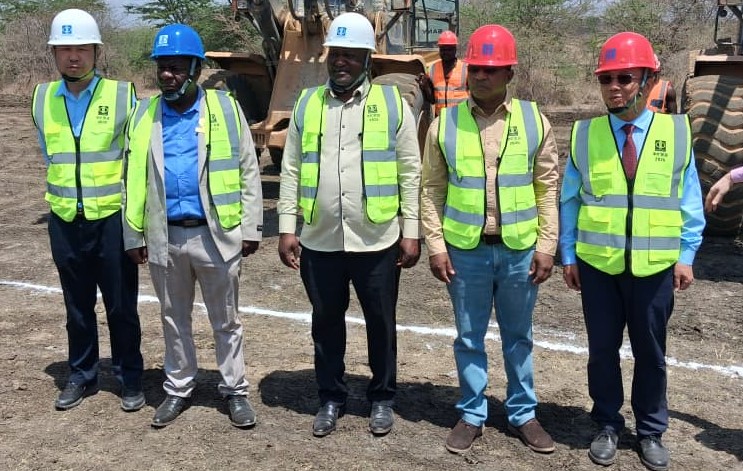
BIKITA— Zimbabwe’s push to move from exporting lithium concentrates to becoming a participant in the battery value chain is creating a new challenge around the Bikita Minerals mine: whether the country can develop enough skilled workers to turn mineral wealth into higher-value industrial production.
The question is becoming urgent as Bikita Minerals, one of Zimbabwe’s largest lithium producers, expands its processing operations.
The company has invested hundreds of millions of dollars since 2022, with recent projects including a lithium sulphate plant that is expected to take production further up the battery-mineral value chain.
The proposed lithium sulphate facility, backed by a reported US$500 million investment, is expected to produce 60,000 tonnes a year in its first phase and 125,000 tonnes when the second phase comes on stream. Lithium sulphate is an intermediate product used in producing battery-grade lithium chemicals.
That industrial shift requires more than miners.
It requires metallurgists who understand increasingly complex processing systems, engineers capable of maintaining sophisticated equipment, laboratory technicians, geologists, electricians, automation specialists and workers trained in occupational safety and environmental management.
Bikita Minerals has said it hires engineers, geologists, metallurgists and plant technicians from Zimbabwe’s talent pool, while using training, mentorship, internships and knowledge-sharing with expatriate specialists to build technical capacity.
But a national skills gap could become a constraint.
Zimbabwe’s National Skills Consultations Report found that universities had yet to establish programmes specifically addressing the lithium value chain, despite the country’s growing lithium industry. The report warned of a mismatch between graduate skills and emerging industrial requirements.
For communities around Bikita, the issue is particularly immediate. The mine directly employs about 1,460 people and supports a substantial contractor workforce, but local employment has also become a source of community debate, with some residents questioning how many opportunities are reaching people from surrounding wards.
The stakes are rising. Under Zimbabwe’s National Development Strategy 2, the country plans to phase out lithium concentrate exports from January 2027 and move towards lithium salts, including lithium carbonate and lithium hydroxide — chemicals critical to battery manufacturing.
For Bikita and surrounding communities, therefore, the battery economy is not simply about what lies beneath the ground. It is increasingly about who has the skills to process it, maintain the technology and capture the jobs created above ground.
Zimbabwe’s Ministry of Skills Audit and Development is developing a continuously updated national skills map, while government has placed human-capital development at the centre of its industrialisation agenda.
The test for Bikita will be whether the lithium boom leaves behind not only roads, plants and export earnings, but a generation of local technicians, engineers and entrepreneurs capable of powering the next stage of Zimbabwe’s battery economy.