Trymore Tagwirei
Many farmers in Masvingo are intensifying efforts to preserve traditional seeds and indigenous foods as calls grow louder for greater support for farmer-managed seed systems.
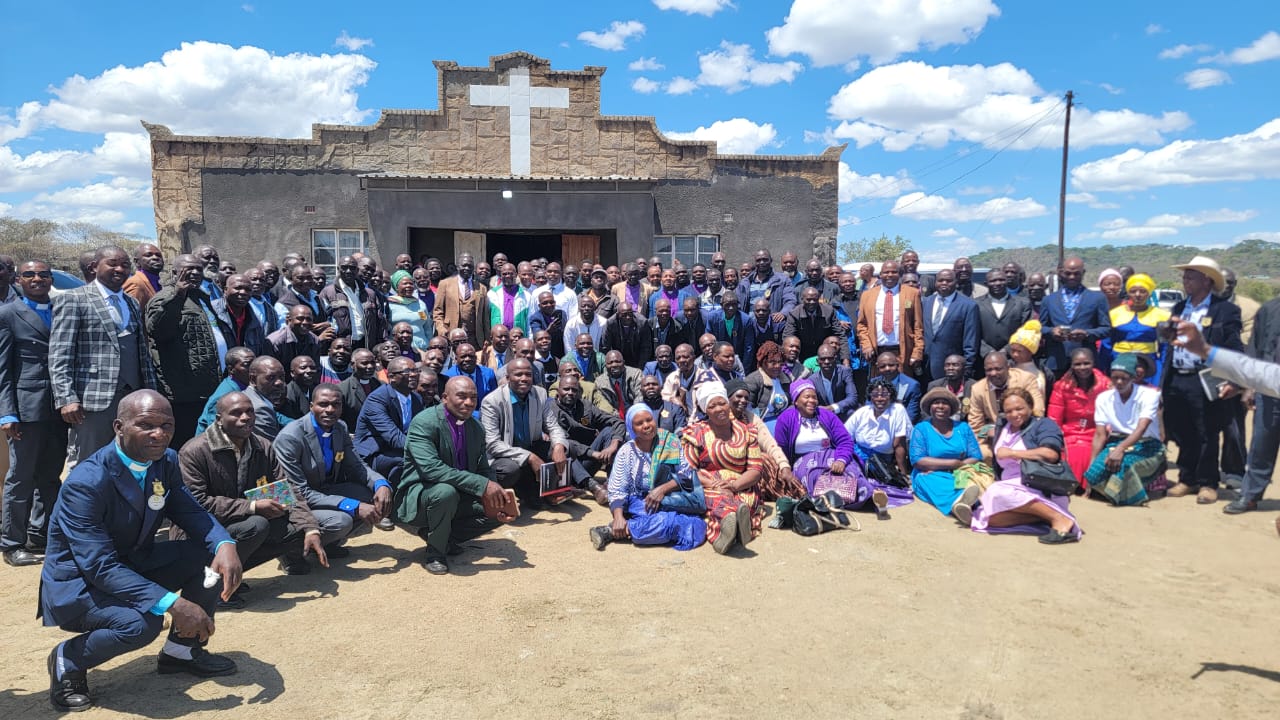
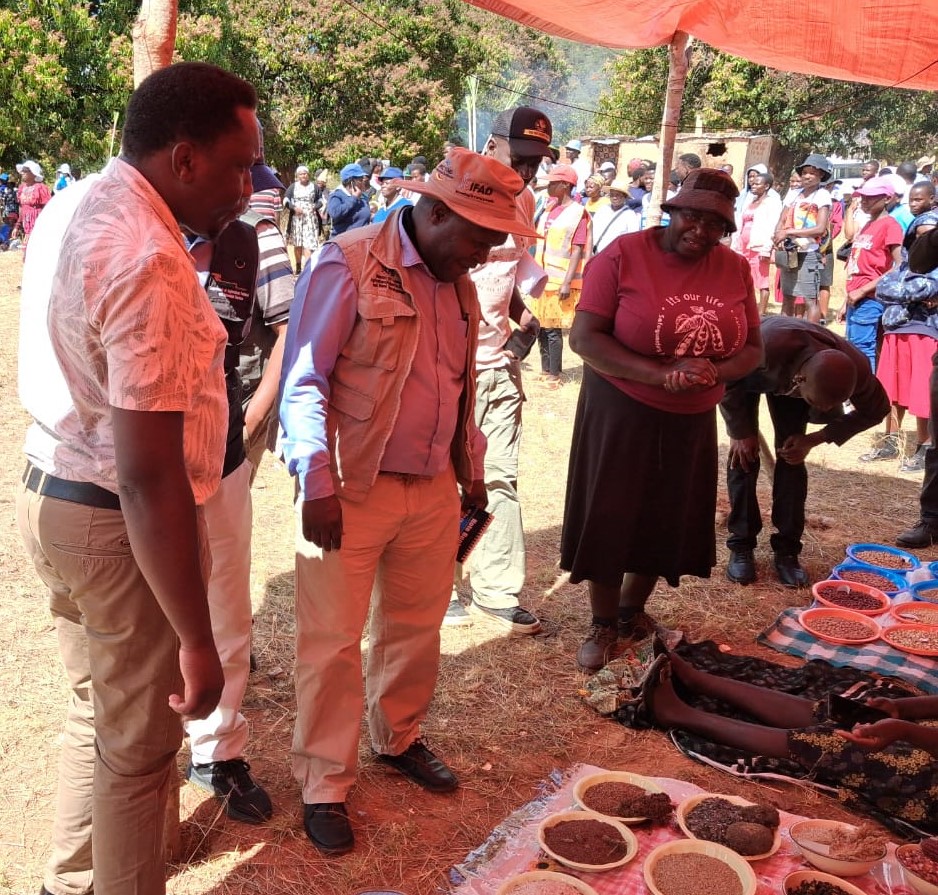
The call was made during the Masvingo District Food and Seed Festival on August 19, 2026, at Daitai Business Centre in Chief Murinye’s area, which brought together farmers from Masvingo, Mwenezi, Zaka, and Mashava. The event showcased traditional seeds, indigenous foods, and farmer-managed seed varieties to safeguard Zimbabwe’s agricultural heritage and strengthen food sovereignty.
Hosted by the Zimbabwe Smallholder Organic Farmers’ Forum (ZIMSOFF) under the theme “It’s Our Lives: Safeguarding Indigenous Seeds and Food Diversity,” the festival received support from Pelum Zimbabwe and other stakeholders. It featured traditional seed and grain exhibitions, indigenous dishes, and cooking demonstrations, providing farmers with a platform to exchange knowledge and promote traditional food systems.
Locardia Mazvihwa of Machaka Village in Chief Charumbira’s area noted that indigenous crop farming is becoming a vital pillar of food sovereignty.
“We should grow our traditional crops and adjust our diets to avoid diseases caused by synthetic or genetically modified foods. Our ancestors ate traditional foods and lived longer, healthier lives,” said Mazvihwa.
ZIMSOFF Central Cluster leader Oliat Mavuramba emphasized that embracing traditional farming practices and indigenous foods, such as millets, helps preserve cultural heritage.
“We want people to safeguard their health through their food systems. Most people now eat processed or harmful foods because they do not grow their own. This festival is about more than reviving farmer-managed seed systems—it is about reviving our history and culture,” Mavuramba said.
Masvingo Provincial Agritex Office Director Caleb Mahoya highlighted the importance of preserving Zimbabwe’s traditional seed varieties and encouraged farmers to expand organic food production for commercial gain.
“Farmers should scale up organic agriculture and monetize it. We want to see these organic farmers selling their produce to local supermarkets and international markets,” Mahoya said.