EnviroPress Reporter
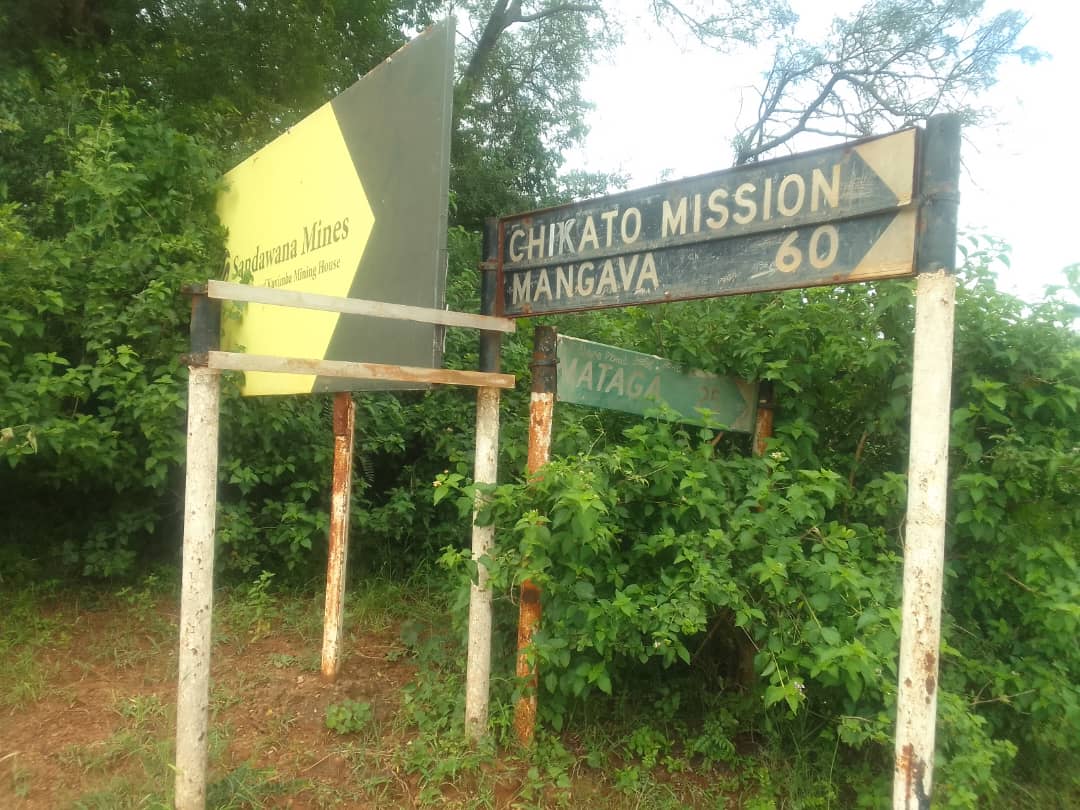
MBERENGWA— For decades, Sandawana was synonymous with emeralds — the green gemstones that made the remote Mberengwa mining area famous on international markets. Now, nearly 70 years after the first emerald discoveries, the mine is betting its future on a very different mineral: lithium.
The scale of that transition became clearer last month when state-owned Mutapa Energy Resources announced a 39.9-million-tonne lithium resource at Sandawana.
The independently assessed resource covers Block A, only about 30% of the company’s 3,800-hectare concession, leaving substantial ground still to be explored. Mutapa plans a second exploration phase involving 23,500 metres of drilling and about 8,500 samples.
Sandawana’s geological story, however, has always been unusual. Emeralds were discovered at the Vulcan site in 1956 and at Zeus the following year, with production beginning in 1958.
Rio Tinto subsequently acquired the properties, and the mine became one of Zimbabwe’s best-known emerald producers.
Scientific studies show the distinctive Sandawana emeralds formed where ancient greenstone rocks meet rare-element pegmatites — the same geological setting associated with lithium-bearing minerals.
That gemstone era eventually faded. Emerald operations were wound down in 2010 amid working-capital problems and declining emerald resources.
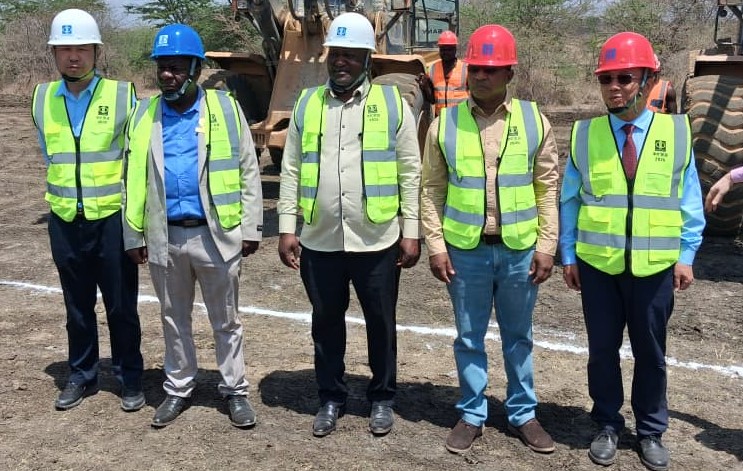
Kuvimba Mining House took over the asset in 2019 and invested tens of millions of dollars in its revival, shifting the focus towards lithium and other minerals.
The lithium rush has transformed the landscape around the mine — and not always comfortably.
In 2022 and 2023, thousands of artisanal miners and fortune-seekers descended on Sandawana after lithium-bearing rock was discovered across the area. The rush brought income opportunities but also disputes over mineral claims, allegations of unpaid ore and concerns over illegal exports.
For communities living along the mine’s dusty roads, the promise of mineral wealth remains complicated. Residents have complained about damaged roads, heavy truck traffic, environmental degradation and limited access to jobs and development.
A 2025 study by the Centre for Natural Resource Governance documented concerns over water and soil pollution, dust, housing, employment and the disruption of livelihoods.
There is another side to the story. Mine authorities and local leaders have pointed to employment created during the revival, with reports in 2023 of about 1,500 workers, 80% of them locals. More recently, 26 residents were recruited for road rehabilitation work.
The next test is beneficiation. Zimbabwe has been tightening controls on exports of raw minerals and lithium concentrates as it pushes miners to process more of the country’s minerals locally.
In February 2026, the government temporarily suspended exports of raw minerals and lithium concentrates, while the industry has since sought more time to meet forthcoming processing requirements. Sandawana was among the mines still assessing its processing options.
For Sandawana, therefore, lithium represents more than another mining cycle. It is a chance to turn a famous emerald legacy into a battery-mineral future — but also a test of whether that future can deliver something the area’s communities have long wanted: lasting jobs, infrastructure and development alongside the wealth beneath their feet.