EnviroPress Reporter
MBERENGWA- High in Zimbabwe’s Mweza mountain range, where Sandawana was once synonymous with prized emeralds, a different mineral is reshaping the future of the mine — and potentially tying this remote corner of Mberengwa to the global electric-vehicle battery industry.
Sandawana, which began emerald production in the late 1950s and was once operated by Rio Tinto, is now being repositioned as a major lithium operation. The mine sits on a 3,800-hectare concession and started lithium mining in 2023.
The scale of what lies beneath the concession became clearer last month when state-owned Mutapa Energy Resources announced a 39.9-million-tonne measured lithium resource at Block A, covering only about 30% of its mining claim. The company says further exploration could substantially increase the resource.
That discovery matters beyond Mberengwa.
Lithium is a critical input in rechargeable batteries used in electric vehicles and energy-storage systems. Zimbabwe has become an increasingly important supplier of lithium-bearing spodumene to China, exporting 1.13 million tonnes of concentrate there in 2025 — about 15% of China’s imports of the material. Chinese companies have invested roughly US$2 billion in Zimbabwe’s lithium sector since 2021, deepening the country’s links to the Asian battery supply chain.
Sandawana is now being positioned to move beyond simply digging and exporting ore.
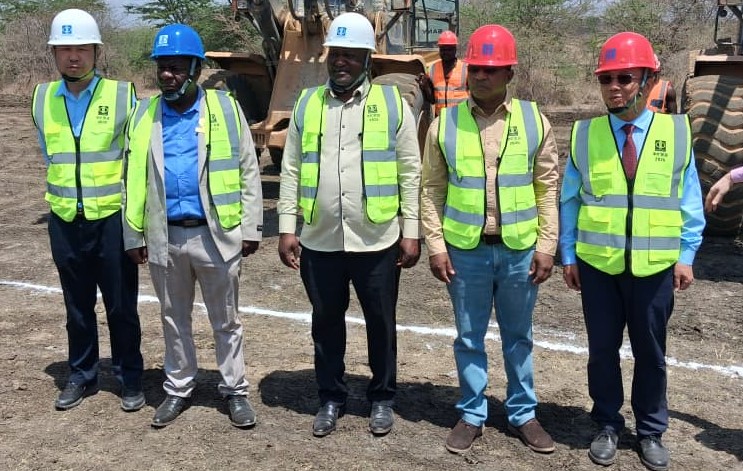
Mutapa has been working with Chinese partners on a concentrator expected to process up to three million tonnes of ore a year. The project, reported at about US$270 million, is intended to produce lithium concentrate locally and forms part of Zimbabwe’s broader push to capture more value from its minerals. Construction was targeted to begin in 2026.
The timing is critical. From January 2027, Zimbabwe plans to prohibit exports of unprocessed lithium concentrate, forcing producers to accelerate domestic beneficiation. But only one lithium sulphate plant is currently operational, while Sandawana and other producers are still developing processing capacity.
For people living around the mine, however, the battery boom is being measured less in global market statistics than in roads, water and jobs.
Sandawana spent nearly US$500,000 on community programmes in 2025, including road rehabilitation, school improvements and boreholes. About US$400,000 went towards upgrading a 60-kilometre gravel road linking the mine to the Beitbridge road.
Yet the rapid movement of lithium has also brought pressure. Villagers have complained that heavy trucks transporting ore have damaged local roads and affected movement, highlighting the gap between the value of the mineral leaving the district and the infrastructure available to communities hosting the operation.
Mberengwa is therefore standing at a familiar crossroads: whether mineral wealth can become lasting local development.
For Sandawana, the stakes are now considerably larger. Its lithium is no longer merely a resource buried beneath the Mweza range. It is a potential link in a global chain stretching from Zimbabwean pits to Chinese processing plants and, ultimately, batteries powering the world’s transition away from fossil fuels.
The challenge is ensuring that the people living beside the mine are not left at the beginning of that chain while most of the value is created elsewhere.