EnviroPress Reporter
BIKITA— In the dry hills of Bikita, the global energy transition is taking shape in an unlikely place: a lithium mine whose appetite for electricity is growing almost as quickly as the world’s demand for batteries.
Bikita Minerals, owned by China’s Sinomine Resource Group, has invested heavily in processing lithium-bearing ore locally, including new spodumene and petalite plants. The company is also pursuing further beneficiation, including a planned lithium sulphate facility.
But those ambitions raise a question that is increasingly difficult to avoid: who gets the electricity needed to power the energy transition?
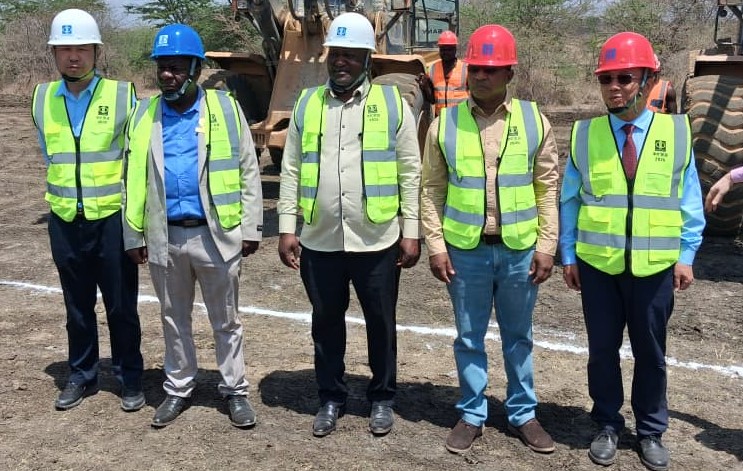
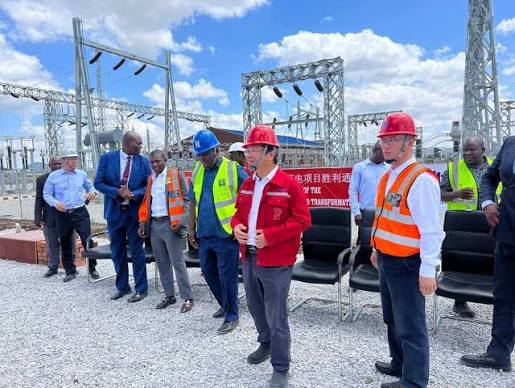
The answer in Bikita is partly found in a 132kV transmission project linking the mine to Zimbabwe’s grid.
The project was designed to provide reliable electricity to the expanding mining operation while also opening opportunities for electricity access in surrounding communities. Zimbabwe’s energy regulator lists the Bikita connection as a project intended to reduce technical losses and unlock suppressed demand.
Sinomine has said it invested about US$20 million in strengthening the mine’s power infrastructure, alongside another US$2 million for rural electrification in Bikita, Zaka and Gutu. The company has partnered with the Zimbabwe Electricity Transmission and Distribution Company to connect schools, clinics, businesses and households.
The distinction matters.
For Bikita Minerals, reliable electricity is an industrial necessity. Processing lithium ore requires substantially more power than simply extracting rock from the ground.
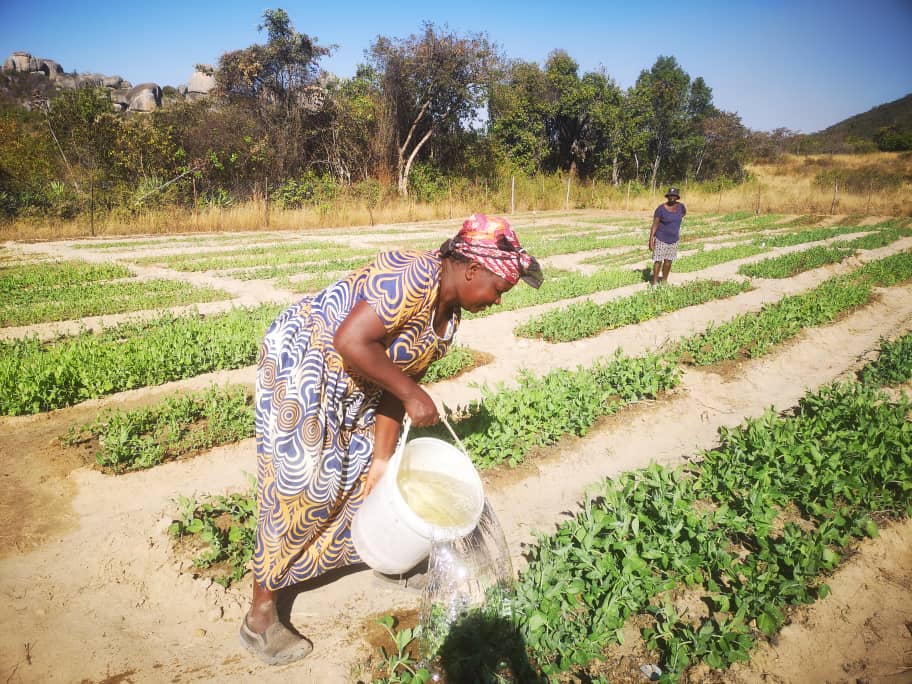
For surrounding communities, however, electricity means something more basic: lighting after sunset, refrigeration, communication, productive businesses and services that do not depend on candles, batteries or diesel.
The mine has also reported a 12MW solar plant and battery-storage investment as part of efforts to reduce reliance on conventional electricity and improve the sustainability of its operations.
Yet the benefits are not universally settled.
A 2026 ActionAid Zimbabwe study on lithium mining in Bikita found that mining-induced relocation evolved into a negotiated process shaped by community participation and civil-society intervention, while stressing the need for accountability and protection of affected communities.
Al Jazeera’s June 2026 investigation similarly reported community concerns over water, environmental impacts and alleged unfulfilled commitments, while noting Bikita Minerals’ position that it continues investing in infrastructure and community development.
This tension sits at the heart of Zimbabwe’s lithium strategy.
The country wants to move beyond exporting minerals and capture more value through local processing. In February 2026, the government announced an immediate ban on exports of raw minerals and lithium concentrates, arguing that beneficiation, compliance and accountability must increase.
That policy makes electricity even more important — and potentially more contested.
If Zimbabwe is to process more of its lithium at home, mines such as Bikita will need dependable power. But if mining infrastructure is also being presented as a route to rural development, communities should be able to see and measure the benefits.
Bikita therefore offers a test bigger than lithium.
The energy transition is often described in terms of electric vehicles, batteries and cleaner power.