EnviroPress Reporter
MBERENGWA — When lithium mining returned to Sandawana, it came with a familiar promise: mineral wealth would bring better services to the communities living alongside the mine.
Among the most prominent commitments were a safer home for Sandawana Primary School and improved healthcare, including the upgrading of the Sandawana Mine Clinic into a facility serving the wider community.
Three years on, the record is mixed. There is evidence of community investment, particularly in water, roads and school repairs, but the two flagship commitments — relocating the primary school and transforming the mine clinic into a hospital — have proved harder to track.
In September 2023, traditional leaders met Kuvimba Mining House, then the operator of Sandawana, after raising concerns that the primary school was too close to mining activities.
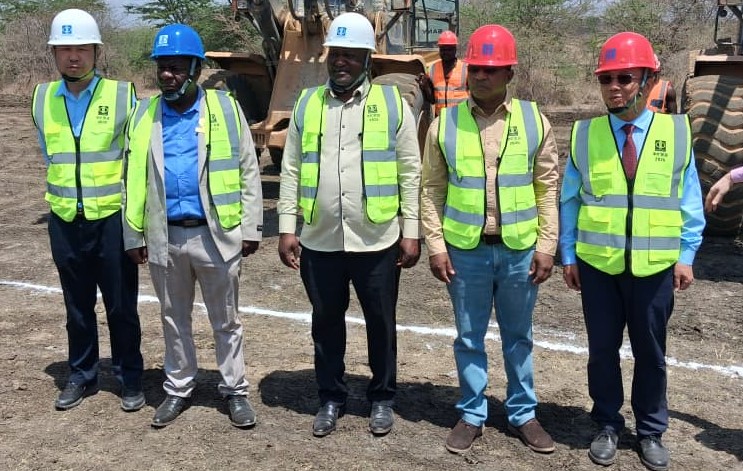
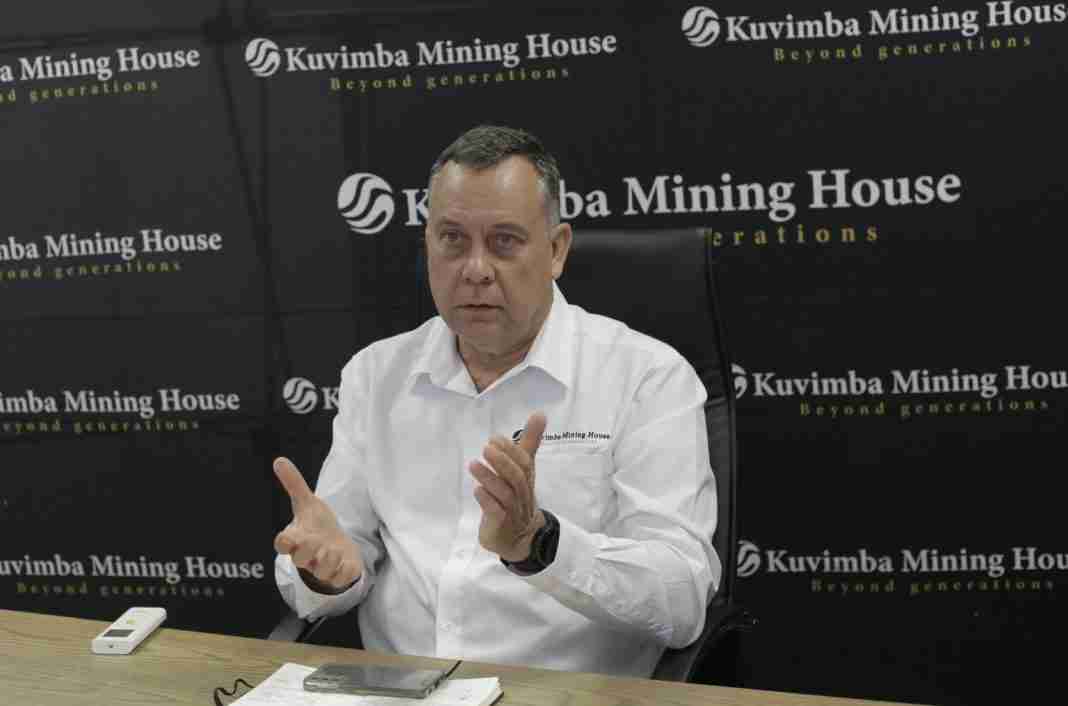
Kuvimba chief executive Simbarashe Chinyemba said the company would begin work on relocating the school to a safer site and that road construction would be expedited. At the time, the company said about 13 kilometres of road rehabilitation had already been completed.
The health promise was similarly ambitious. Kuvimba said it would upgrade the existing clinic, procure an ambulance and work with the Ministry of Health and health partners to introduce specialist services.
The proposed healthcare investment was intended to serve surrounding clinics and reduce long journeys for patients seeking treatment.
But by November 2023, community voices were already demanding concrete timelines, arguing that promises to relocate the school and build or upgrade healthcare facilities lacked clear deadlines.
The mine’s subsequent community spending has been more tangible.
In 2025, Sandawana reported spending about US$475,000 on corporate social responsibility projects.
Around US$400,000 went towards upgrading a 60-kilometre gravel road, reported to be 75% complete. The company also renovated a classroom block at Chebvute Secondary School after its roof was damaged by wind.
Water has also become a visible part of the mine’s social investment. Three solar-powered boreholes were drilled, including one at Maringambizi Secondary School.
The school said the new water supply would revive practical agriculture projects, while nearby villagers would also benefit. Sandawana said it planned 16 such boreholes in surrounding communities.
Yet the central question remains: what happened to the school relocation and clinic upgrade?
Public reporting available up to August 2026 does not establish that either flagship project has been completed. The issue has become more significant as Sandawana expands. In July 2026, Mutapa Energy Resources announced a 39.9-million-tonne lithium resource covering only part of the mine’s claim, signalling a potentially larger mining footprint.
That expansion raises the stakes for communities living beside the operation. A 2026 report cited residents complaining that roads, healthcare and schools remained inadequate despite the mineral wealth passing through Mberengwa.
For Sandawana, therefore, the story is no longer simply about promises made when mining resumed. Roads have been repaired, classrooms renovated and boreholes drilled.
But the test of the mine’s social licence may ultimately rest on whether the bigger commitments — a safe school site and accessible, properly equipped healthcare — move from announcements to completed projects.
Until then, Mberengwa residents are left tracking not just what has been promised, but what has actually been built.