EnviroPress Reporter
Mberengwa’s Sandawana Mine is entering a new phase in its long history — and the environmental cost of that transformation is becoming a governance test for Zimbabwe.
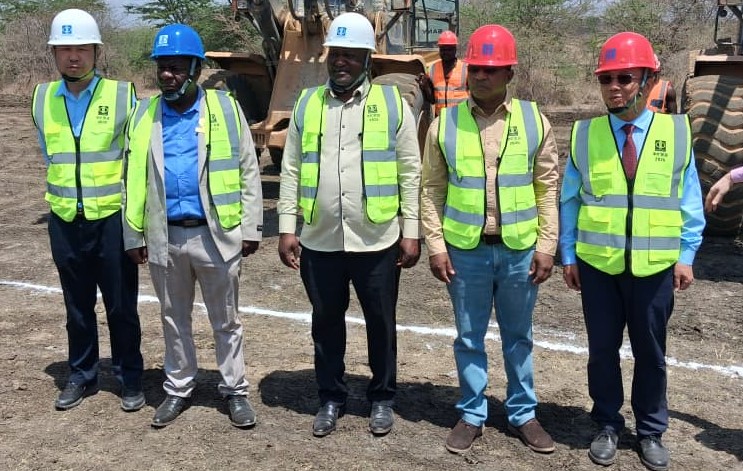
The former emerald-producing mine is being repositioned as a major lithium operation under Mutapa Investment Fund’s mining portfolio.
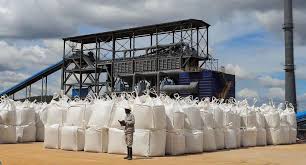
The mine has already extracted about two million tonnes of ore and is developing a concentrator capable of processing three million tonnes a year.
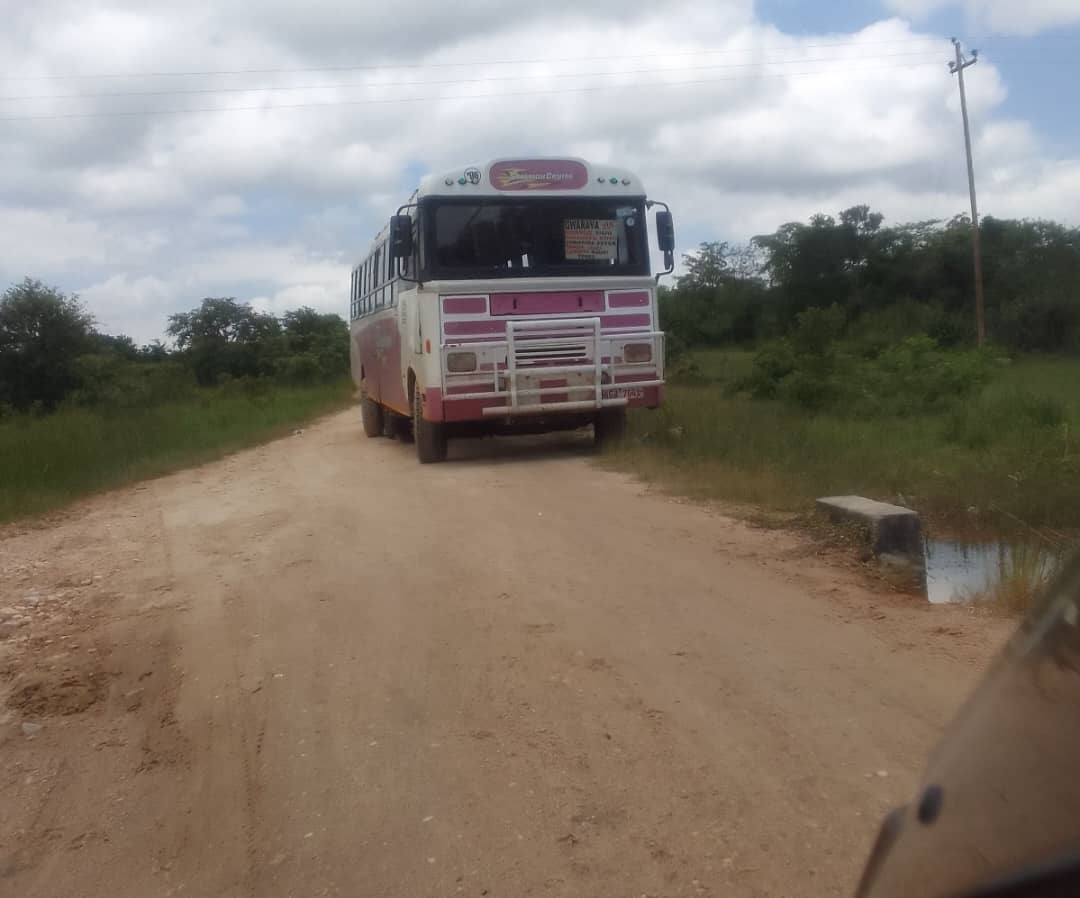
Recent exploration has also established a 39.9-million-tonne lithium resource, while roads, a school, clinic and community relocation infrastructure are being developed around the project.
The expansion comes as Government tightens control over Zimbabwe’s lithium industry.
In February, authorities suspended exports of lithium concentrates and other raw minerals, citing malpractices and leakages.
The restrictions were later eased through controlled export quotas, but producers were required to meet stricter conditions, including commitments to local processing and compliance with labour, safety and environmental standards.
For Sandawana, the policy shift could mean more than keeping lithium-processing jobs and revenue inside Zimbabwe. It also creates an opportunity to scrutinise what happens to the land, water and communities surrounding the mine before production expands substantially.
Zimbabwe already has a legal framework requiring mining projects to undergo environmental and social impact assessments.
The Environmental Management Agency says prospecting, mining and quarrying projects cannot be implemented without an approved assessment and valid certificate.
The law further requires assessments to consider direct, indirect, cumulative, short- and long-term impacts, mitigation measures and the results of public consultations.
That framework places environmental monitoring at the centre of Sandawana’s next chapter.
The Environmental Management Agency is empowered to regulate and monitor pollution, conduct environmental audits and monitor environmental impact assessments.
The Environmental Management Act also provides for standards covering water, soil, air, waste and hazardous substances.
The stakes are significant. Lithium mining brings excavation, waste rock, processing, heavy vehicle traffic and potentially greater pressure on water and land.
Across Zimbabwe’s lithium sector, environmental concerns have already included allegations involving water use, pollution and impacts on local ecosystems.
An OECD review cited such risks as potential sources of conflict and insecurity around mining communities.
Sandawana’s expansion therefore raises a straightforward question: can Zimbabwe extract more lithium without leaving behind a bigger environmental liability?
The answer will depend less on the export ban itself than on what follows it.
If beneficiation is to deliver the promised jobs and industrial development, environmental conditions should be measured publicly, affected communities should have meaningful access to information, and compliance should be independently monitored throughout the mine’s life — not only when approvals are being sought.
The government’s decision to tighten mineral exports has put accountability at the centre of mining policy.
At Sandawana, that accountability now needs to extend from the value leaving the mine to the environmental footprint left behind.
For Mberengwa’s communities, the real measure of the lithium boom may ultimately be whether the mine can create lasting wealth without sacrificing the natural resources on which life around it depends.