EnviroPress Reporter
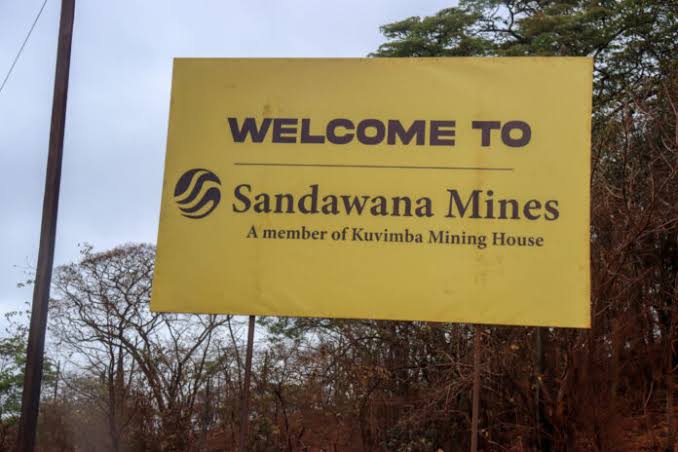
MBERENGWA— Sandawana Mine sits on a mineral endowment that is becoming increasingly difficult to ignore. But for communities living around the lithium operation, the measure of success is less about tonnes of ore in the ground than whether mining translates into jobs, roads, schools, healthcare, water and safer livelihoods.
The latest resource estimate underlines the scale of the opportunity. In July, state-owned Mutapa Energy Resources announced a 39.9 million-tonne lithium resource at Sandawana, covering only about 30% of its 3,800-hectare concession. The company says the remaining ground still offers substantial exploration potential.
That raises the stakes for Mberengwa residents — and makes the community’s scorecard increasingly important.
Jobs: PASS, but with questions.
Sandawana has previously reported employing about 1,500 people, with 80% of jobs going to locals. In 2024, reports also said more than 1,000 local residents had been employed during a three-month recruitment drive. But employment has not been immune to the lithium price downturn. In 2025, 26 locals were recruited for road rehabilitation work after earlier job losses.
Roads: IMPROVING, but unfinished.
Road infrastructure remains one of the community’s most visible demands. In November 2025, the mine said a 60-kilometre gravel road towards the Beitbridge highway was about 75% complete after nearly US$400,000 had been spent. The intervention has provided short-term employment, but residents continue to rely heavily on dusty rural roads serving homes, businesses and schools.
Healthcare and education: Promises under pressure.
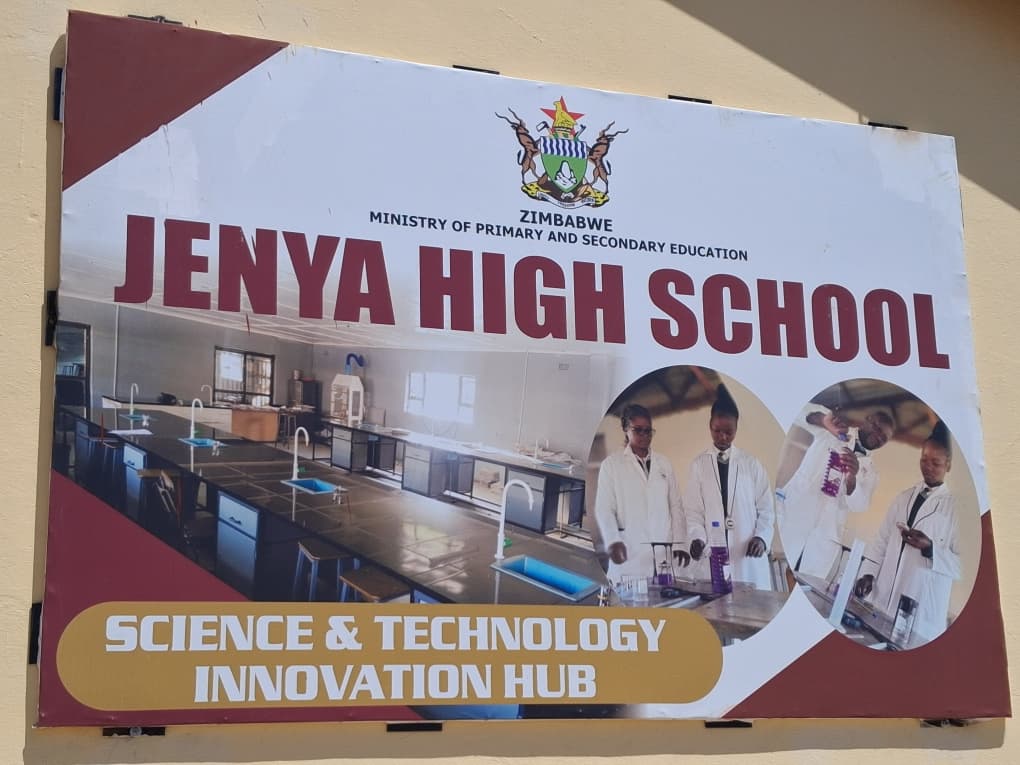
Sandawana has pledged to upgrade its clinic and eventually provide stronger referral services. Traditional leaders have also pressed for the relocation of Sandawana Primary School, citing its proximity to mining operations. The school’s location has been raised repeatedly in engagements with the company.
Environment and safety: A red flag.
A 2024 investigation by CITE reported that trucks carrying lithium ore were spilling rocks onto the Causeway-Ntalale road, while concerns were raised over overloaded trucks and the absence of adequate covering.
A separate community study by the Centre for Natural Resource Governance documented concerns over dust, emissions, water and soil pollution, blasting and social disruption. Residents interviewed for the study also complained of exclusion from mining benefits and unfulfilled development promises.
The big test: Value sharing.
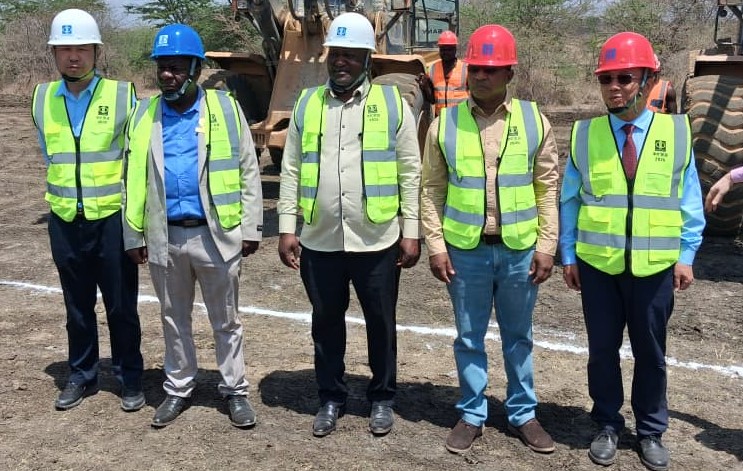
Sandawana’s proposed processing plant could change the equation. In February, Mutapa said construction was targeted for June 2026, while government officials later said construction of a three-million-tonne-per-year lithium concentrator was expected to begin that month.
The community therefore faces a simple question: as Sandawana’s mineral value grows, will the value reaching surrounding households grow with it?
The mine now has a resource measured in tens of millions of tonnes. Mberengwa’s scorecard should measure something more tangible — how many families have better incomes, how many children learn in safer schools, how many patients can reach quality healthcare, and whether the roads, water and environment are improving alongside production.
That is ultimately how the Sandawana story will be judged: not by the size of the lithium deposit alone, but by the quality of life left behind.