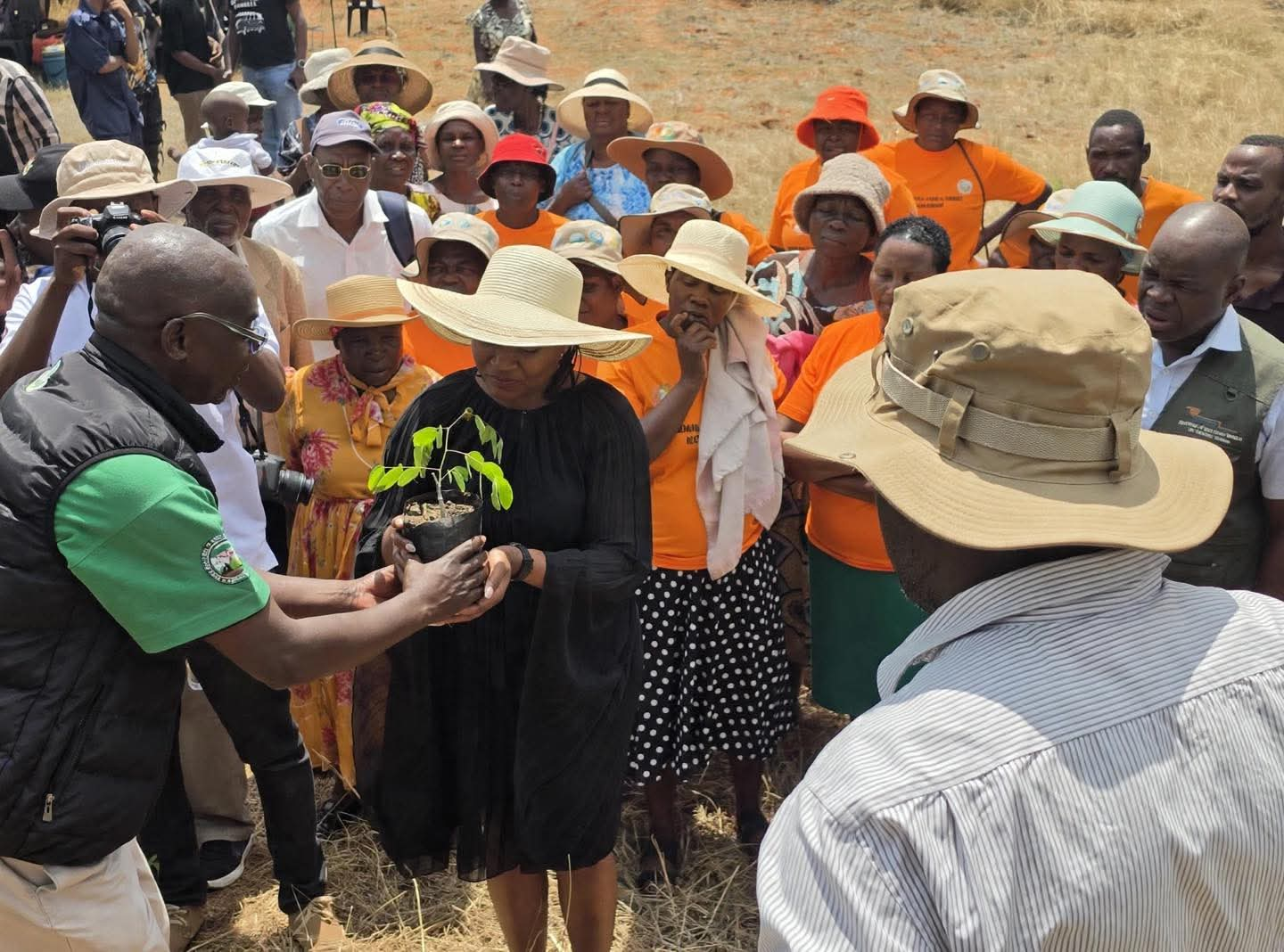
Women in Zaka have taken it upon themselves to conserve indigenous tree species by fighting deforestatio and initiating reforestation activities. Picture: By Trymore Tagwirei.
By Trymore Tagwirei
Communities in Zaka district are intensifying efforts to protect Miombo woodlands, curb deforestation, and sustain rural livelihoods through locally-led conservation initiatives, EnviroPress can report.
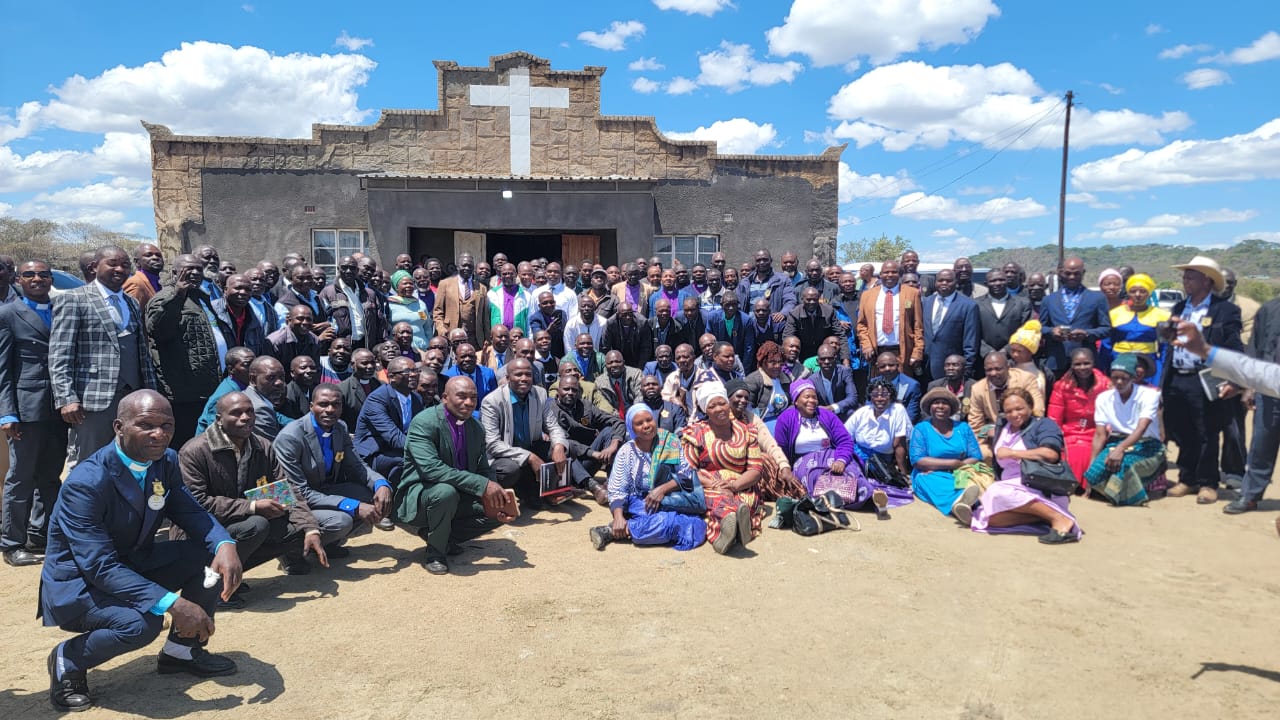
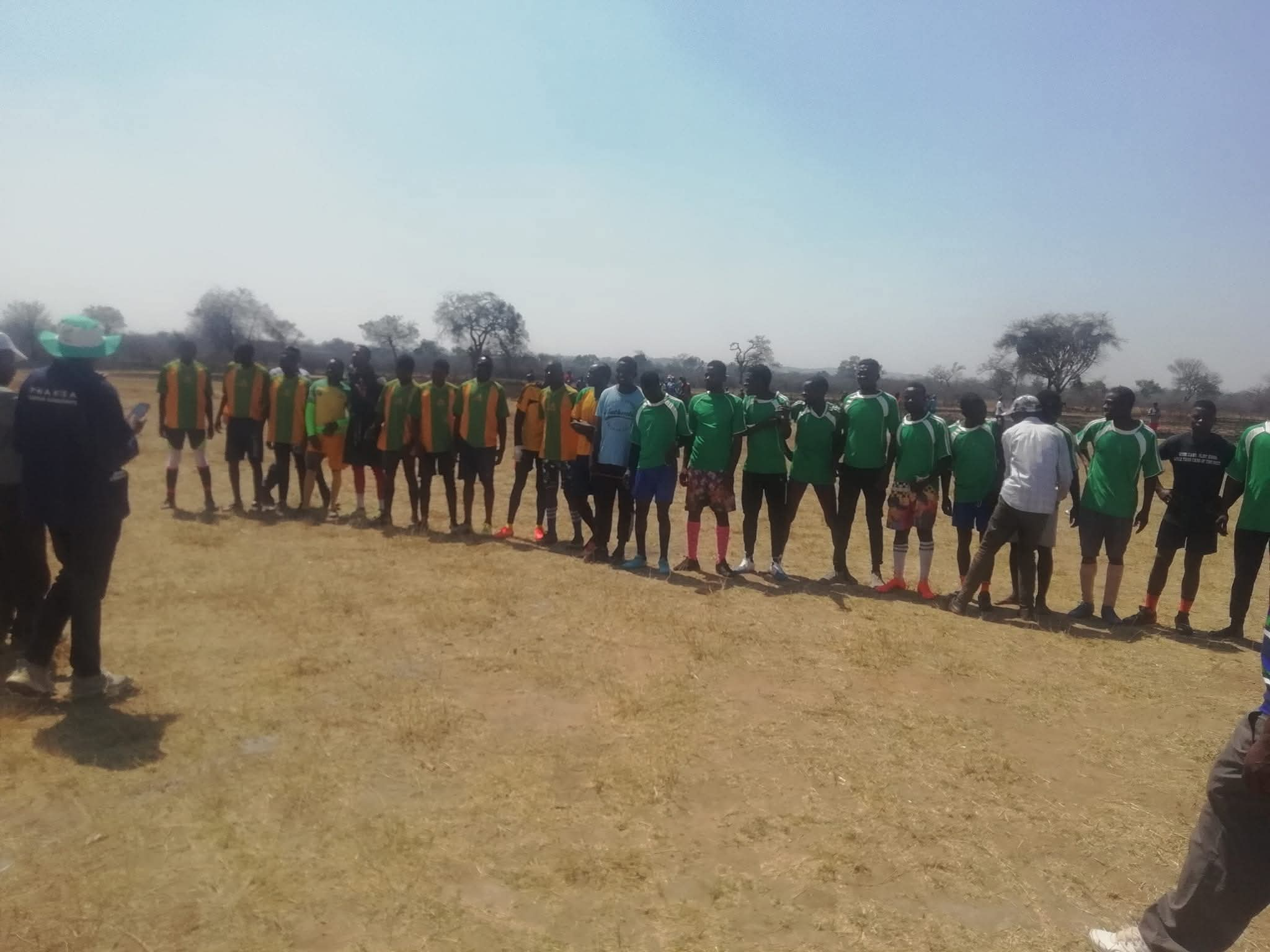
These efforts were showcased during the Miombo Conservation Field Day held in the Mataruse area of the district. The event was convened by the Community Technology Development Organisation (CTDO) through the Drylands Sustainable Landscapes Impact Programme (DSLIP).
Speaking during the event, CTDO Head of Programmes Fred Zinanga commended the Mataruse community for preserving forests, highlighting the role of traditional leaders in promoting environmental protection.
“The people in Mataruse are doing very well in preserving their forests. We are encouraged by the way traditional leaders are working together with their communities to conserve nature. This collaboration is important in ensuring that our woodlands are protected and sustainably managed for the benefit of present and future generations,” said Zinanga.
Village head Benias Mataruse received awards in recognition of his community’s conservation efforts.
The field day provided a platform for stakeholders to reflect on the ecological, economic, and social value of sustainable woodland management. Participants also shared experiences on protecting natural resources and addressing deforestation.
Roseline Musasa, from Ward 17 in the VaNyoro area, attended the event to learn from Mataruse’s conservation practices.
“I came from Ward 17 in the VaNyoro area to see how people in Mataruse conserve their trees and manage deforestation. I want to learn from their experiences so that we can also strengthen tree conservation efforts in our community,” she said.
Zinanga noted that responsible management of Miombo woodlands is critical in protecting biodiversity, conserving soil and water resources, preserving carbon stocks, and sustaining rural livelihoods.
Forestry Commission of Zimbabwe Masvingo Coordinator, Edwin Machokoto, identified veld fires as a major threat, urging communities to take collective responsibility for protecting forests.
“Since veld fires are a big threat to our forests, each and every one of us has a role to play in protecting our forests for future generations,” said Machokoto.
Miombo woodlands provide essential ecosystem services and support rural livelihoods, but deforestation, veld fires, and unsustainable land-use practices continue to threaten their survival.
The field day reinforced the importance of involving local communities in conservation decisions. Through DSLIP, CTDO is supporting sustainable landscape management and strengthening community participation in protecting Zimbabwe’s dryland ecosystems.
The Mataruse experience demonstrates how local leadership, collective responsibility, and knowledge-sharing can safeguard forests, conserve biodiversity, and build resilient rural communities.