EnviroPress Reporter
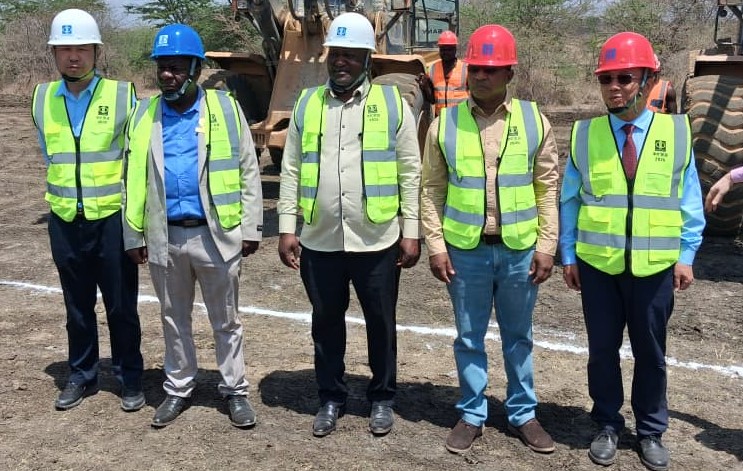
BIKITA — The clock is running on Bikita Minerals. The Sinomine-owned lithium mine is racing to complete a US$500 million lithium sulphate plant as Zimbabwe prepares to shut the door on exports of unprocessed lithium concentrate from January 2027.
The deadline is less than five months away — and industry officials have already warned that time is running out.
In June, Zimbabwean lithium producers asked Government for more time to complete processing plants, with the Lithium Producers’ Association saying the January deadline could be too tight. At the time, only Zhejiang Huayou Cobalt’s lithium sulphate plant at Arcadia was operational, while Bikita Minerals and other producers were still building their facilities.
A month later, Mines Minister Polite Kambamura insisted the January 2027 deadline remained in place. Huayou’s plant, however, cannot process concentrate from other producers because its capacity is already committed to its own output.
That leaves Bikita’s project strategically important — and under pressure.
Bikita says it has secured US$500 million for the lithium sulphate project. The company has said the first phase, capable of producing 60,000 tonnes of lithium sulphate a year, is scheduled for completion in the second quarter of 2027.
A second phase would add another 65,000 tonnes, taking annual capacity to 125,000 tonnes by 2028.
The dates expose the central problem: the national export ban is scheduled to begin before Bikita’s own stated first-phase completion date.
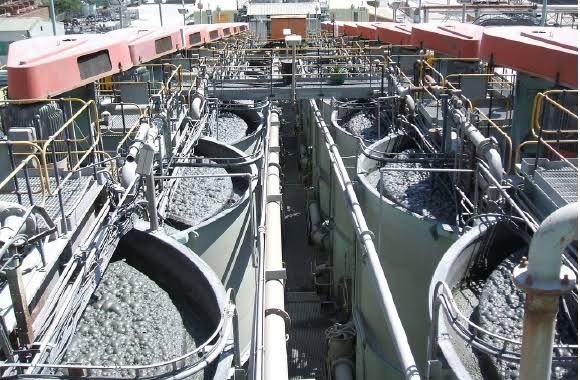
This is not a mine starting from scratch. Since Sinomine acquired Bikita in 2022, more than US$300 million has reportedly gone into expansion and beneficiation. The mine now has gravity-separation and flotation facilities producing petalite and spodumene concentrates, while additional processing for cesium and other minerals has expanded the operation’s industrial footprint.
Bikita has also become deeply embedded in the surrounding economy. The company directly employs more than 1,400 workers, with employment rising above 2,000 when contractors are included.
A 132kV power project has been built to improve electricity supplies to the mine and surrounding districts, while the company has funded a US$1 million health facility and drilled dozens of boreholes.
But Bikita’s expansion has also brought a harder question: how much pressure can the surrounding communities absorb while the mine accelerates?
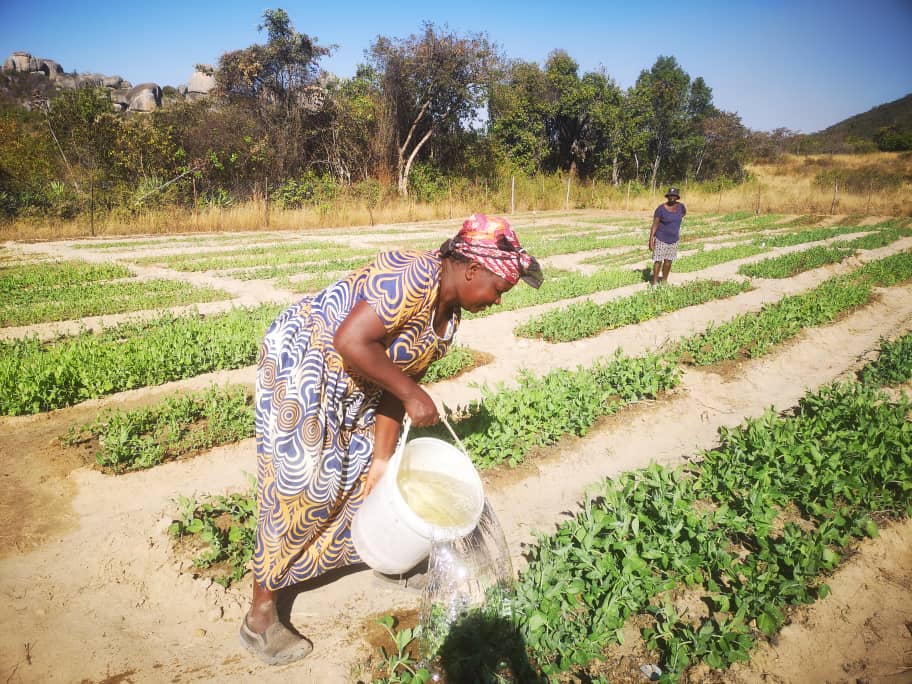
Villagers around Murape and Nherere have reported losing access to traditional water sources following mine expansion. Investigations have also documented displacement and disputes over land and compensation.
Bikita has disputed allegations of environmental harm and says it has provided alternative water supplies and engaged authorities and affected communities.
In June 2026, Government halted further expansion of Bikita’s controversial slime dam amid unresolved questions over land for relocating affected villagers.
The mine therefore faces two deadlines: one imposed by Government and another imposed by the realities of construction, infrastructure and community relations.
Zimbabwe exported about 1.13 million tonnes of lithium-bearing spodumene concentrate to China in 2025. The country wants that mineral processed at home so that more jobs, revenue and industrial capacity remain in Zimbabwe.
Bikita has already demonstrated that it can build quickly.
The question now is whether it can build — and commission — fast enough.