EnviroPress Reporter
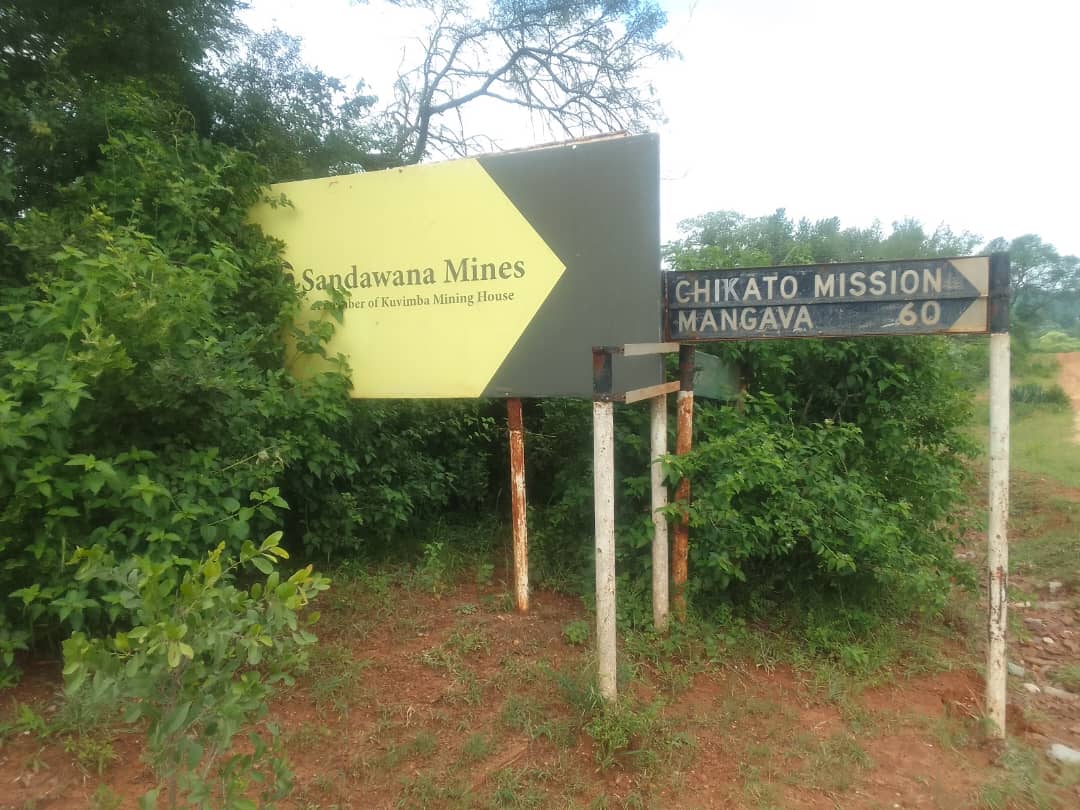
MBERENGWA — In the hills of rural Mberengwa, Sandawana Mine sits on a mineral-rich stretch of land that has moved from producing some of the world’s celebrated emeralds to becoming one of Zimbabwe’s strategic lithium assets.
The question now is not simply what lies beneath the soil, but who is answerable for what happens above it.
Sandawana was taken over by Kuvimba Mining House (KMH) in 2019 after years of inactivity. Government shares in KMH were subsequently vested in the Mutapa Investment Fund (MIF), Zimbabwe’s sovereign wealth fund. MIF’s own 2024 financial statements confirm that government shareholdings in Kuvimba were among the state assets transferred to the fund.
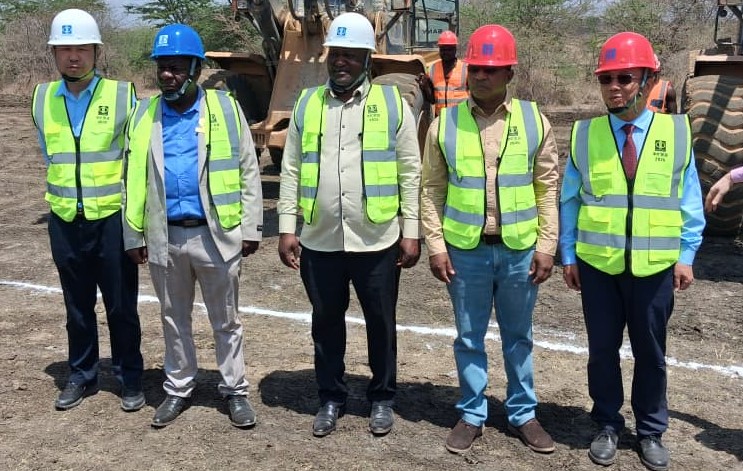
By 2026, Sandawana had become part of the state’s energy-minerals strategy. During a March visit to the mine, Vice-President Constantino Chiwenga described the resource as part of Zimbabwe’s mineral wealth that must benefit future generations.
The mine is now described as being under Mutapa’s ownership.
That makes scrutiny particularly important.
Sandawana’s mineral potential is substantial. Reports have put its lithium resource at about 100 million tonnes of ore, while the concession along the Mweza Mountain Range is also known to contain tantalite, mica, emeralds and other minerals. A planned processing project is expected to produce more than 500,000 tonnes of lithium concentrate annually, with commissioning targeted for 2027, subject to approvals.
But for villagers living around the mine, the mineral wealth has not always translated into visible wealth.
Traditional leaders have repeatedly demanded roads, health facilities, water infrastructure and greater local participation. In 2023, KMH promised a community share-ownership scheme and development projects. By February 2025, Chief Ngungumbane was publicly complaining that several commitments had not materialised.
Independent research has raised more serious concerns. The Centre for Natural Resource Governance reported complaints from villagers about exclusion from employment, dust, traffic, possible water and soil pollution, and the social disruption accompanying the mining boom.
The competing narratives — a company reporting community investment and villagers alleging unmet promises — expose the central accountability gap: who independently verifies either side?
Sandawana is subject to environmental regulation. The Environmental Management Agency says mining projects require an Environmental and Social Impact Assessment certificate and that developers must submit periodic reports. Yet environmental compliance is only one part of the equation.
As a state-controlled strategic asset, Sandawana also raises questions about revenues, production, contracts, dividends, procurement, taxation, employment and community benefits.
Zimbabwe’s Constitution gives Parliament an oversight role over state institutions, while the Auditor-General’s mandate includes auditing and reporting on the management of public resources. Mutapa itself has insisted that it is accountable to Parliament.
That accountability should not remain theoretical.
The people living beside Sandawana should not have to rely on corporate announcements or political visits to know what their mineral wealth is producing.
A state asset buried in a village is still a public asset.
And the public deserves to know who is watching the mine — and what they are finding.