EnviroPress Reporter
BIKITA — For villagers living around Bikita Minerals, the question is no longer simply whether lithium mining can bring jobs and development. It is whether the mine has the permits, safeguards and community commitments required by Zimbabwean law — and whether those promises can be independently checked.
Bikita Minerals, now owned by China’s Sinomine Resource Group, operates under a registered mining lease. Sinomine says the lease covers about 1,528 hectares.
But a mining lease is not a licence to ignore every other regulatory requirement.
Zimbabwe’s Environmental Management Agency (EMA) says prospecting, mining and quarrying projects require an Environmental and Social Impact Assessment certificate before implementation.
The certificate is generally valid for two years and requires quarterly progress reporting, with renewal procedures where applicable.
For citizens, that makes the EIA certificate and its underlying assessment among the most important documents to demand.
They should show what environmental and social damage was anticipated, how it would be prevented and what the company committed to doing if harm occurred.
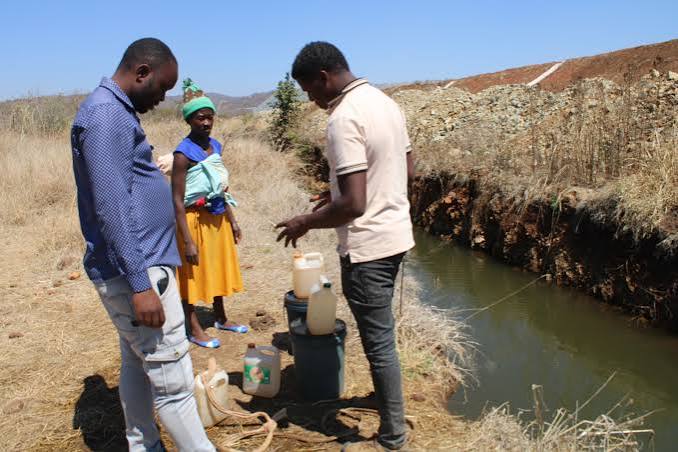
That question has become particularly important in Murape village, where mining expansion has collided with homes, farmland and water access.
The Zimbabwe Human Rights Commission (ZHRC) reported rights concerns involving villagers and recommended relocation of affected households, dust suppression under EMA supervision and additional boreholes.
Bikita Minerals has said it was working with authorities and community leaders on relocation and water solutions.
The dispute also reached the High Court. In February 2025, the court quashed an eviction ruling involving about 27 Murape families, finding there was insufficient evidence that the village had been gazetted for mining by Bikita Minerals.
The story did not end there. In January 2026, Bikita Minerals agreed, through a ZHRC-mediated process, to compensate and relocate nine affected families, with a reported package of US$1,500 and 20 tonnes of quarry stone per household.
There are also competing accounts over environmental compliance. Bikita Minerals has said it holds a valid EIA certificate for its spodumene processing plant and tailings dam, while community organisations have demanded access to the mine’s environmental documents.
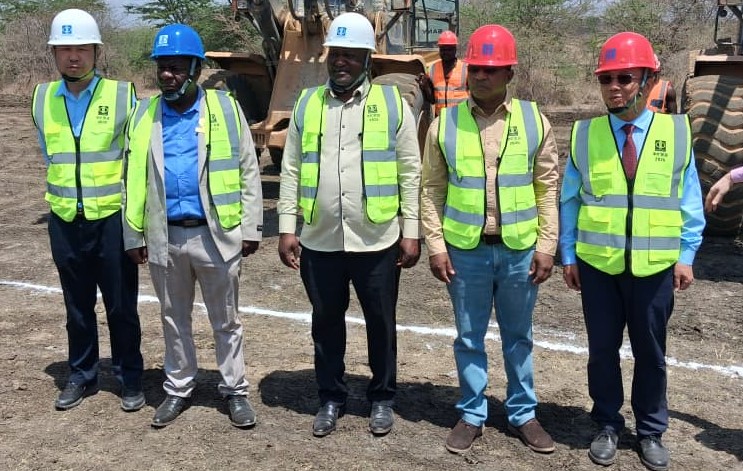
The mine points to substantial community investment: roads, schools, healthcare, boreholes, skills training and local procurement.
Its own disclosures say its social investment programme is intended to improve infrastructure and livelihoods.
The unresolved issue for residents is therefore accountability.
What should a citizen ask for? The mining title; current EMA certificates; approved EIA reports and environmental-management plans; evidence of water-use authorisations where applicable; relocation and compensation agreements; and records showing whether promised community projects were actually delivered.
Bikita’s lithium boom has created jobs, investment and infrastructure. But permits are only the beginning.
For communities living beside the mine, the real test is whether the documents, promises and protections on paper translate into clean water, secure land, fair compensation and lasting development.