EnviroPress Reporter
In Bikita, the future of water is becoming as important as the future of lithium.
For communities living around Bikita Minerals, Zimbabwe’s lithium boom has unfolded against a much older reality: a dry district where reliable water has long been scarce.
The question now is whether mining-led development can coexist with secure water supplies for households, livestock and agriculture.
The warning signs are already visible.
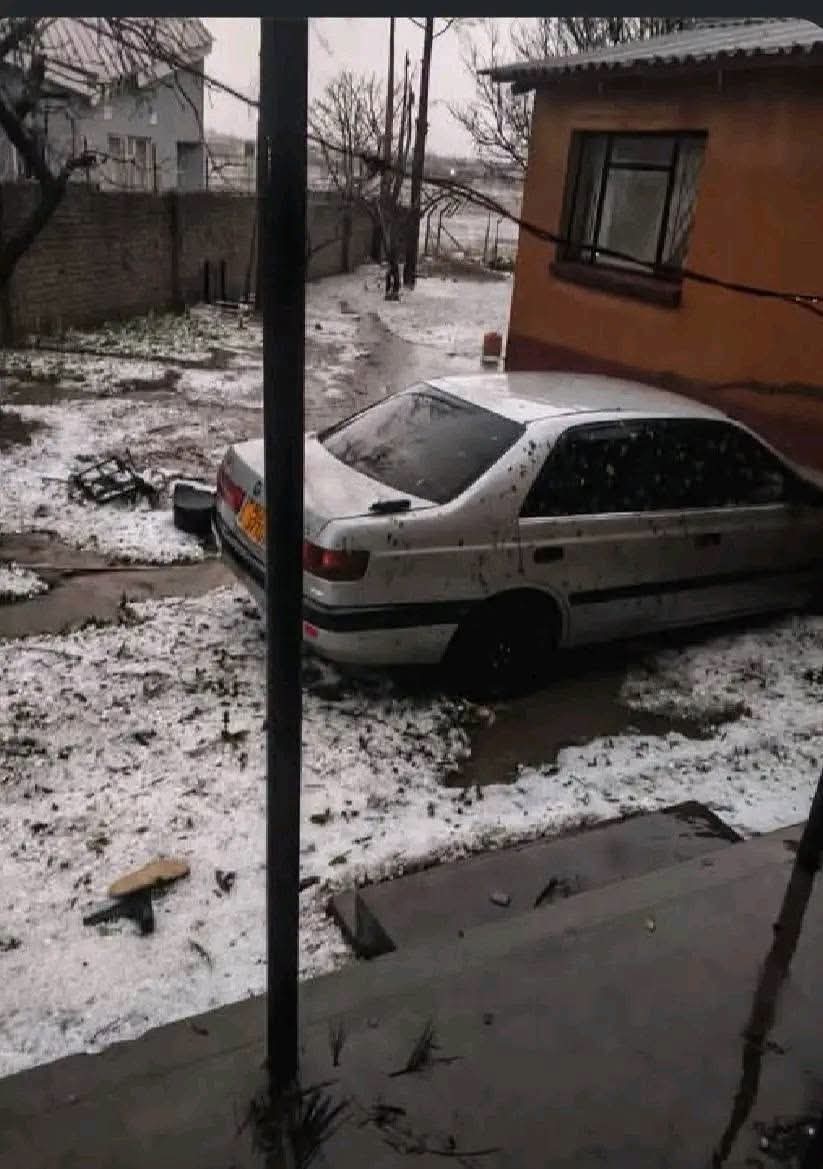
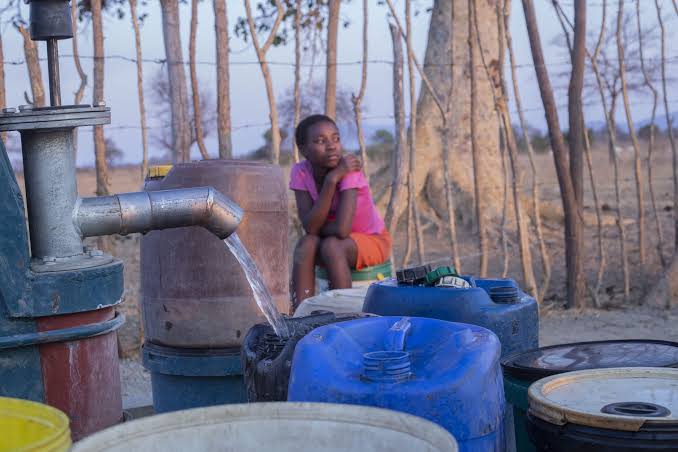
In 2024, UNICEF described Bikita as traditionally dry and reported that El Niño-induced drought had dried many hand-pumped boreholes.
In Tochiona village, children and women were walking as far as six kilometres to collect water, with long queues creating risks of violence and abuse.
Elsewhere in Ward 5, EnviroPress reported villagers sharing a spring with animals after household wells dried up.
Two years after the government announced its Presidential Borehole Drilling Scheme, residents were still waiting for a promised borehole.
Mining has added another layer to the water debate.
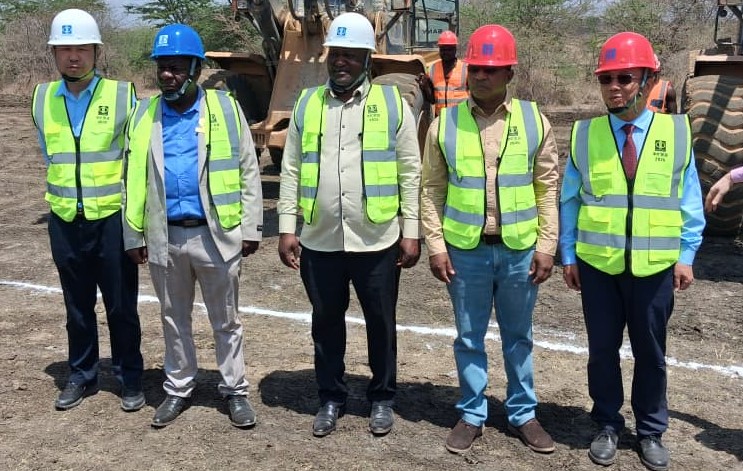
Bikita Minerals, owned by China’s Sinomine Resource Group, has expanded its operations as Zimbabwe positions lithium as a strategic mineral.
The company says it has an environmental management system certified to ISO 14001:2015 and lists water-access projects among its community programmes.
It has also invested in water infrastructure. EnviroPress reported in 2023 that the company had begun drilling boreholes, including 14 in Bikita West, six in Masvingo West and six in Masvingo North, with more planned. In 2025, the company said it had drilled 38 boreholes in Masvingo.
But community concerns have not disappeared.
In February 2026, villagers petitioned the Environmental Management Agency over alleged water risks linked to a slime dam at Murape in Ward 11.
The petition sought access to environmental assessments and management plans and alleged that contaminated water from construction trenches had entered the Mungezi River.
EMA said its provincial head had not yet seen the petition at the time of reporting.
The dispute follows an earlier effluent incident at Matezva Dam. EMA fined Bikita Minerals US$5,000 and ordered a clean-up after a spill.
EMA said the mine subsequently installed a pre-treatment plant and emergency holding pond. The company said the spill was not harmful and contained no chemicals.
There is also disagreement over water abstraction. Communities have alleged that mining operations are putting pressure on Matezva Dam, but the Zimbabwe National Water Authority has rejected claims that Bikita Minerals is drawing water unsustainably.
ZINWA said the dam remained sufficiently stocked to serve the mine and other users, although it declined to disclose the mine’s monthly abstraction records, citing client confidentiality.
That leaves Bikita facing a difficult test.
The district needs mining investment, but its communities also need water that is dependable long after the lithium boom moves on.
Boreholes and emergency projects can provide relief. The harder task is building a transparent system in which mining, agriculture, households and ecosystems can share a finite resource.
For Bikita, that may ultimately be the measure of whether its mineral wealth delivers a sustainable future—or simply a temporary economic boom.