EnviroPress Reporter
MBERENGWA— On the dusty roads around Sandawana Mine, the lithium boom is measured less in dollars than in truckloads.
Heavy vehicles carrying ore rumble through villages in Mberengwa, raising dust and placing pressure on roads and bridges.
For communities living beside one of Zimbabwe’s most closely watched battery-mineral projects, the promise of lithium has brought jobs and investment — but also a harder question: what happens if the price collapses again?
That question is no longer hypothetical.
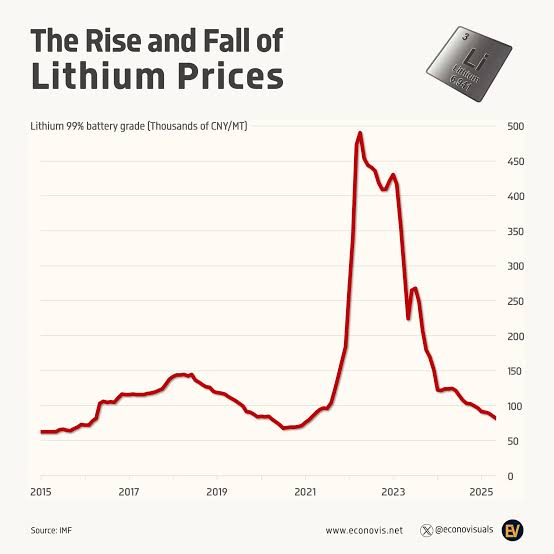
Zimbabwe’s lithium industry has already experienced a brutal price shock. Spodumene prices fell from more than US$6,000 a tonne at the end of 2022 to below US$1,000 by the end of 2024.
In 2025, Zimbabwe exported 1.128 million tonnes of spodumene concentrate, up 11%, but export earnings barely moved, reaching US$513.8 million as weak prices offset higher volumes.
Sandawana felt the downturn. During the earlier slump, the mine operated below its intended scale, while local reports documented job losses and uncertainty over the viability of lithium operations.
Now the project is being rebuilt around a much bigger bet.
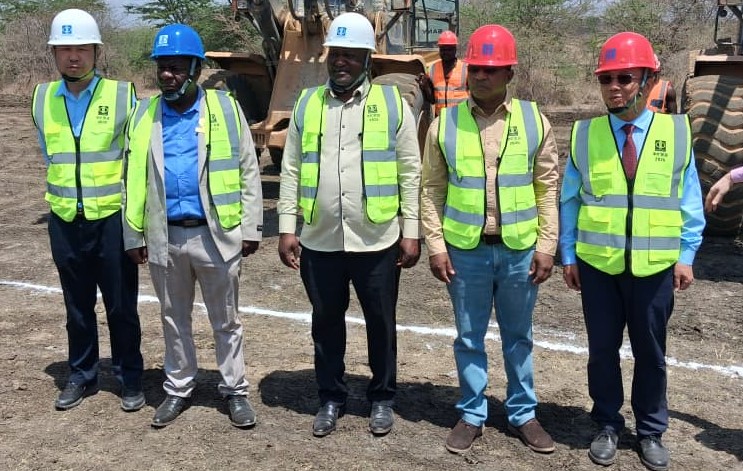
Mutapa Energy Minerals, which inherited the state mining portfolio formerly held by Kuvimba Mining House, plans a lithium concentrate processing plant at Sandawana.
Government officials say construction is expected to begin this year, while the project is being developed with Chinese partners Zhejiang Huayou Cobalt and Tsingshan Holding Group.
The proposed operation is intended to process hundreds of thousands of tonnes of ore annually and move Sandawana further up the value chain.
The scale is significant. In July, Mutapa announced a JORC-compliant resource of 39.9 million tonnes of lithium-bearing material in Block A alone — roughly 30% of its 3,800-hectare concession.
But bigger production does not automatically mean a safer future for Mberengwa.
In March, villagers told the Herald that trucks carrying lithium had left roads damaged and communities feeling excluded from the mineral wealth passing through their area.
Earlier reporting by EnviroPress recorded complaints that more than 40 heavy trucks were using roads towards Gwanda each day, worsening dust and road deterioration. Kuvimba said it was working with stakeholders on infrastructure needs.
A 2025 study by the Centre for Natural Resource Governance also recorded complaints over blasting, dust, displacement, employment and inadequate consultation around Sandawana. More recent research covering Zimbabwe’s lithium communities found that 94% of surveyed respondents felt their input was not valued by mining companies.
For Zimbabwe, the answer to another lithium downturn cannot simply be to produce more ore.
The government is pushing miners towards local processing, with a ban on concentrate exports scheduled for January 2027. But in June, lithium producers asked for more time, warning that plants were still under construction or at feasibility stage, including Sandawana.
That leaves the real test of a “just transition” at Sandawana: whether the next price cycle leaves behind more than an extraction site.
If prices fall again, the communities around the mine will not only be asking how much lithium Zimbabwe can produce. They will be asking how much resilience, infrastructure, skills and lasting economic opportunity the boom has created before the market turns.