EnviroPress Reporter
For Bikita Minerals, the defining test of Zimbabwe’s lithium boom in 2026 may not be how much spodumene the mine can produce, but whether the communities living around it can reliably access water.
The question is becoming harder to ignore as mining expands and the company prepares for further processing investment at its Bikita operation. Sinomine Resource Group, which owns Bikita Minerals, plans a lithium sulphate plant at the mine as Zimbabwe moves to force greater local processing of lithium concentrates.
But around the mine, water is already a contested resource.
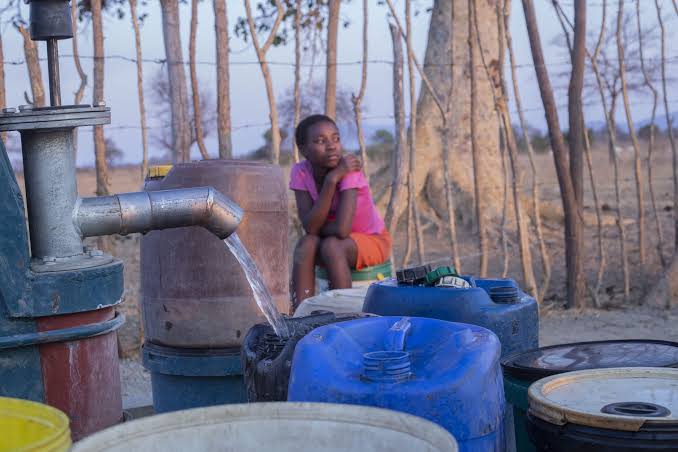
Matezva Dam, on the Bikita-Gutu boundary, supplies communities downstream and supports a 50-member irrigation scheme. In 2024, villagers reported that the Mungezi River had run dry downstream of the dam after months without releases, leaving households and livestock struggling for water. The Zimbabwe National Water Authority (Zinwa) said it was managing releases to prevent the dam from falling to unsustainable levels.
The dispute goes beyond scarcity. In 2023, Bikita Minerals experienced a spill into Matezva Dam and was fined US$5,000 by the Environmental Management Agency, according to an investigation by Oxpeckers. The exact substances involved could not be established by subsequent testing. Bikita Minerals said the incident lasted only a few hours, was quickly contained and was not harmful.
The mine has also faced allegations that its expansion has disrupted traditional water sources. Residents of Murape have said a slime dam constructed during the mine’s expansion buried a communal well that had served the area for decades. The Zimbabwe Human Rights Commission subsequently investigated complaints concerning environmental and property rights. Bikita Minerals says the well was considered unsafe for human consumption and that it installed a borehole at Beardmore Primary School as an alternative.
The company says its response to water shortages extends beyond Murape. In a written response, Bikita Minerals said it had drilled more than 36 boreholes in Bikita West and parts of Masvingo since 2023, with a stated objective of keeping communities within one kilometre of a water source.
Yet the pressure on water is unlikely to disappear as lithium production and processing grow.
That is because the mine is operating in one of Zimbabwe’s drought-prone rural areas, where water is not merely an industrial input. It is the difference between a productive garden and a failed crop, between livestock surviving and dying, and between a community remaining in place or being forced to move.
Zinwa has disputed claims that Bikita Minerals is drawing Matezva Dam down to unsustainable levels.
It reported that the dam was 96.7% full at the opening of the 2023/24 rainy season and 97.4% at its close, although it declined to disclose the mine’s monthly abstraction records, citing client confidentiality.
That information gap matters.
Zimbabwe is entering a new phase of its lithium industry, with government pushing miners towards domestic processing and greater value addition.
For Bikita Minerals, the environmental licence to expand its footprint will increasingly be measured not only by production figures, investment and jobs, but by what happens to the water beneath and beyond its fences.
In 2026, the lithium story is therefore also a water story.