EnviroPress Reporter
MBERENGWA — After months of promises, approvals and shifting timelines, Sandawana Mine is entering a decisive stretch that could determine whether its lithium ambitions become one of Zimbabwe’s biggest mining-to-processing projects.
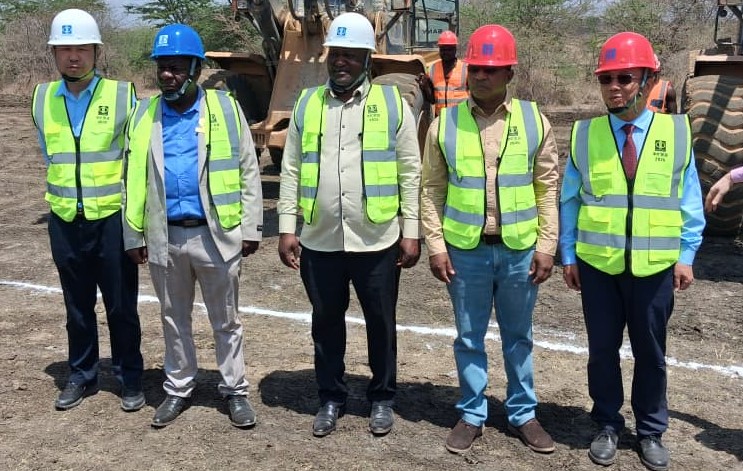
The state-controlled operation is expected to move ahead with construction of a large lithium concentrator in Mberengwa, with the latest project update putting construction within the next four to six months and commissioning targeted for 2027.
The countdown follows a year in which the project repeatedly moved towards a groundbreaking date. In November 2025, Kuvimba Mining House said its US$270 million processing plant was awaiting Cabinet approval, with agreements under a build-operate-transfer (BOT) model already concluded with international investors.
By March this year, officials were publicly saying construction would begin in June. During a tour of the mine, Vice-President Constantino Chiwenga was told that the proposed three-million-tonne-per-year concentrator would take about 18 months to build.
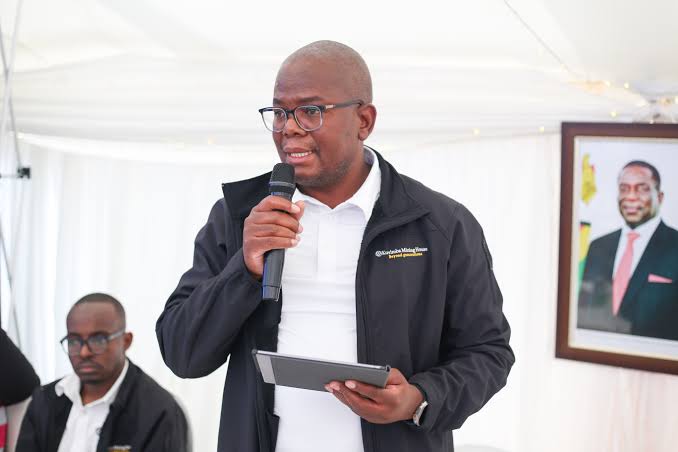
That June deadline has since passed, but the project has not disappeared from the agenda. Instead, the latest statement from Kuvimba chief executive Trevor Barnard indicates construction is still expected to start before the end of the year, with commissioning planned for 2027.
The stakes have risen sharply.
In July, Mutapa Energy Resources, which now oversees the asset, announced a JORC-compliant resource of 39.9 million tonnes of lithium ore at 1.39% lithium oxide from Block A alone.
Crucially, Block A represents only about 30% of the roughly 3,800-hectare mining concession, leaving substantial ground still to be explored.
Sandawana has already shifted from its historic identity as one of Zimbabwe’s celebrated emerald fields to a lithium operation.
Emerald mining began commercially in 1958 after discoveries around the Mweza Range in the 1950s. The mine lies about 65 kilometres south of Mberengwa town, in a remote part of the district.
For surrounding communities, the construction timetable is about more than lithium.
Sandawana has spent heavily on local infrastructure, including rehabilitation of the 60-kilometre gravel road linking the mine with the Beitbridge highway, while also supporting borehole projects and school improvements.
In 2025, the company said almost US$500 000 had been committed to community initiatives, with about US$400 000 going towards road works.
The promised processing plant therefore carries expectations of jobs and a deeper local economic footprint.
Kuvimba previously projected more than 2,000 jobs during the initial phase, mainly for people from Mberengwa.
Zimbabwe’s wider policy direction adds urgency. The government is pushing miners to beneficiate lithium locally rather than export value-added opportunities, making Sandawana’s processing plans strategically important.
But for now, the critical question is no longer whether Sandawana has lithium. It is whether construction can finally move from announced dates to bulldozers, foundations and steel before 2026 runs out.
For Mberengwa, the countdown is already underway.