EnviroPress Reporter
MBERENGWA — Sandawana Mine is entering a decisive phase of its transformation into one of Zimbabwe’s major lithium operations, but the project’s success will be measured not only by tonnes mined and concentrate produced.
For communities living around the mine, the condition of roads, access to services and the treatment of families affected by expansion are becoming equally important tests of its social licence to operate.
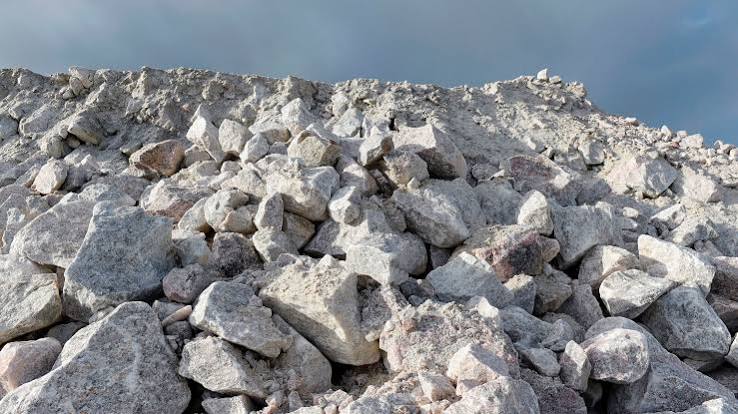
The mine’s prospects have strengthened sharply. In July, state-owned Mutapa Energy Resources announced a JORC-compliant lithium resource of 39.9 million tonnes from Block A, representing only about 30% of its 3,800-hectare concession. About 28.7 million tonnes are classified as measured resources, while the remaining 70% of the concession is still largely unexplored.
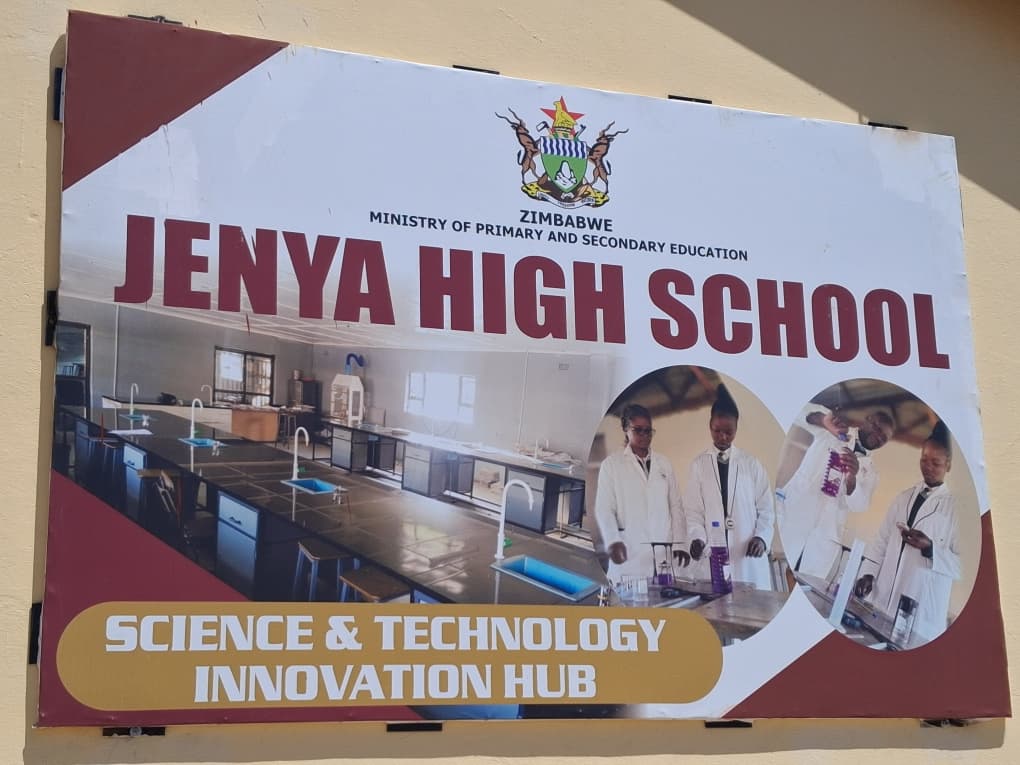
Mutapa says it has already extracted about two million tonnes of ore and is constructing a three-million-tonne-per-year concentrator, alongside roads and other supporting infrastructure. The project also involves relocating 104 families and developing a school and clinic.
But infrastructure remains a major constraint.
In February, Mutapa Energy Resources chief executive Innocent Rukweza said poor roads were hampering the movement of ore to Gwanda for toll processing, with the mine becoming difficult to access during the rainy season. The company estimated critical infrastructure requirements, including roads, power and water, at more than US$20 million.
The problem is also being felt by residents. In March 2025, Mberengwa Ward 29 councillor Collen Mhloro said more than 40 heavy trucks were using the road to Gwanda each day, placing severe pressure on local roads. Residents complained of dust and deteriorating access, with some saying ambulances struggled to reach communities. Kuvimba Mining House said it was working with partners and stakeholders to map infrastructure requirements and improve the roads.
The concerns are not new. In 2024, traditional leaders demanded that major routes used by mine trucks be tarred and called for better social amenities. They also raised concerns over the relocation of Sandawana Primary School and households located within the expanding mining area, insisting that affected families receive proper compensation and quality replacement housing.
The company has since reported progress on community projects. In 2025, Sandawana said it spent about US$475,000 on community social responsibility initiatives, including roads, solar-powered boreholes and school improvements.
Yet the scale of the proposed mine raises the stakes. The company previously announced a major road rehabilitation programme, while Mutapa has targeted construction of the concentrator as part of a broader push to process more lithium locally.
Sandawana’s challenge is therefore no longer simply proving that lithium lies beneath Mberengwa. The latest resource figures have answered much of that question.
The harder test is whether the wealth generated above ground can translate into reliable roads, functioning public services, fair relocation and visible economic opportunities for the communities that live alongside the mine.
For Sandawana, the road to becoming a major lithium producer may ultimately run through the same communities whose support will determine how smoothly that transformation unfolds.