EnviroPress Reporter
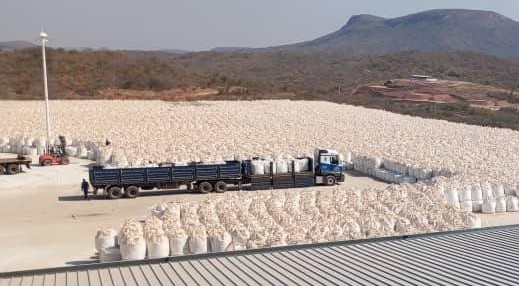
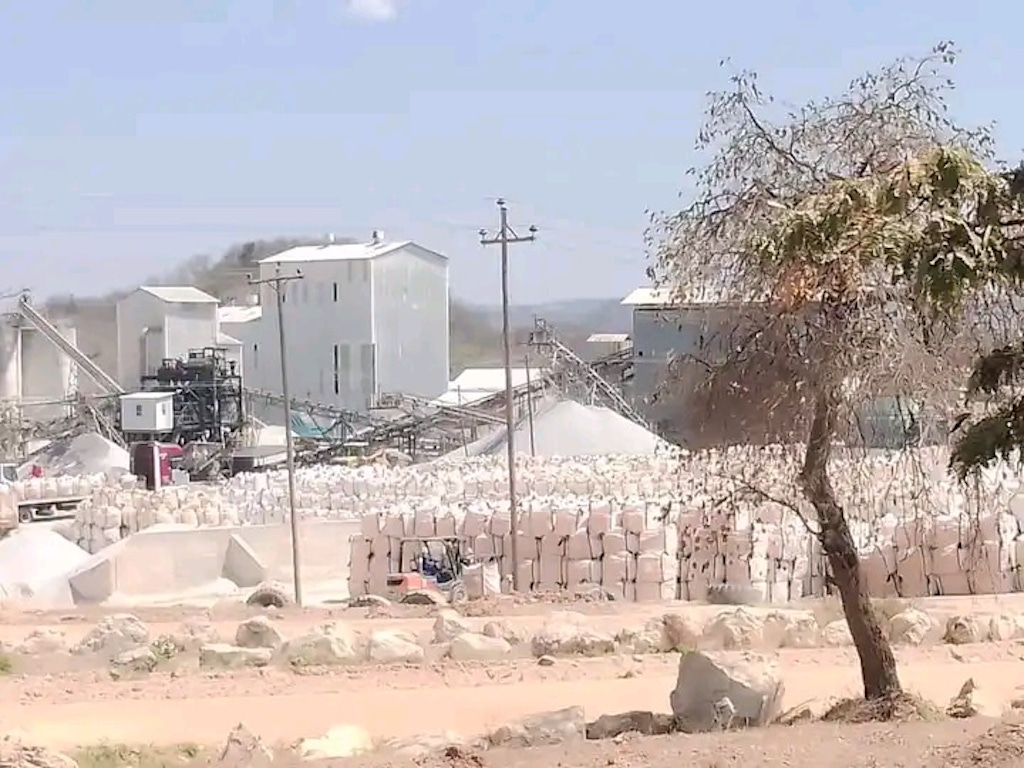
As Zimbabwe positions itself as a key player in the global lithium market, fresh concerns are emerging about the human cost of the country’s mineral-driven growth—particularly labour rights violations in and around the booming lithium mining sector.
Reports from workers in lithium-rich areas like Bikita and Goromonzi describe long hours, poor safety standards, and a lack of protective equipment in both mining and processing plants.
Others have raised alarms over subcontracted labour—often construction workers building roads, smelters, and storage facilities—who operate outside formal protections.
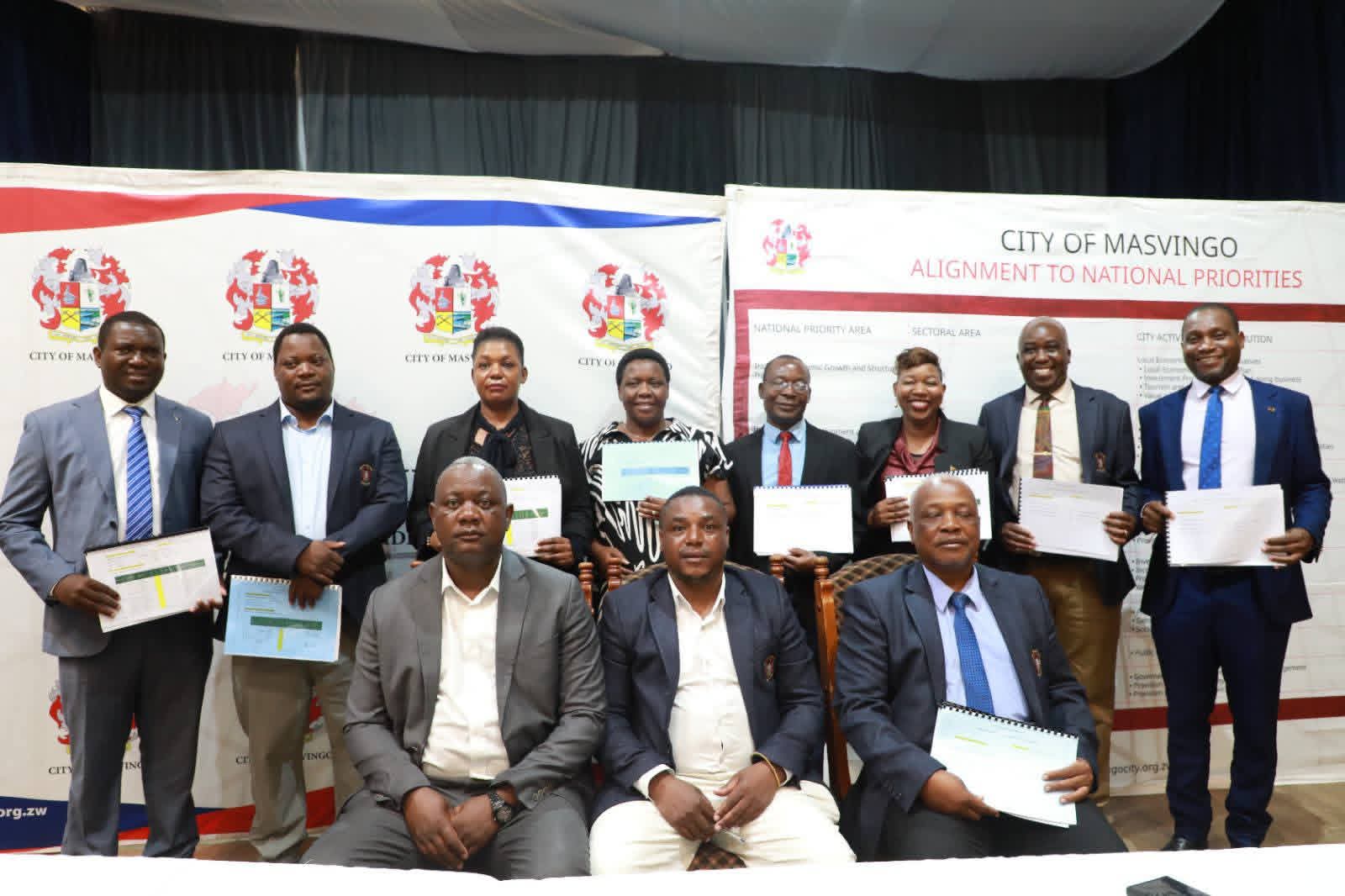
The Zimbabwe Diamonds and Allied Minerals Workers Union (ZDAMWU) and the Associated Mine Workers Union of Zimbabwe (AMWUZ) have teamed up to advocate for fair labour practices in the lithium mining sector.
ZDAMWU general secretary Justice Chinhema revealed that the labour violations are increasingly becoming rampant and negotiations are underway to protect workers.
“Labour rights violations in lithium mining companies occur directly in mining and processing operations. They also occur indirectly through contractors, such as construction services providers to lithium miners in Zimbabwe,” said Chinhema.
With massive foreign investment pouring into the country—especially from Chinese companies—pressure is mounting to meet production targets, sometimes at the expense of workers’ welfare.
“Contractors are the loophole. There are no contracts, no safety gear, and no one to report to if something goes wrong,” said Chinhema.
While Zimbabwe’s Labour Act guarantees basic worker rights, experts say enforcement is weak, particularly in rural mining zones where inspection capacity is limited and workers fear retaliation for speaking out.
Lithium is central to Zimbabwe’s Vision 2030 economic blueprint, and the government has taken steps to attract investors while promoting local beneficiation and job creation. But on the ground, workers say the benefits are not equally shared.
Some workers allege discriminatory practices, where local employees are paid far less than their foreign counterparts for similar work. Others point to the lack of unions or collective bargaining structures in new mining operations.
“There can be no green energy future built on the backs of exploited workers. Zimbabwe must ensure that its lithium success story includes justice and dignity for those doing the hardest work,” said AWMUZ in a statement.