EnviroPress Reporter
MBERENGWA — The lithium price collapse that forced Sandawana Mine to cut 300 contractor jobs in early 2024 is still shaping the employment fortunes of communities around the Mberengwa operation, even as the mine moves towards a new phase of expansion that could create thousands of jobs.
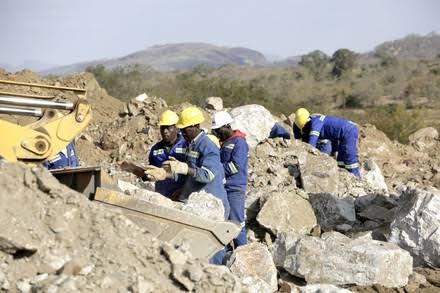
Sandawana, one of Zimbabwe’s major lithium projects, was forced to scale back operations after global lithium prices plunged. Mine general manager Godwin Gambiza said in February 2024 that prices had fallen so sharply that they were below the cost of mining the ore. The company reduced its contractor workforce from about 1,000 to 700 and relied on accumulated stockpiles while it waited for market conditions to improve.
The cuts exposed the vulnerability of Mberengwa’s mining-dependent communities to global commodity cycles. At the height of the lithium rush, Sandawana had employed about 1,500 people, including contractors, with local leaders welcoming the mine as a major source of jobs in a district long affected by limited employment opportunities.
But the recovery has been uneven.
In August 2025, the mine recruited 26 Mberengwa residents for road rehabilitation work, providing a modest source of income after hundreds of jobs had disappeared during the price downturn. Local residents welcomed the initiative, although the scale of employment remained far below that generated during the boom.
Community concerns have also persisted. A Centre for Natural Resource Governance study reported complaints from villagers over limited access to mine jobs, including allegations that qualification requirements excluded people from surrounding communities. The report also raised concerns about overcrowded mine accommodation and pressure on local social infrastructure.
The prospects for larger-scale employment now rest heavily on Sandawana’s planned processing expansion.
In November 2025, Kuvimba Mining House chief executive Trevor Barnard said the first phase of a proposed lithium processing project could create more than 2,000 local jobs.
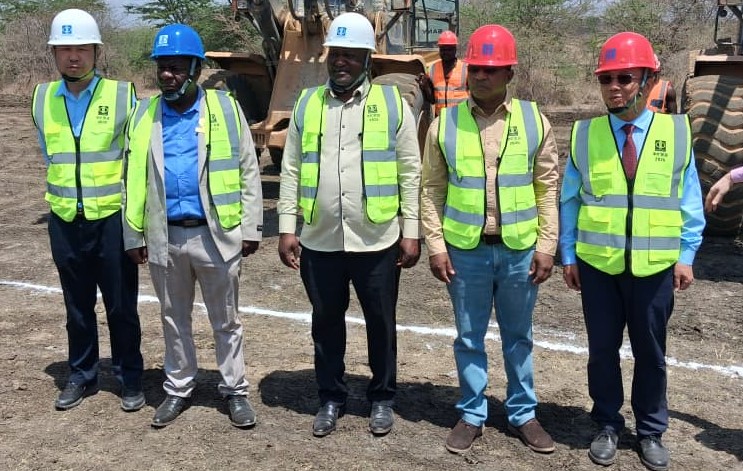
The project has since moved closer to implementation. Vice-President Constantino Chiwenga said in March 2026 that construction of a three-million-tonne-a-year lithium concentrator was expected to begin in June, with completion targeted within 18 months.
Sandawana’s resource base has also strengthened the case for expansion. In July 2026, state-owned Mutapa Energy Resources announced an independently certified 39.9-million-tonne lithium resource in Block A, covering roughly 30% of its 3,800-hectare concession.
Yet the global market remains a critical risk. Zimbabwe’s lithium export earnings fell 11% in the first nine months of 2025 despite a 27% increase in volumes, as weak spodumene prices continued to weigh on revenues.
For Mberengwa, therefore, the question is no longer simply whether Sandawana has lithium. It is whether the next investment cycle can convert the resource into stable, local employment — and whether those jobs will survive the next price shock.