EnviroPress Reporter
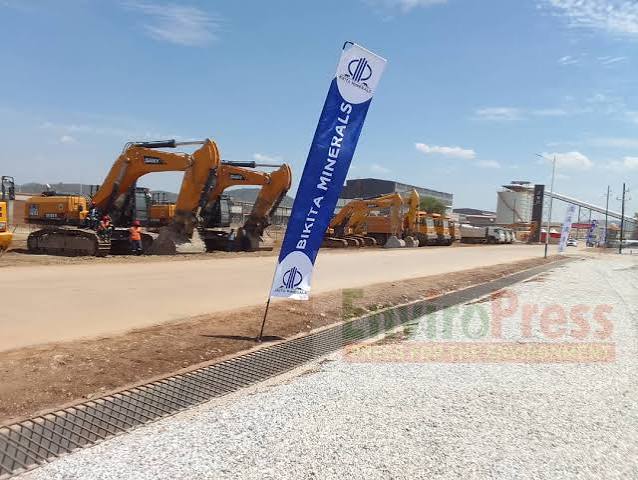
BIKITA- For a mining company sitting on one of Zimbabwe’s most closely watched lithium deposits, the harder question is no longer whether Bikita Minerals is investing in its host communities. It is whether those investments are enough to convince residents that the lithium boom is improving their lives.
The answer emerging from recent reports and community research is mixed.
Bikita Minerals, owned by China’s Sinomine Resource Group, has expanded rapidly since its acquisition in 2022.
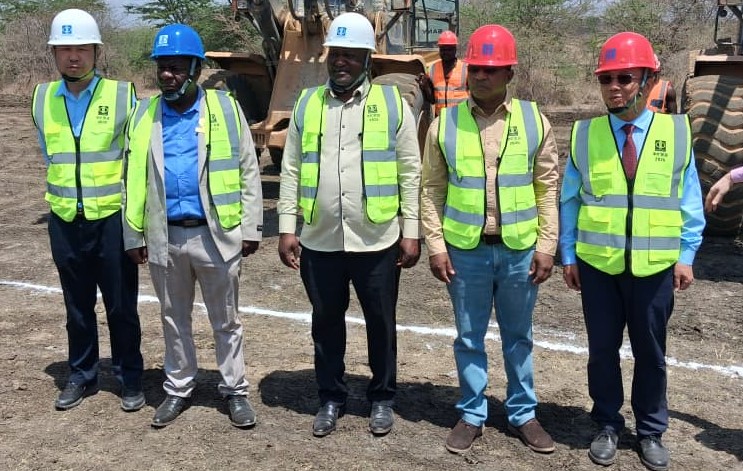
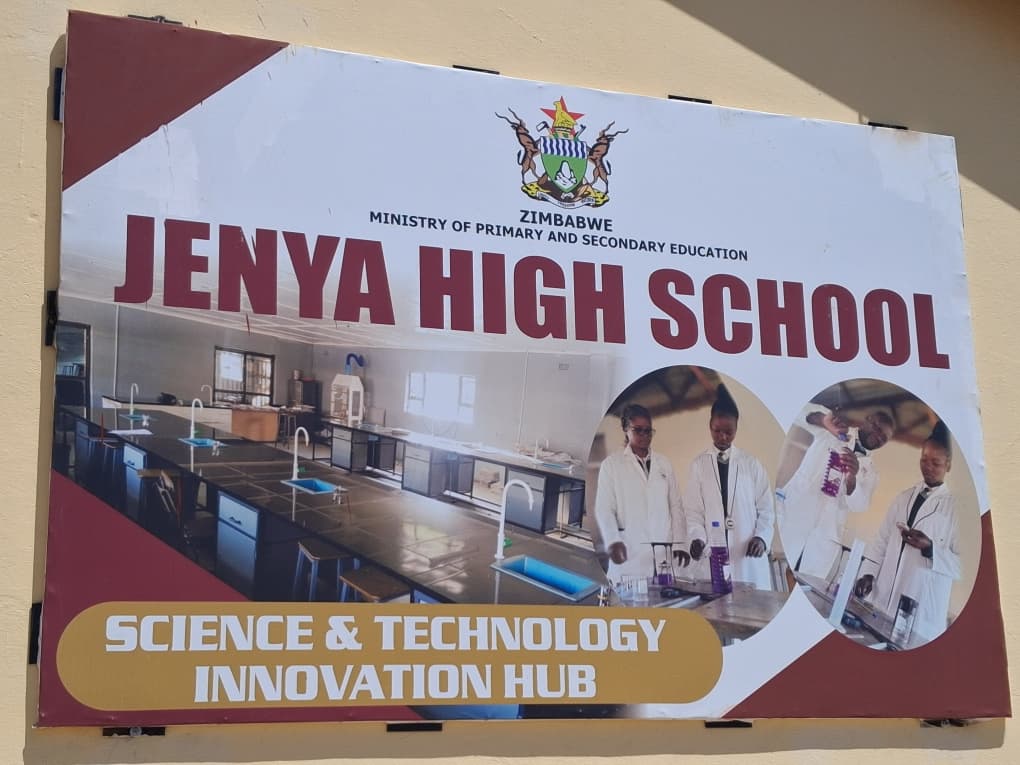
The company says its social investment includes water infrastructure, roads, schools, healthcare, skills development and community empowerment.
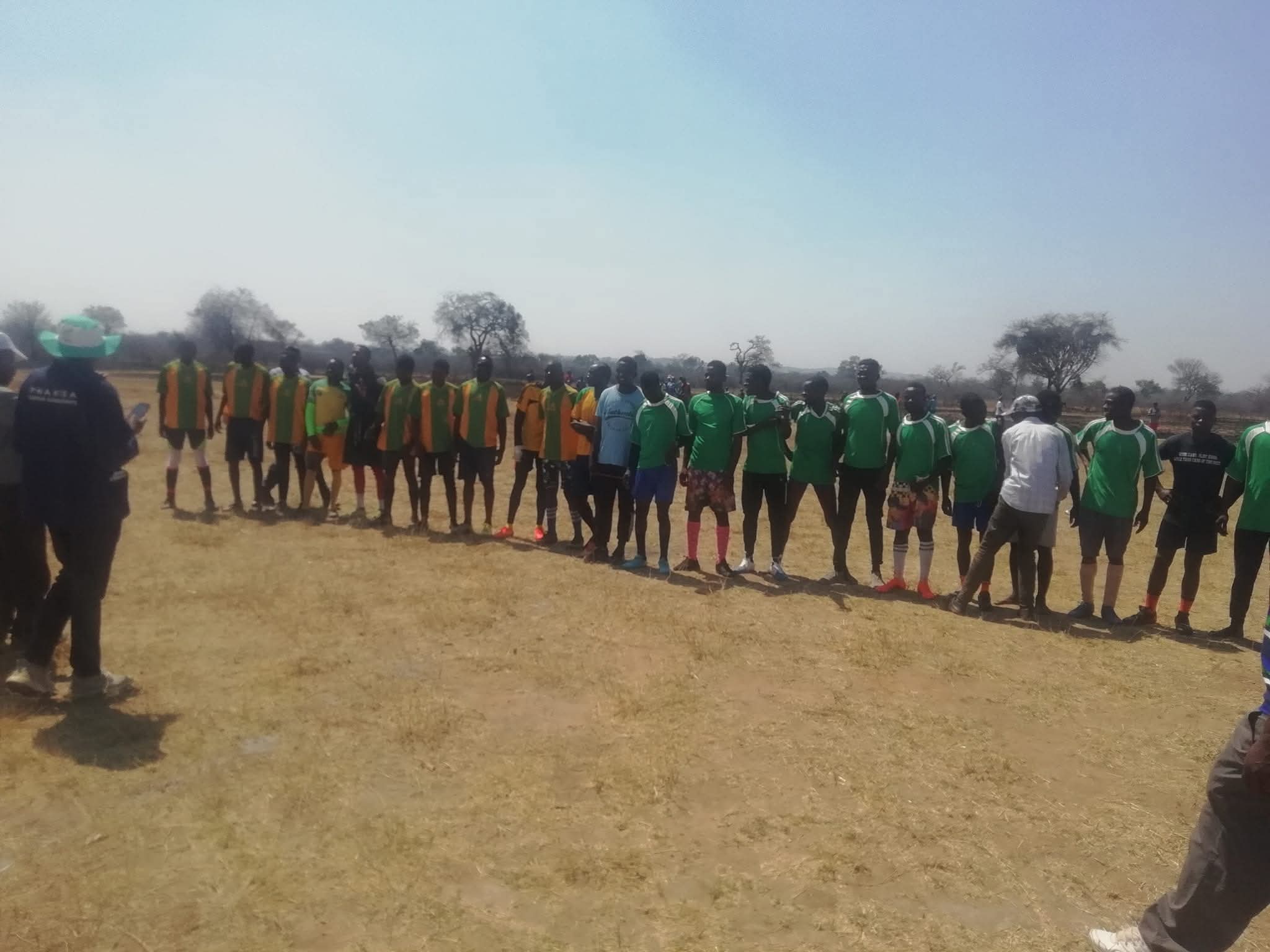
In 2026 alone, it has publicised a three-day free medical camp serving residents and a school-feeding programme that reached thousands of pupils.
But beyond the mine’s public-facing projects, some residents continue to describe a more difficult reality.
The sharpest disputes have centred on land and water in Murape and other communities affected by mine expansion.
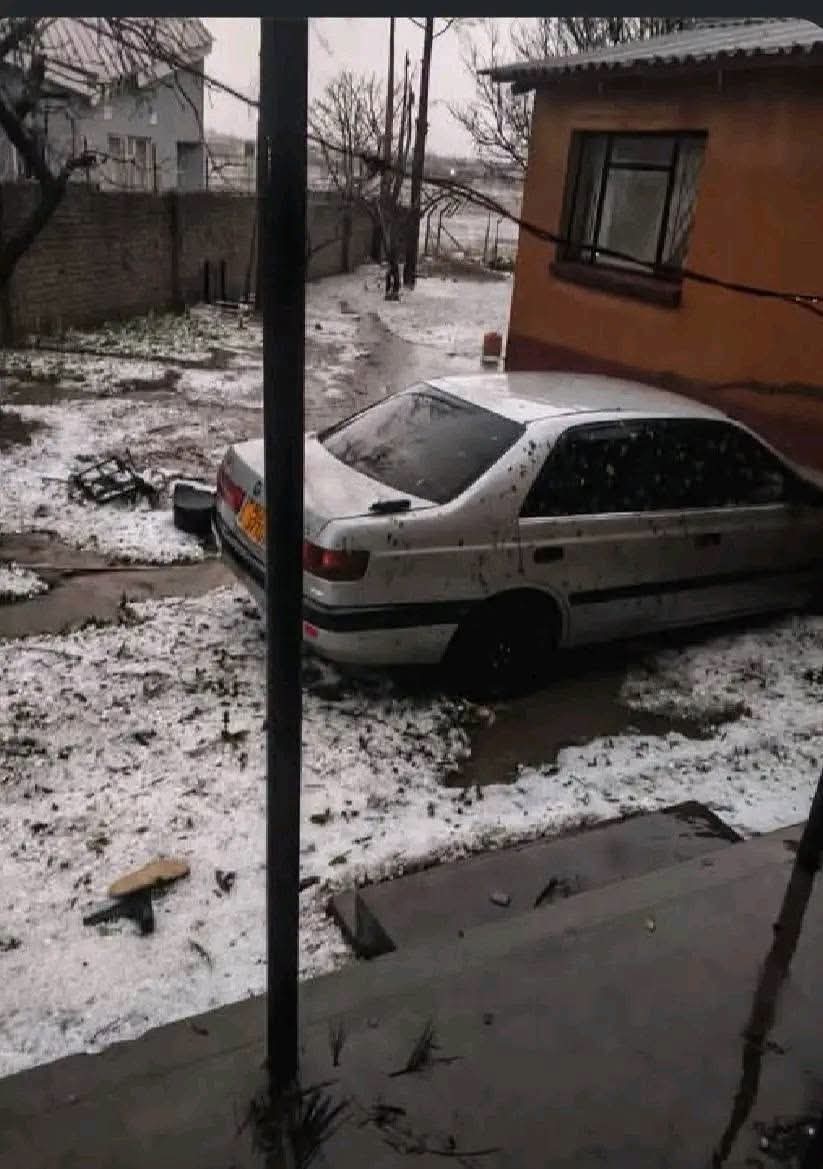
Residents have reported losing access to homes, fields, grazing land and traditional water sources. In 2024, local reporting said a mine trench and slime dam had cut more than 300 villagers off a protected well, forcing some to travel several kilometres for water.
The Zimbabwe Human Rights Commission subsequently investigated the dispute. Its findings prompted recommendations for the relocation of eight households, additional boreholes and measures to address environmental and safety concerns.
Bikita Minerals says it has been implementing those recommendations and has drilled more than 36 boreholes in Bikita West and Masvingo North since 2023.
That suggests an important shift: confrontation has, at least in some cases, moved towards negotiation.
A 2026 ActionAid case study found that affected households became more involved in relocation discussions after civil-society and human-rights interventions.
Residents were able to raise grievances formally and participate more directly in negotiations over relocation packages and livelihood impacts.
Yet dissatisfaction has not disappeared.
A 2025 investigation by Rest of World found that some local leaders and residents felt the benefits of mining remained inadequate.
Chief Ishmael Mudhe said hundreds of locals had obtained jobs but questioned whether the wider community was seeing development capable of lasting beyond the life of the mine.
The company, meanwhile, said its policy targets 80% local recruitment and that it had committed more than US$30 million to community investment over two-and-a-half years.
The wider community evidence is equally revealing. A 2026 study of Zimbabwe’s lithium mines recorded 39 survey responses around Bikita.
On water provision, 29 respondents rated the mine’s performance as poor or fair, while only six rated it good. Electricity provision received an even weaker assessment, with 37 of 39 respondents rating it poor or fair.
That is the paradox at the heart of Bikita’s social licence.
There is visible investment: boreholes, feeding schemes, healthcare, roads and jobs.
But there are also residents who measure development differently — by whether they can keep their land, reach water without walking kilometres, protect their livelihoods and have a meaningful say when mining boundaries move.
For Bikita Minerals, the next test of its social licence may therefore be less about how much it spends and more about whether communities believe they have a genuine stake in deciding what happens next.